.webp)
.svg)
Moving a mattress is one of the most challenging parts of any relocation. Mattresses are bulky, heavy, and easily damaged by dirt, moisture, or improper handling. Whether you’re moving across Alexandria, VA, or preparing for a long-distance relocation, knowing how to move a mattress correctly will protect your investment and ensure a smooth transition to your new home. This guide covers the essential supplies, techniques, and safety tips you need to move any type of mattress with confidence.
In Alexandria, VA, Reputation Movers are your trusted specialists for local and long distance moves. If anything is unclear as you read this guide, feel free to contact us.
Why Proper Mattress Moving Matters
Mattresses are expensive and essential for a good night’s sleep. Improper moving can lead to stains, tears, or even structural damage that shortens the mattress’s lifespan. Using the right supplies and techniques not only keeps your mattress clean and intact but also makes the moving process safer for you and your helpers. Let’s break down the process, starting with the supplies you’ll need.
Essential Supplies for Moving a Mattress
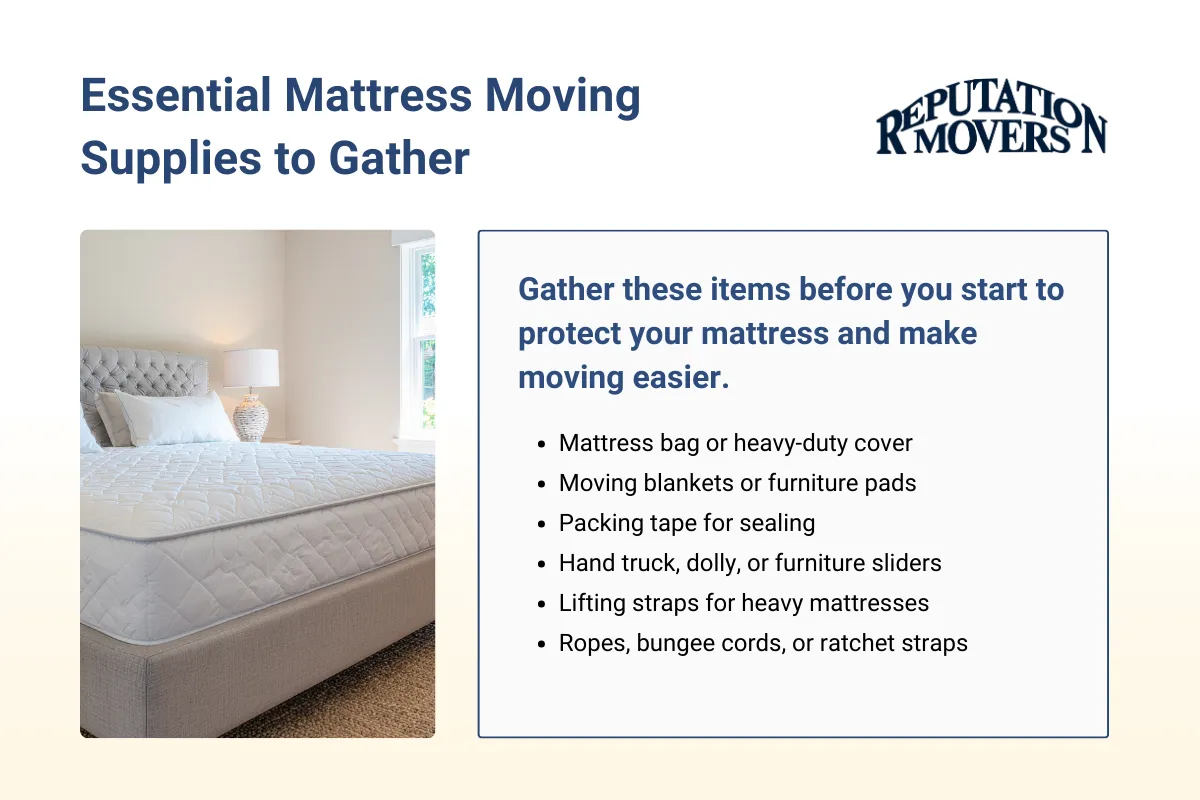
Before you start, gather the right materials. The right supplies will protect your mattress from dirt, moisture, and physical damage during the move. Investing in these items can save you from costly replacements or cleaning fees later.
- Mattress Bag or Mattress Cover: A plastic mattress bag is your first line of defense against dirt and moisture. Standard 2.0 mil polyethylene bags are suitable for most moves, while super heavy-duty 5 mil bags offer extra protection for long-distance or rough moves. Choose a bag that matches your mattress size for the best fit. Zippered and reusable options are available for added convenience from U-Haul.
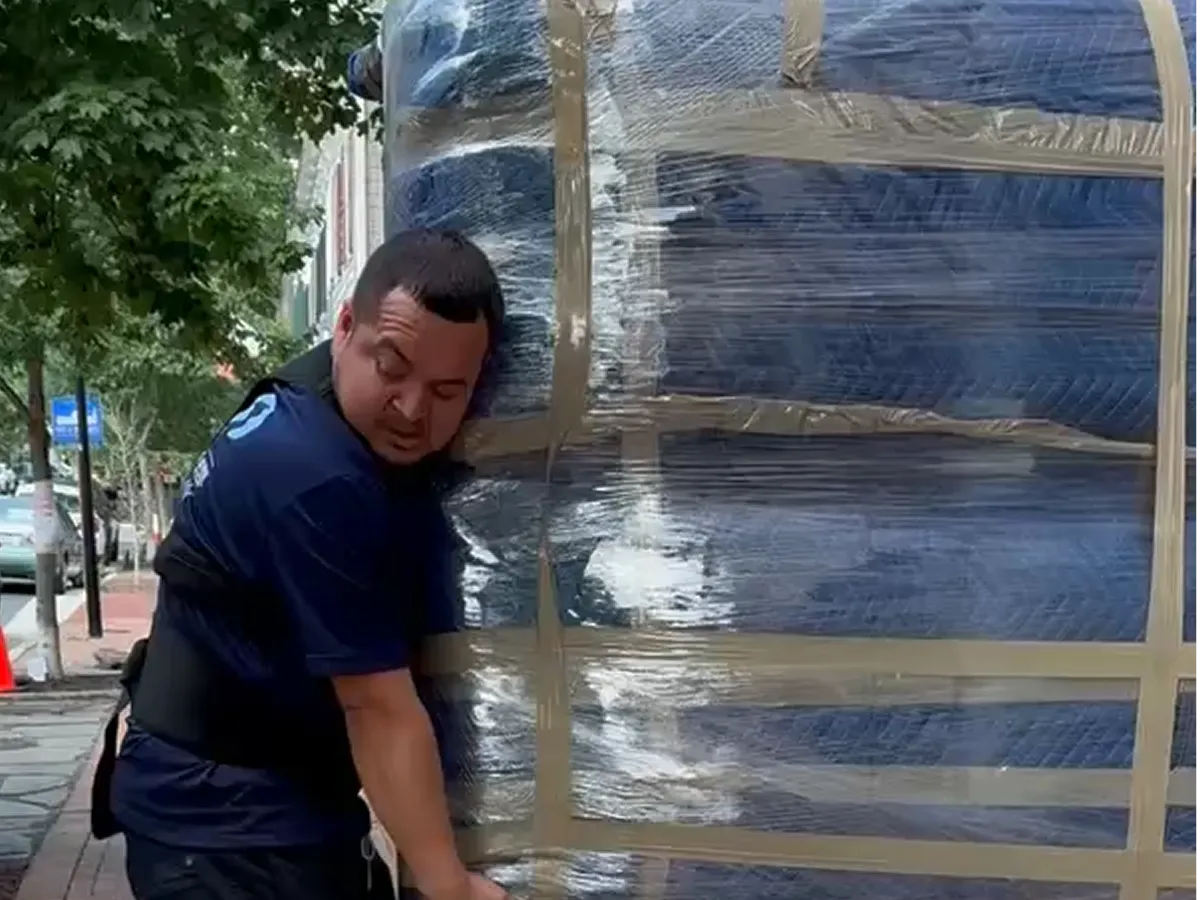
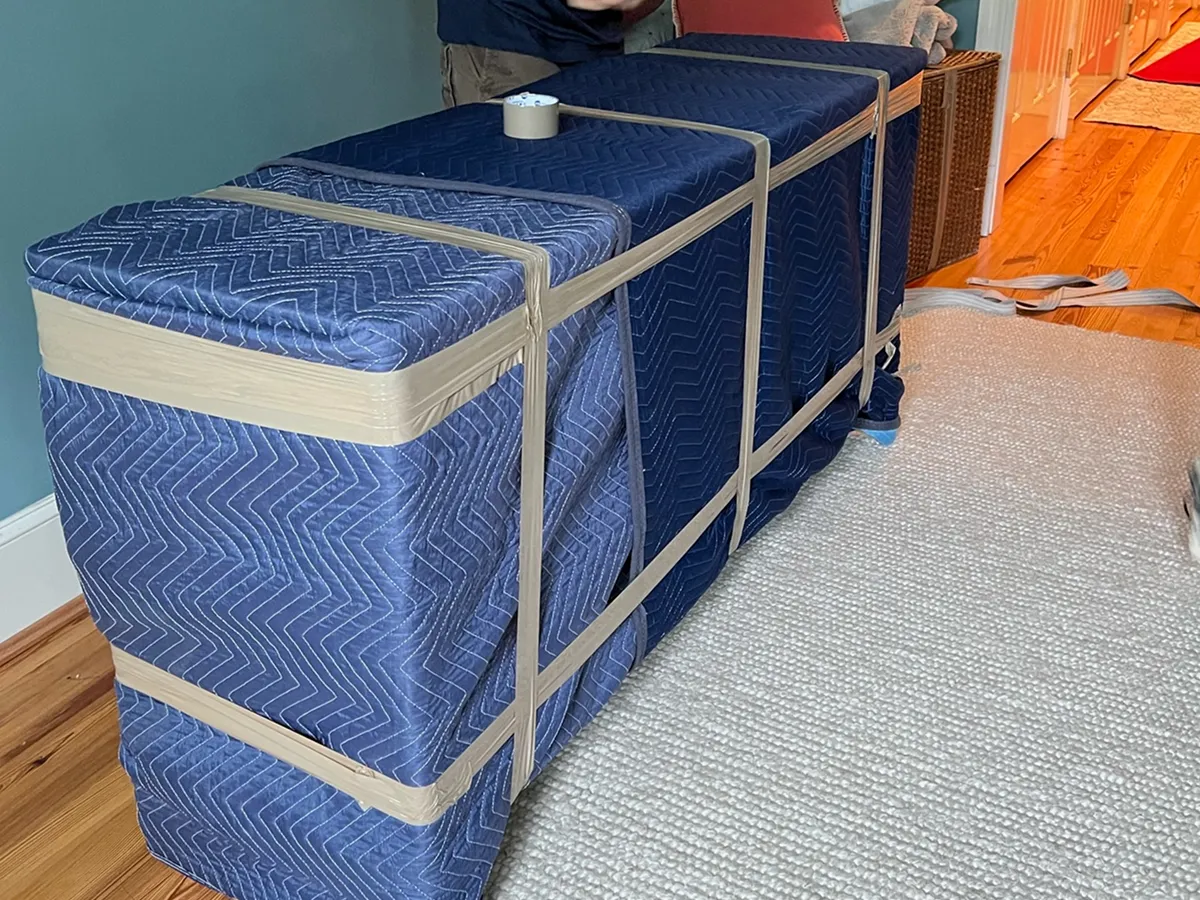
- Moving Blankets or Furniture Pads: These provide cushioning and protect mattress corners and edges from rubbing against truck walls or other furniture as recommended by Penske.
- Packing Tape: Use this to seal the mattress bag and keep out dust and moisture.
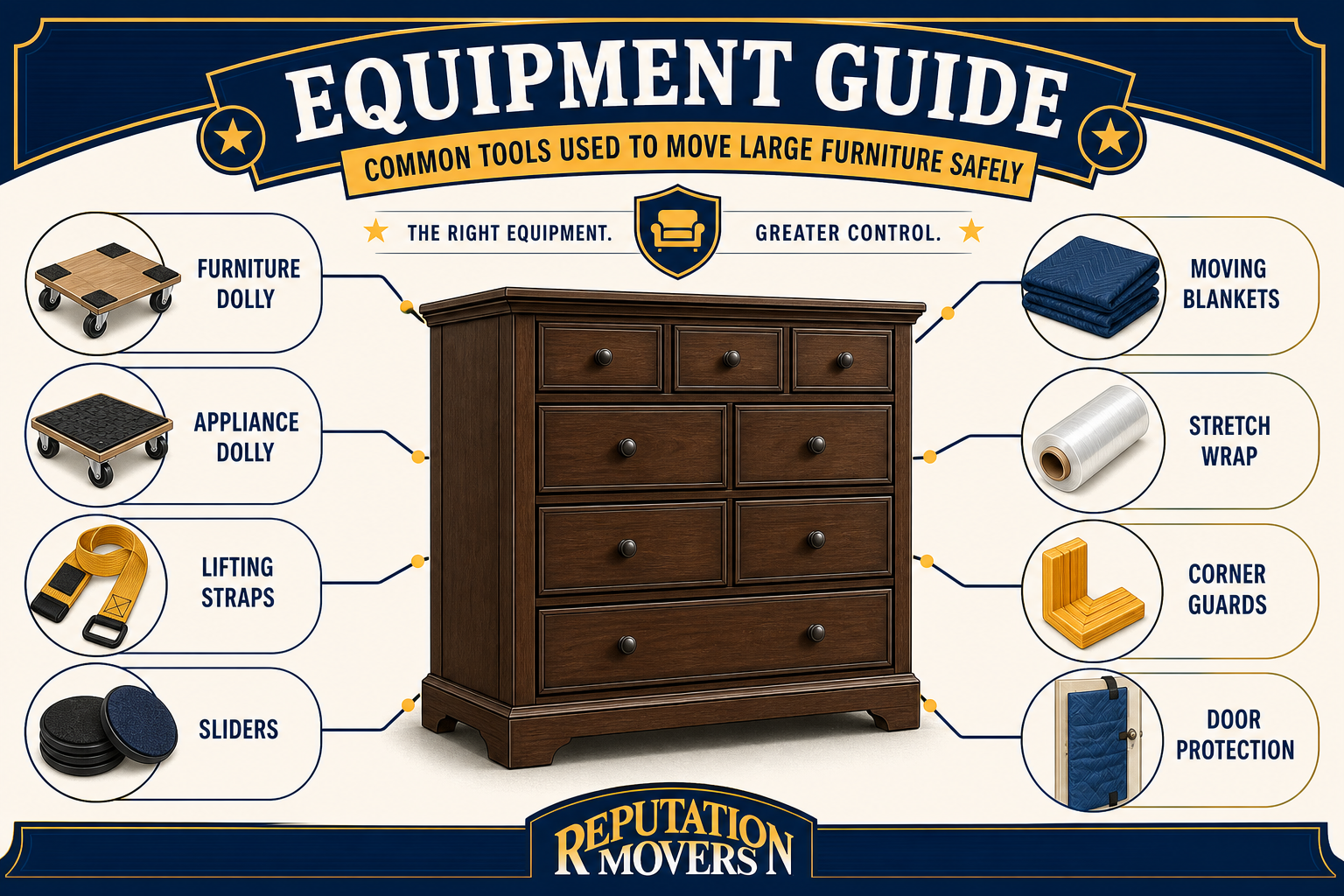
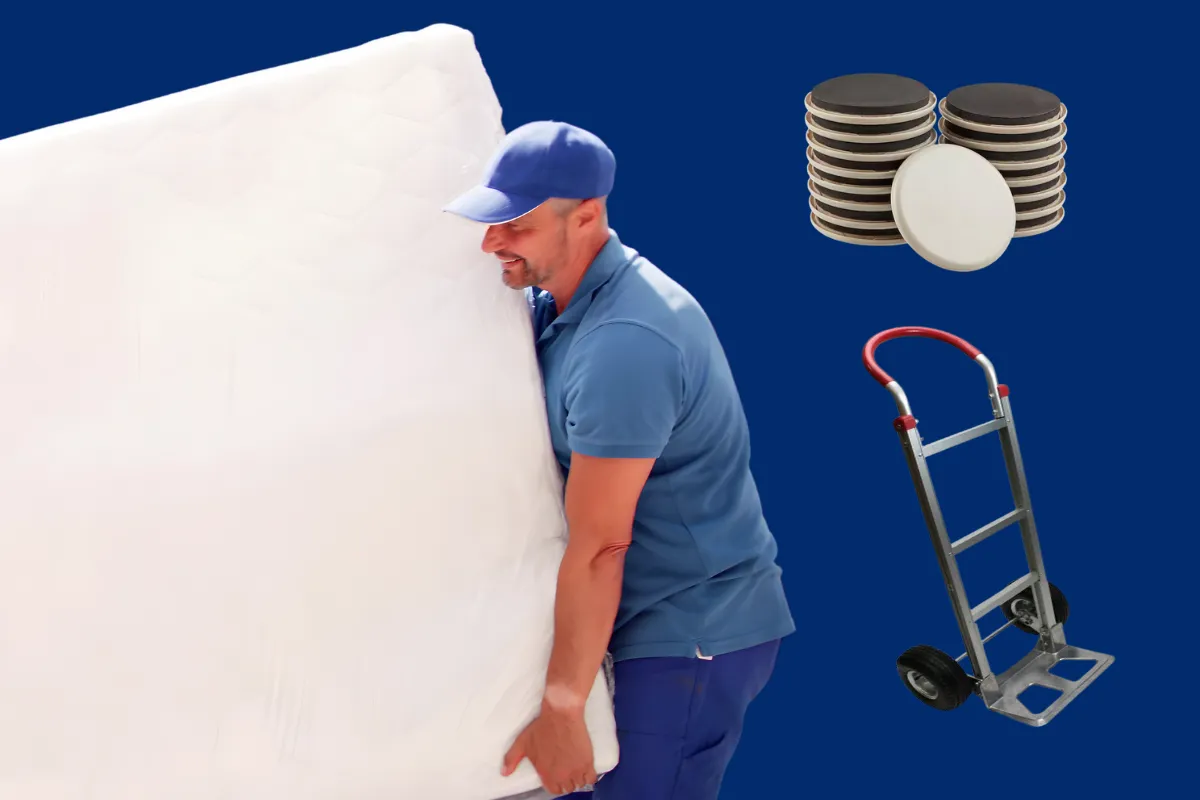
- Hand Truck, Dolly, or Furniture Dolly: These tools reduce physical strain and make it easier to move heavy or floppy mattresses, especially memory foam or hybrid types as seen at Lowe’s.
- Lifting Straps: Shoulder or forearm straps help distribute weight and make carrying large mattresses safer and easier.
- Furniture Sliders: These allow you to slide a mattress across floors without dragging or tearing the bag.
- Ropes, Bungee Cords, or Ratchet Straps: Use these to secure the mattress inside a truck or on a vehicle roof. Ratchet straps provide the most secure hold for highway travel per Harbor Freight.
Understanding Your Mattress Type
Not all mattresses are created equal. The type and weight of your mattress will influence how you move it and what precautions you should take.
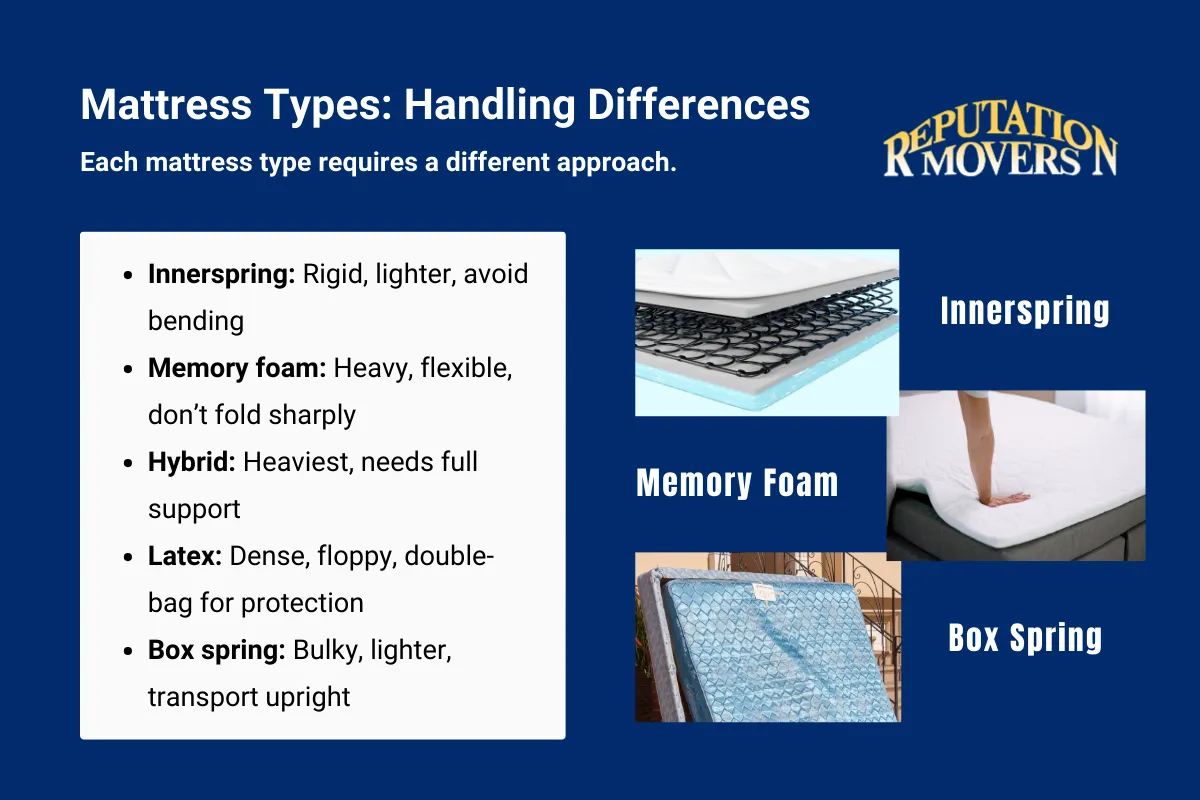
Here’s what to consider for each type:
Innerspring Mattresses: Rigid and Lighter
These are typically more rigid and can be carried on edge by two people. Avoid aggressive bending to protect the coils. They are often lighter than memory foam or hybrid mattresses of the same size.
Memory Foam Mattresses: Heavy and Flexible
Memory foam mattresses are heavier and more flexible, making them awkward to carry. Avoid folding them sharply, as this can damage the foam. Use lifting straps or a dolly to prevent sagging and injury.
Hybrid Mattresses: Heaviest and Most Delicate
Combining foam and coils, hybrid mattresses are among the heaviest. They require support and should not be aggressively folded. Use both a mattress bag and straps or a dolly for queen and king sizes.
Latex Mattresses: Dense and Floppy
Latex mattresses are very heavy and flexible. Move them with at least two people and consider double-bagging to prevent tears.
Box Springs and Foundations: Bulky but Lighter
Box springs are rigid and lighter but still bulky. Transport them upright on their side for space efficiency and use a separate mattress bag for full protection.
Step-by-Step: Preparing and Bagging Your Mattress
Preparation is key to a smooth move. Follow these steps to ensure your mattress is protected and ready for transport:
- Clear a Path: Remove obstacles from hallways, stairs, and doorways. Measure narrow spaces to anticipate tight turns, especially with queen or king mattresses.
- Strip All Bedding: Remove sheets, blankets, toppers, and bed skirts. Pack these separately to keep them clean.
- Pre-Position the Mattress Bag: Lay the bag flat on the floor near the bed. For tight spaces, slide one end of the mattress into the bag first and work the plastic along the length. Choose a bag size that matches your mattress for the best fit as detailed by Walmart.
- Insert the Mattress into the Bag: Stand the mattress on its side and slide the bag up from the bottom, or lay the mattress flat onto the bag and pull the plastic around it. For heavy foam or latex, move the mattress onto the bag in stages to avoid tearing.
- Seal the Bag: Fold excess plastic and tape it airtight around the open end to keep out dust and moisture. Heavy-duty zipper or tarp-style bags can be zipped closed for extra security.
- Add Optional Padding: Wrap corners with moving blankets or add furniture pads along surfaces most likely to contact other items in the truck.
Moving the Mattress Out of Your Home
Getting the mattress out of your home is often the trickiest part, especially in tight spaces or on stairs. The right technique and tools can prevent injury and damage.

Two-Person Carry: Teamwork and Safety
Stand the mattress on its side, with each person gripping a side near the top and bottom. For stairs, carry it at a slight angle, higher end first when going up, lower end first when going down. Lifting straps can reduce arm and back strain.
Using a Dolly or Hand Truck: Efficiency and Control
Stand the bagged mattress on edge and center it on the dolly platform. Secure it with straps or bungees to prevent tipping. Use ramps to roll the dolly up into the truck instead of lifting.
Furniture Sliders: Protecting Floors and Easing Movement
Place sliders under the corners or long edge of a bagged mattress on hard floors or carpet. Slide gently to avoid tearing the bag. Sliders are especially helpful in small rooms where turning is difficult.
How to Load and Pack a Mattress in Different Vehicles
Loading your mattress correctly in your vehicle is crucial for both safety and protection. The best method depends on the type of vehicle you’re using.
Inside an Enclosed Moving Truck: Upright and Secured
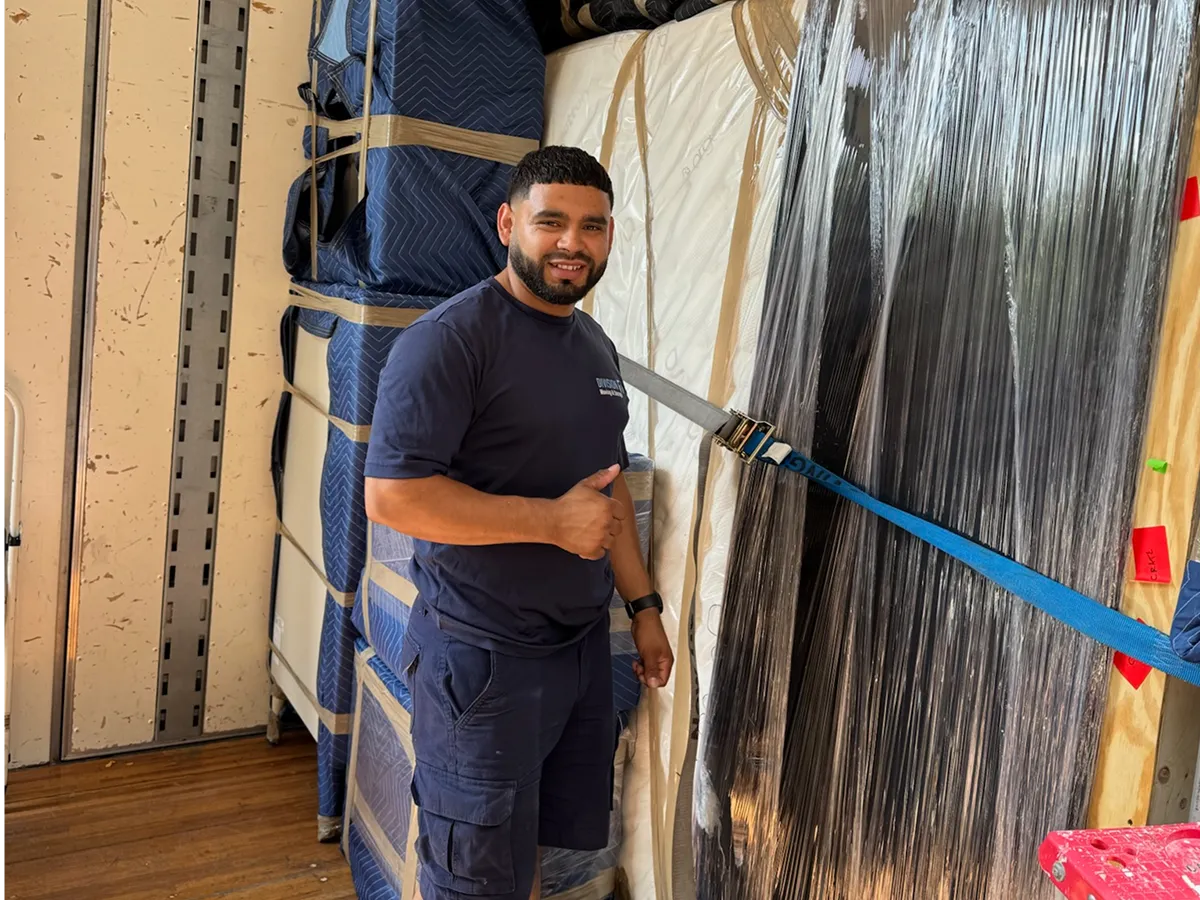
Place the mattress upright on its side along a truck wall to save floor space. Secure it to the wall or anchor points using ropes, bungee cords, or ratchet straps. Attach straps at multiple points to prevent the mattress from bowing or falling. Use other furniture as bracing and insert moving blankets between the mattress and furniture to prevent scuffing. If space allows, you can lay the mattress flat on a platform of sturdy items, but avoid placing heavy items on top.
In an Open Pickup Truck Bed: Weather and Wind Precautions
Use a sealed mattress bag to protect against road spray and dust. For long trips, consider a heavy-duty or tarp-style bag. Lay the mattress flat in the bed if possible, or stand it on its side against the cab. Secure it with ratchet straps or ropes at the head, foot, and middle. Avoid relying solely on bungee cords for highway speeds. Minimize exposed surface area to reduce wind risk and check straps periodically on long drives.
Tying a Mattress Down: Roof Racks and Trailers
If you must tie a mattress to a car roof, use heavy-duty ropes or ratchet straps rated for the load. Loop straps through roof racks or factory tie-down points, or through car doors if no racks are available. Run straps at the front, rear, and across the middle in a belt configuration. After strapping, tug the mattress in all directions to check stability and re-tighten as needed during the trip.
Packing Strategy: Maximizing Space and Protecting Your Mattress
Efficient packing not only saves space but also protects your mattress and other belongings. Here’s how to optimize your moving truck or storage unit:
- Load Heavy Items First: Place heavy furniture and appliances on the floor or at the front of the truck bed. Mattresses should not bear the weight of heavy items on top.
- Create Smooth Surfaces: Use furniture and box stacks to create walls or platforms for the mattress to rest against or on top of. Add moving blankets to fill gaps and prevent shifting.
- Prevent Rubbing and Punctures: Place moving blankets or furniture pads anywhere hard corners of furniture contact the mattress surface. In open beds, keep the mattress away from sharp metal edges and tools. Thicker bags (up to 5 mil) are more puncture resistant.
- Maintain Proper Orientation: For foam, hybrid, and latex mattresses, avoid long-term sharp bends or kinks. Short-term vertical storage on edge is generally fine if fully supported and strapped.
After the Move: Unpacking and Short-Term Storage
Once you arrive at your new home, take a few extra steps to ensure your mattress is ready for use:
- Inspect the Mattress: Check the bag for tears and the mattress for stains or moisture before placing it on the new bed frame.
- Allow Airing Time: Let the mattress air out, especially if it encountered temperature or humidity changes during the move.
- For Storage: Leave mattresses in mattress bags to protect from dust and moisture. Store flat on a clean platform or upright against a wall with even support along the entire length as advised by Extra Space Storage.
Frequently Asked Questions About Moving a Mattress
Can I move a mattress by myself?
While it’s possible to move a twin or full mattress alone using sliders or a dolly, larger mattresses (queen, king, hybrid, or latex) are best moved with two people for safety and to prevent damage.
Is it safe to fold a mattress?
Innerspring and hybrid mattresses should not be folded aggressively, as this can damage the coils. Memory foam and latex mattresses are more flexible but should not be sharply bent for extended periods.
Do I need a special bag for a box spring?
Yes, use a separate mattress bag for your box spring or foundation to ensure full protection during the move.
What if my mattress gets wet during the move?
If your mattress gets wet, remove it from the bag as soon as possible and allow it to air dry completely before use to prevent mold and odors.
Trust Reputation Movers for a Stress-Free Mattress Move
Moving a mattress doesn’t have to be a hassle. With the right supplies, careful planning, and proper technique, you can protect your mattress and make your move easier. If you’d rather leave the heavy lifting to the professionals, Reputation Movers in Alexandria, VA, are here to help. Our team uses industry-standard tools and proven methods to ensure your mattress and all your belongings arrive safely and cleanly at your new home. For expert assistance with local or long-distance moves, contact Reputation Movers today and experience the difference that care and expertise make.




















.webp)

.webp)
.webp)
.webp)


.webp)
.webp)











.webp)

.webp)


.png)