.webp)
.svg)
A mattress is one of the easiest household items to underestimate during a move. It looks sturdy, but it is large, fabric-covered, absorbent, and awkward to carry. Without the right protection, it can pick up dirt from truck floors, snag on stair rails, absorb moisture, or become difficult to use safely when it arrives.
The best way to pack a mattress for moving is to clean and dry it first, place it in a correctly sized mattress bag, seal the bag tightly, and handle it with a plan for stairs, truck loading, and storage. For long-distance moves, moisture control becomes especially important because the mattress may spend days in a truck, warehouse, or storage unit before it reaches the bedroom.
At Reputation Movers, we help homeowners and renters in Alexandria, Northern Virginia, and the greater DMV area plan moves with practical protection in mind, including packing, long-distance moving, and short-term or long-term storage. If you have questions while planning your move, you can contact us for guidance before move day.
Mattress bags protect against the biggest moving risks
A mattress bag is a durable plastic encasement made to protect a mattress from dirt, dust, moisture, and physical damage during transport and storage. Moving and storage guidance commonly treats mattress bags as an essential layer of protection rather than an optional add-on, especially when a mattress will be handled through stairwells, loaded into a truck, or placed in storage.

The value of the bag is simple: it creates a barrier between the mattress fabric and everything else in the moving environment. That matters because mattresses have large fabric surfaces that can absorb grime, allergens, humidity, and spills. Once a mattress is stained, damp, or contaminated, the damage may not be easy to reverse.
Mattress bags are especially useful because they help manage several risks at once. They are not just for keeping a mattress “clean enough.” They reduce the chance that a usable mattress becomes a replacement expense after the move.
They keep dust, mud, oils, and allergens away from the mattress surface.
They reduce contact with truck floors, walls, elevators, stair rails, and other furniture.
They help prevent fabric snags, scuffs, and minor punctures during handling.
They provide a moisture barrier during rain, snow, truck condensation, or storage humidity.
They make it easier to document that the mattress was protected before transit.
A mattress bag works best when it fully covers the mattress and is sealed tightly. Even small gaps can let in dust, pests, or moisture during a long-distance move. The bag is a low-cost form of risk management for an item that can cost hundreds or thousands of dollars to replace.
Choose a mattress bag with the right size, thickness, and closure
The right mattress bag should fit the mattress size and be durable enough for the move. Bags that are too small can strain seams. Bags that are too large can bunch, snag, and become harder to seal.

Most mattress bags are made from polyethylene plastic, which is flexible, tear-resistant, and useful as a moisture barrier. Guidance on mattress bag material and durability often distinguishes between light-duty, heavy-duty, and extra-heavy options based on plastic thickness.
Heavy-duty bags are usually the safer choice for household moves
Topic Details How thickness is measured
Plastic thickness is measured in mils, and 1 mil equals 0.001 inch.
Light-duty bags
Bags in the 1 to 2 mil range can work well for short, low-risk moves when the mattress will be handled carefully.
Best choice for most household moves
For most household moves, a thicker 3 to 4 mil bag is usually the better option because it offers stronger resistance to tearing and abrasion.
When thicker protection makes sense
If you are moving a high-value mattress, planning a long-distance move, or dealing with stairs and storage, choosing thicker protection is often easier to justify.
Extra-heavy bags
Extra-heavy bags, including some 5 to 6 mil options, are made for rougher handling and repeated use.
Why thickness matters
In general, the thicker the plastic film, the less likely it is that a small scrape will turn into an opening that lets in dirt or moisture.
A tight seal matters as much as the plastic itself
The closure determines how well the bag works in real conditions. Some bags are open-ended and sealed with heavy-duty tape. Others use self-adhesive flaps. Zippered encasements are more common for ongoing mattress protection, but they must be fully closed and not stressed during handling.
For a moving bag, the goal is full coverage and a reinforced seal. Slide the mattress into the bag, pull the plastic all the way over the corners, then seal the opening with multiple strips of heavy-duty packing tape. Reinforce any seams that appear stressed or likely to rub during loading.
Prepare the mattress before sealing it in plastic
A mattress should be clean and dry before it goes into a bag. Plastic protection is valuable because it keeps outside moisture away, but it can also trap moisture that is already inside. That is why pre-move preparation matters.
Before bagging, vacuum and spot-clean the mattress as needed, then allow it to air dry completely. Moving guidance on how to move a mattress emphasizes drying before wrapping because sealing residual moisture inside plastic can create conditions for mold and mildew.
Take a few photos before packing if the mattress has existing stains, wear, or damage. This creates a record of its condition before the move. It also helps avoid confusion if you notice a mark later and need to determine whether it was pre-existing.
Once the mattress is dry and documented, move it to an open area where two people can work safely. Lay it flat if possible. Slide the bag over the mattress slowly, guiding corners into place rather than pulling hard on one side.
Pack a mattress step by step for local or long-distance moving
The basic packing process is similar for local and long-distance moves, but long-distance moves require more care because the mattress may be handled multiple times. It may be loaded at origin, held in a truck, transferred through a terminal, placed in temporary storage, or unloaded after several days in changing conditions.

A structured process reduces mistakes. The main idea is to protect the mattress before it leaves the bedroom, keep the bag intact during handling, and avoid placing the mattress where moisture or sharp edges can reach it. For long-distance moves, think of the mattress as a sensitive textile item rather than just a bulky object.
Vacuum and spot-clean the mattress, then let it dry completely.
Inspect and photograph its condition before packing.
Choose a correctly sized mattress bag, preferably heavy-duty for most moves.
Slide the mattress into the bag while it is flat, using two people for queen and king sizes.
Seal the open end with heavy-duty packing tape and reinforce seams.
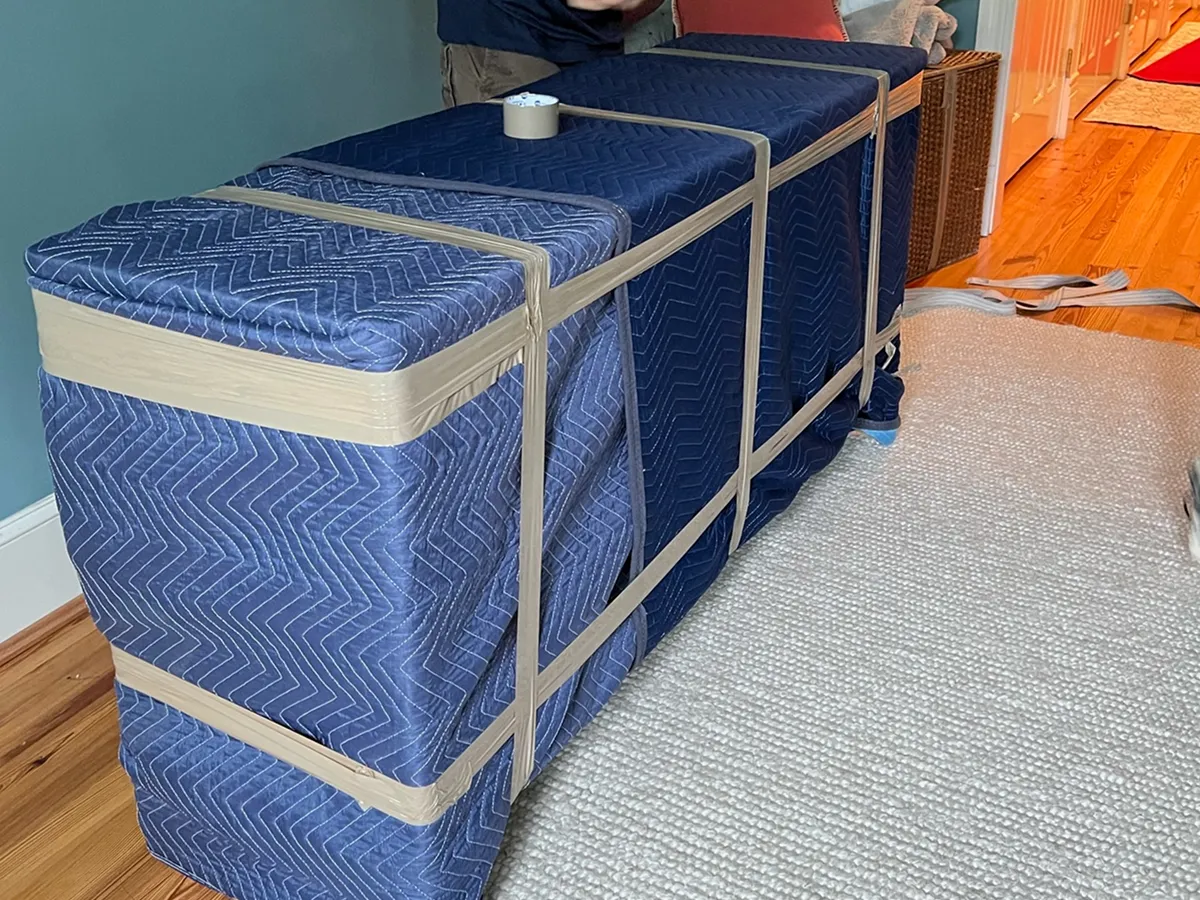
Add moving blankets over the bag for high-value mattresses or tight routes.
Keep the mattress away from sharp furniture edges and items that could leak.
Inspect the bag at destination before removing it.
Allow the mattress to air out for several hours before making the bed.
For customers using professional packing, storage, or long-distance moving support, this is where planning becomes easier. Reputation Movers can help coordinate mattress protection as part of a larger move plan, especially when belongings will travel beyond the local area or spend time in warehouse storage.
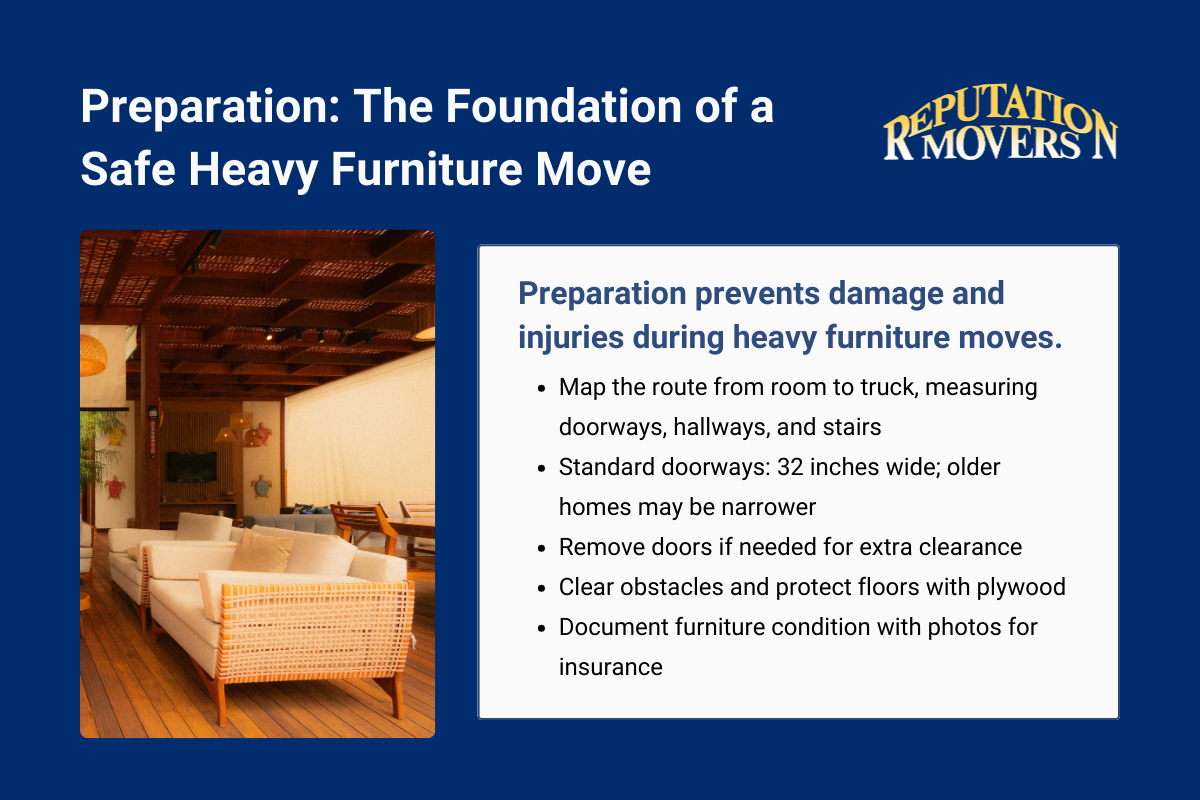
Move queen and king mattresses through stairwells with measurement and teamwork
Queen and king mattresses are challenging on stairs because they are wide, flexible, and difficult to control around corners. The goal is to avoid injury, wall damage, and mattress damage. Most problems come from trying to force the mattress through a clearance issue instead of stopping and changing the angle.
Before lifting, measure the mattress, stair width, landings, and ceiling clearance. If the mattress cannot rotate through a landing or fit under a low ceiling, the issue is geometry, not strength. More force can bend the mattress, tear the bag, damage walls, or create a safety hazard.
Clear the route before the mattress moves
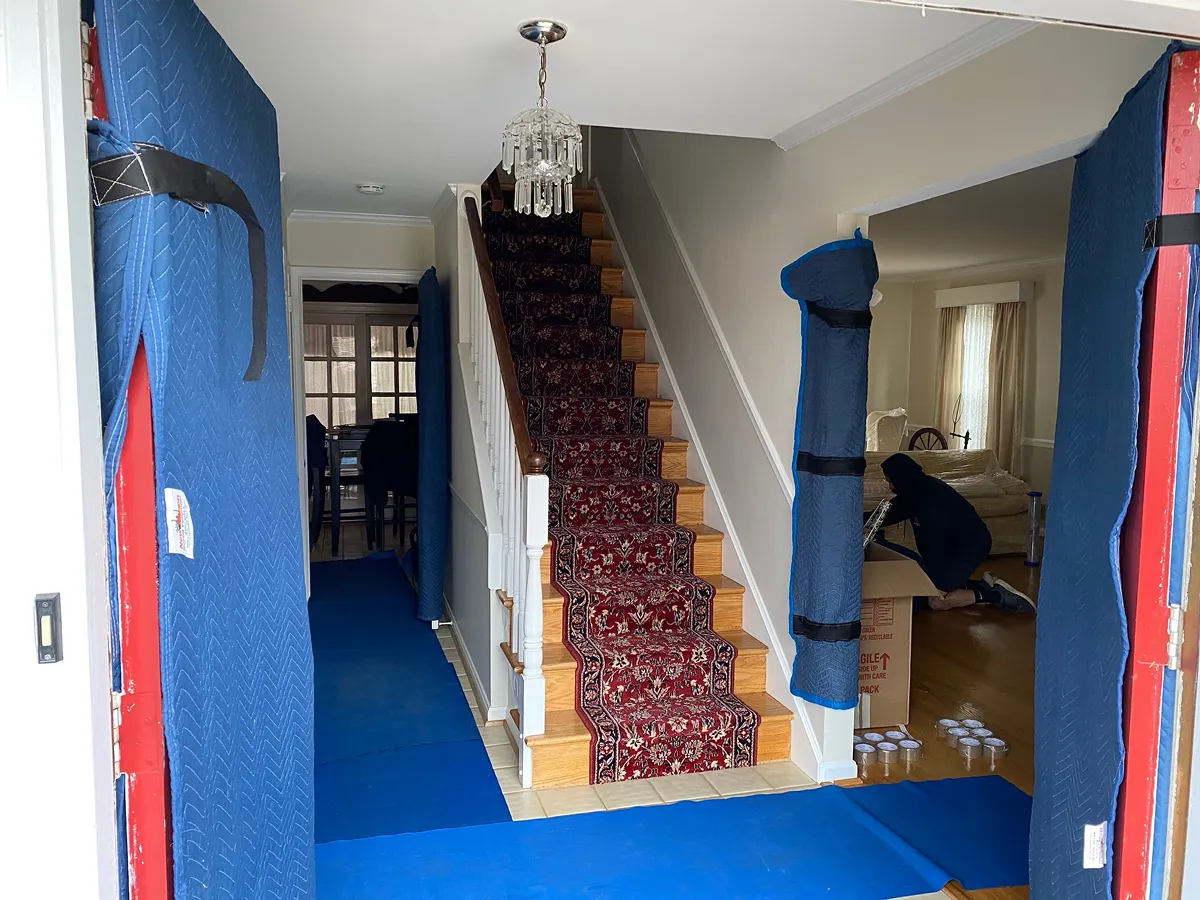
Remove pictures, lamps, rugs, cords, and anything that could catch the bag or create a trip hazard. Check for sharp protrusions along railings and walls. A mattress bag protects the fabric, but it can still tear if dragged hard against a sharp edge.
It also helps to decide where the mattress will pause during the move. Landings, hallway corners, and doorways are natural reset points. Short pauses let the carrying team communicate and prevent sudden twists.
Use controlled movement instead of force
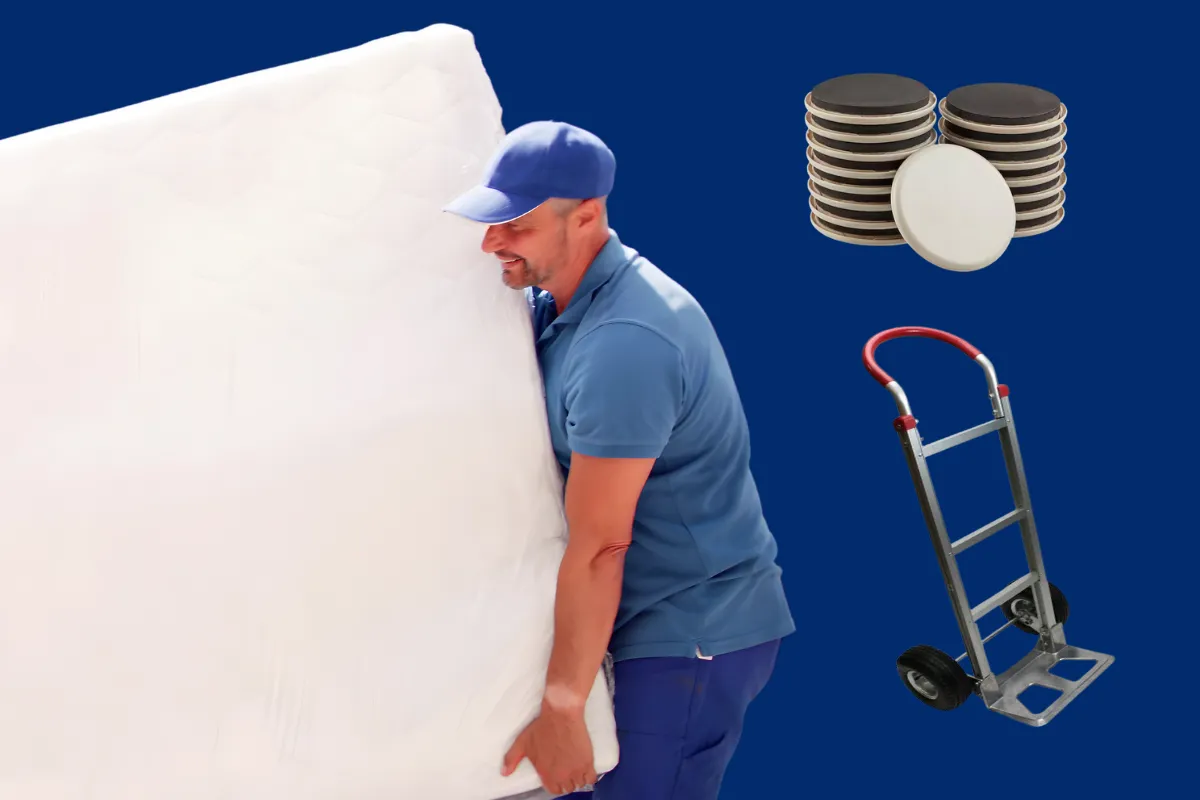
Carry the mattress upright on its side whenever possible. Use at least two people for a queen or king, and consider a third person if the stairwell is tight or if the mattress is heavy and tall. The third person can guide the top edge and watch for pinch points.
A useful handling rhythm is lift, angle, pause, rotate. If the top edge hits the ceiling, adjust the diagonal angle. If a corner catches, stop and rotate a few degrees. If the mattress starts to bind, back up slightly rather than pushing harder.
Use lifting mechanics that favor the legs and core, not the back. Wear closed-toe shoes. Keep hands out of pinch points along door frames, railings, and landings. Sudden jerks and twists are what make a difficult stairwell move more dangerous.
Protect mattresses from moisture in moving trucks
Moisture risk is one of the strongest reasons to use a mattress bag. A moving truck or trailer is a semi-enclosed metal space that can experience temperature and humidity changes. Warm humid air can enter during loading, then cool later, which may lead to condensation on metal surfaces or cargo.
If a mattress rests directly on a damp truck floor without protection, moisture can wick into the fabric and foam. Rain or snow during loading and unloading adds direct water risk. Spills from containers loaded nearby can also create problems if the mattress is unprotected.
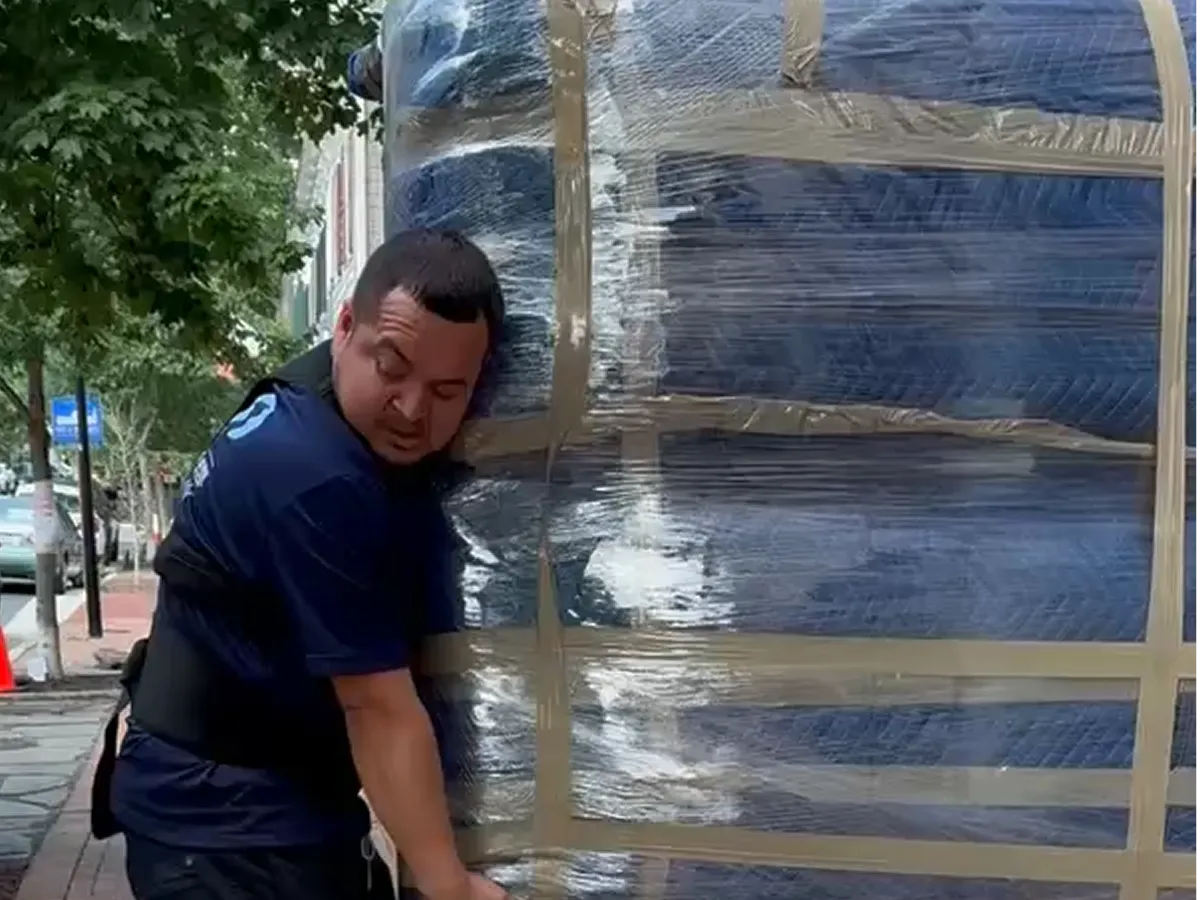
A mattress bag provides the primary barrier, but it should be supported by smart loading choices. The bag should stay intact, the mattress should be kept away from liquids, and the loading position should reduce contact with damp surfaces. These steps are especially important for long-distance moves because the mattress may remain packed for days before inspection.
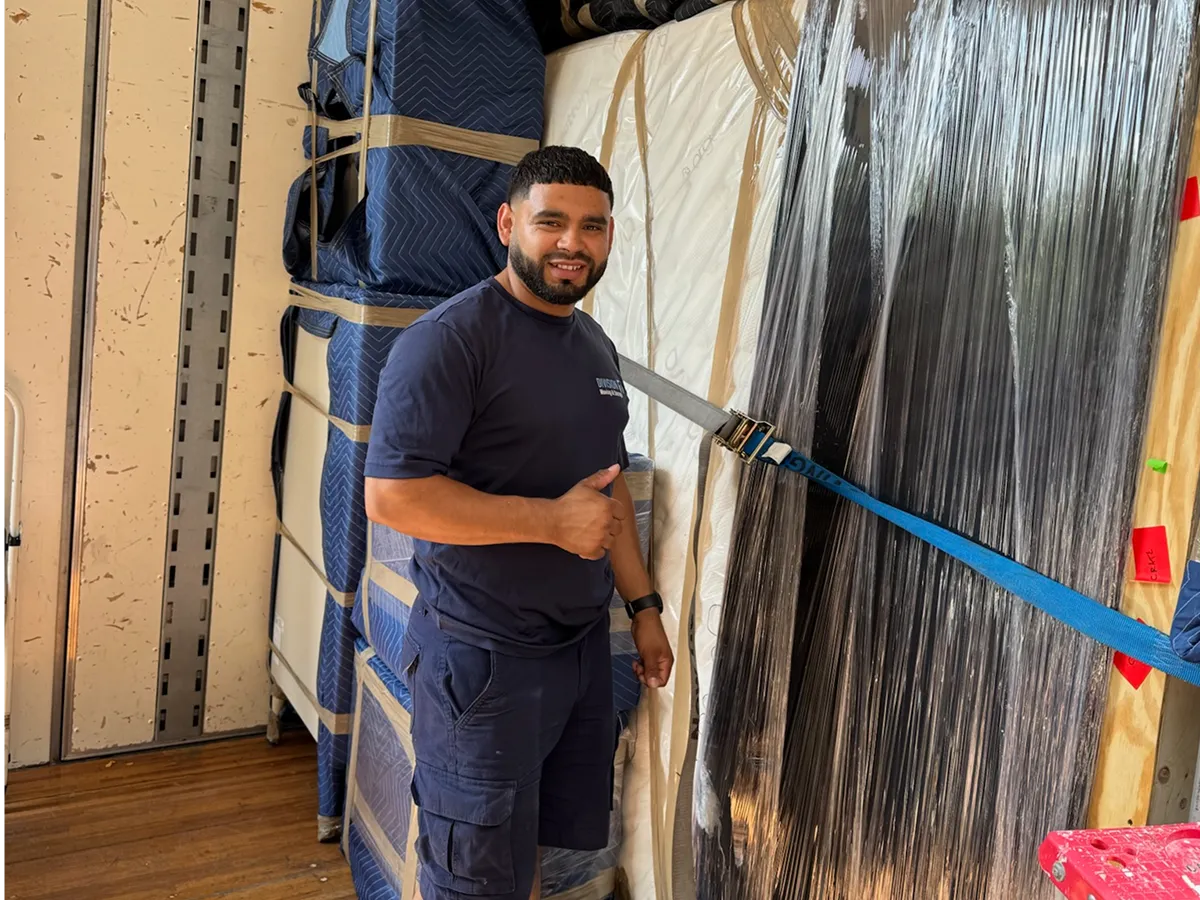
Stand the mattress upright along a truck wall when feasible.
Secure it with straps so it does not shift and rub through the bag.
Avoid placing heavy boxes on top of a flat mattress.
Keep the mattress away from cleaners, paints, or other items that could leak.
Use dry barriers if floor contact cannot be avoided.
Add moving blankets over the bag for cushioning and puncture resistance.
Use extra plastic covering or tarps when loading in rain or snow.
Moisture exposure is not just a cosmetic concern. A damp mattress interior can support mold or mildew, which may lead to odors, health concerns, and material degradation. In many cases, replacing a mold-damaged mattress is more practical than trying to restore it.
Use climate-controlled storage and moisture absorbers when a mattress will be stored
Storage introduces a different kind of risk. A mattress may remain still for weeks or months, often surrounded by other household goods. In non-climate-controlled units, humidity can fluctuate, and condensation may occur during temperature changes.
Storage operators describe moisture issues in units and recommend keeping items dry, using moisture-resistant packing materials, and checking regularly for musty odors, condensation, or visible mold. Guidance on moisture issues in storage units also points to desiccant bags, moisture absorber buckets, and dehumidifiers as ways to reduce humidity.
Climate-controlled storage reduces moisture stress on mattresses
Climate-controlled storage is preferred for high-value or moisture-sensitive items. A mattress fits that category because it contains absorbent materials and has limited internal ventilation. Stable temperature and humidity reduce the chance that moisture conditions will support mold growth.
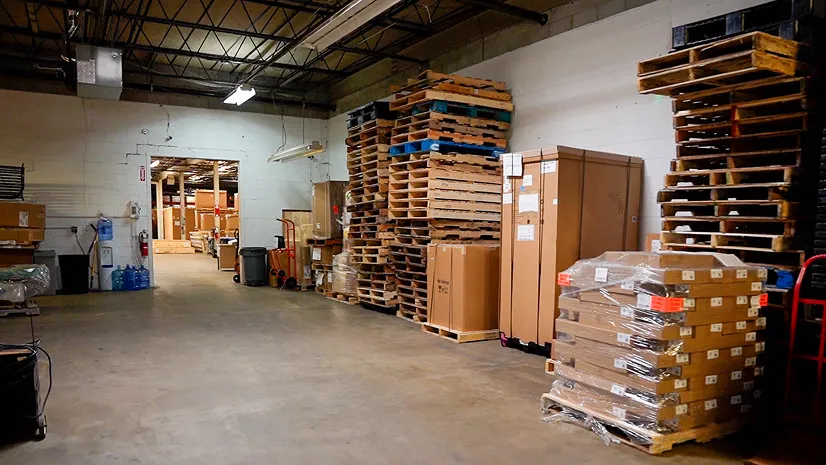
Even in storage, the mattress should remain bagged, sealed, elevated, and separated from exterior walls. Pallets or shelving can raise it above the floor. An air gap near walls helps reduce exposure to cool surfaces where condensation is more likely.
Desiccants help manage humidity but do not replace drying
Desiccants attract and hold water vapor, which can lower relative humidity in an enclosed space. Silica gel packets and desiccant bags adsorb water vapor into their porous structure. Calcium chloride absorbers draw moisture into a liquid brine and need careful placement to avoid spills.
Desiccants work best as part of a layered system. The mattress bag blocks liquid water and dust. Moisture absorbers reduce humidity in the storage unit. Regular inspections catch early signs of condensation, musty odors, or mold.
Desiccants do not fix the mistake of sealing a damp mattress in plastic. They are supplemental protection, not a remedy for trapped moisture. Packets and absorber products also have limits, and once saturated, they stop absorbing moisture. Guidance on how to store desiccant packets notes that unused packets should be kept airtight so they do not saturate before use.
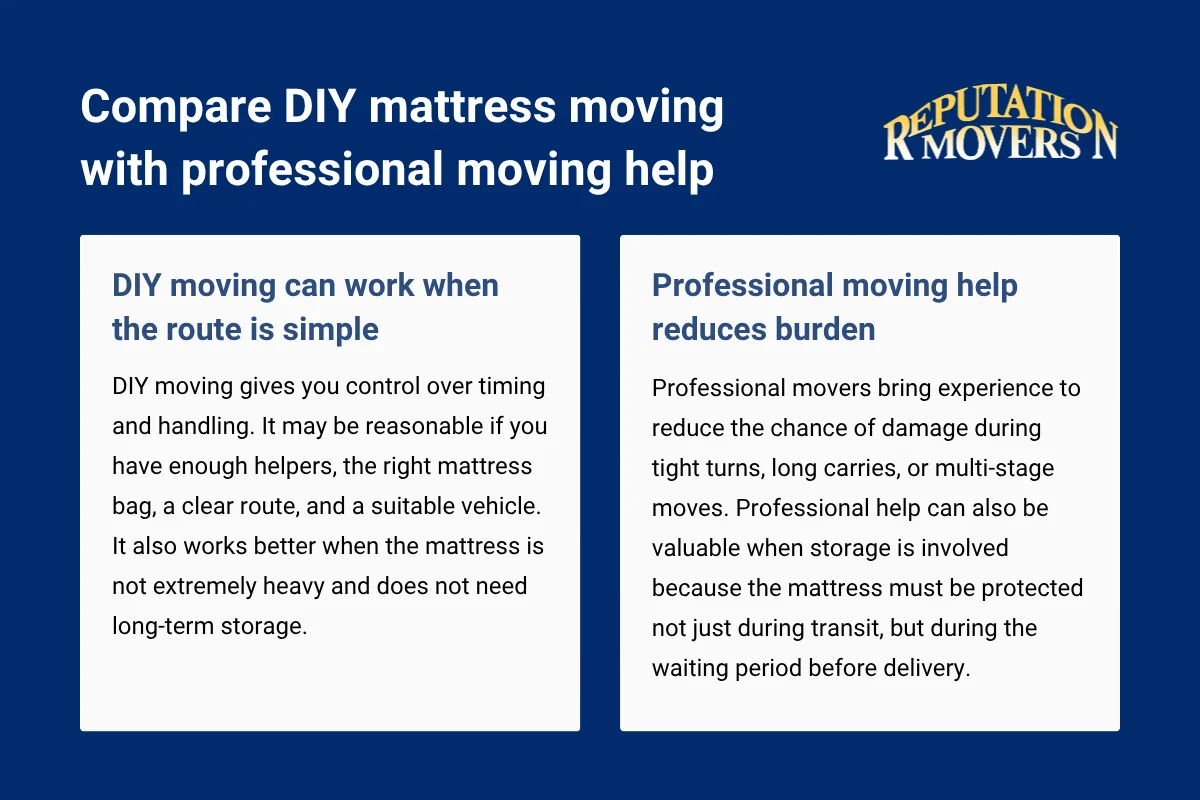
Compare DIY mattress moving with professional moving help
There is no single right answer for every mattress move. A DIY approach can work well when the move is local, the mattress is manageable, the stair route is simple, and the mattress is already being moved with other household goods. Professional help becomes more valuable when the mattress is large, the access is difficult, or the move is long-distance.
The practical choice depends on risk, not pride. A queen mattress in a clear apartment hallway is different from a king mattress going down tight stairs, into a truck, across several states, and into storage. The more transition points involved, the more important planning and protective materials become.
DIY moving can work when the route is simple
DIY moving gives you control over timing and handling. It may be reasonable if you have enough helpers, the right mattress bag, a clear route, and a suitable vehicle. It also works better when the mattress is not extremely heavy and does not need long-term storage.
The drawbacks are physical strain, stairwell risk, and inconsistent protection. A mattress can be awkward even for strong people because it flexes and blocks visibility. If the mattress drags, bends, or gets wet, the savings can disappear quickly.
Professional moving help reduces handling and planning burden
Professional movers bring experience with stairwells, truck loading, packing materials, and securing bulky items. This can reduce the chance of damage during tight turns, long carries, or multi-stage moves. Professional help can also be valuable when storage is involved because the mattress must be protected not just during transit, but during the waiting period before delivery.
The tradeoff is cost. If the mattress is old or low-value, paying to protect and transport it may not be the best use of the moving budget. That is why the replace-versus-move decision should come before move day, not after the truck is already being loaded.
Decide whether to move or replace the mattress before packing it
Moving a mattress is worthwhile when the mattress is relatively new, comfortable, high-quality, and a good fit for the next bedroom. Replacing it may make more sense when it is sagging, stained, noisy, near the end of its useful life, or expensive to transport relative to its value.
The decision becomes more important for long-distance moves. Long-distance relocation adds truck space, handling, storage risk, and a higher chance of moisture or damage exposure. A mattress that is worth moving locally may not be worth moving across a long route if replacement is already likely soon.
A practical cost comparison should include more than the purchase price of a new mattress. Think in terms of moving cost plus protection, handling, truck space, storage, and damage risk versus replacement cost plus disposal or recycling effort. If the cost and risk of moving are close to replacement cost, replacement often becomes the stronger choice.
Move the mattress when its value clearly justifies the effort
A mattress is usually a good candidate for moving if it is clean, comfortable, and still performing well. A newer queen mattress in good condition, especially on a local move or a well-planned long-distance move, may be worth protecting carefully and transporting.
Premium mattresses also deserve a more protective plan. In that case, use a heavy-duty bag, tight sealing, moving blankets, careful loading, and moisture control if storage is involved.
Replace the mattress when condition, cost, or access work against it
Replacement is often the better choice if the mattress is already sagging, stained, uncomfortable, or likely to be upgraded soon. It also becomes more attractive when the move involves tight stairwells, difficult access, dedicated truck space, or long-term storage.
Environmental impact should also be part of the decision. Reuse is usually preferable when the mattress is still in good condition. If replacement is the right choice, responsible recycling or regulated disposal is better than improper dumping. Mattress recycling can recover materials such as springs, foam, textiles, and fibers depending on design and recycler capability, and mattresses are bulky waste items that take up substantial landfill space.
A long-distance mattress packing plan reduces avoidable risk
For a long-distance move, packing a mattress should be treated as a risk-control process. The mattress needs to stay clean, dry, structurally supported, and protected from repeated handling. A bag is the starting point, but the full plan includes drying, sealing, loading, storage conditions, and inspection at delivery.
Start by cleaning and drying the mattress before any plastic is applied. Choose a heavy-duty bag that fits correctly. Seal it tightly, then reinforce areas that may rub or catch during carrying. If the route includes stairs or tight turns, clear the route first and use controlled teamwork.
During truck loading, keep the mattress upright when possible, secure it to prevent shifting, and keep it away from sharp edges and liquids. If storage is part of the move, favor climate-controlled storage, elevate the mattress, leave space from exterior walls, and use appropriate moisture absorbers in the unit.
At delivery, inspect the bag before removing it. If you see tears, dampness, or signs of exposure, check the mattress carefully. Once unwrapped, allow it to air out for several hours before adding bedding.

Get help packing, moving, or storing your mattress the right way
A mattress can arrive clean, dry, and ready to use when it is packed and handled with the right plan. The key steps are straightforward: dry it completely, use a durable mattress bag, seal it well, protect it through stairwells, manage moisture in trucks and storage, and decide early whether moving it still makes financial and practical sense.
If you are planning a local or long-distance move from Northern Virginia and want help with packing, moving, or secure storage, Reputation Movers can help. Get a Quote through our contact page at https://www.reputationmovers.com/contact-us or call (703) 660-6683.



















.webp)

.webp)
.webp)
.webp)

.webp)
.webp)











.webp)

.webp)


.png)