.webp)
.svg)
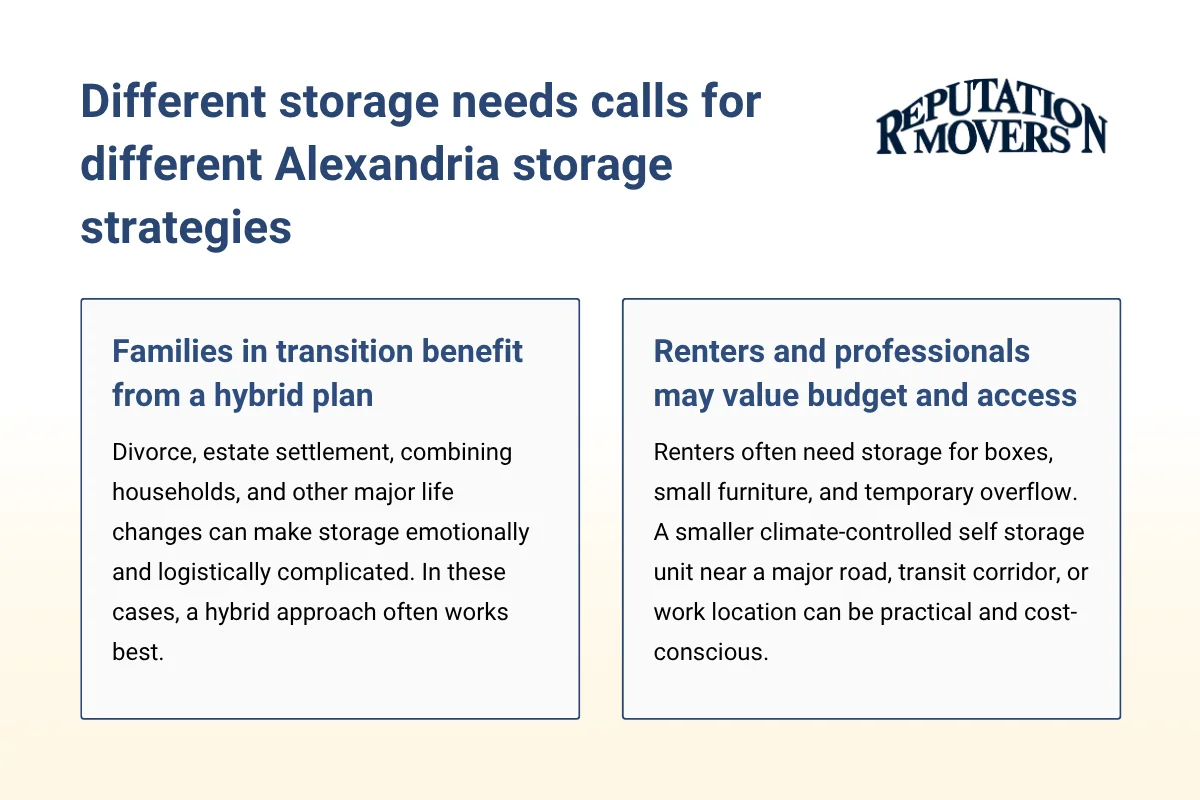
Managing an estate cleanout after the loss of a loved one is a deeply emotional and logistically complex process. For families and executors in Alexandria, VA, understanding the right steps can ease stress, prevent family conflict, and ensure that valuable and sentimental items are handled with care. This guide provides a clear, actionable roadmap for estate cleanouts, from securing important documents to preparing the property for sale or transition.
Serving Alexandria, VA, Reputation Movers combine local expertise with long distance moving experience. If you have any questions at any point in this guide, do not hesitate to contact Reputation Movers.
Why Estate Cleanouts Require Careful Planning
Estate cleanouts are not just about removing items from a property. They involve legal, financial, and emotional considerations that can impact families for years. Executors and family members must balance honoring the deceased’s wishes, complying with state laws, and managing the practicalities of sorting, selling, donating, or disposing of belongings. Without a structured approach, the process can quickly become overwhelming and lead to unnecessary stress or conflict.
Legal and Emotional Stakes Are High
Before any physical work begins, it’s essential to understand the legal responsibilities involved. Executors must follow the will’s instructions, settle debts, and ensure that all actions comply with Virginia law. At the same time, family members are often grieving, making clear communication and sensitivity crucial throughout the process.
First Steps: Securing the Property and Important Documents
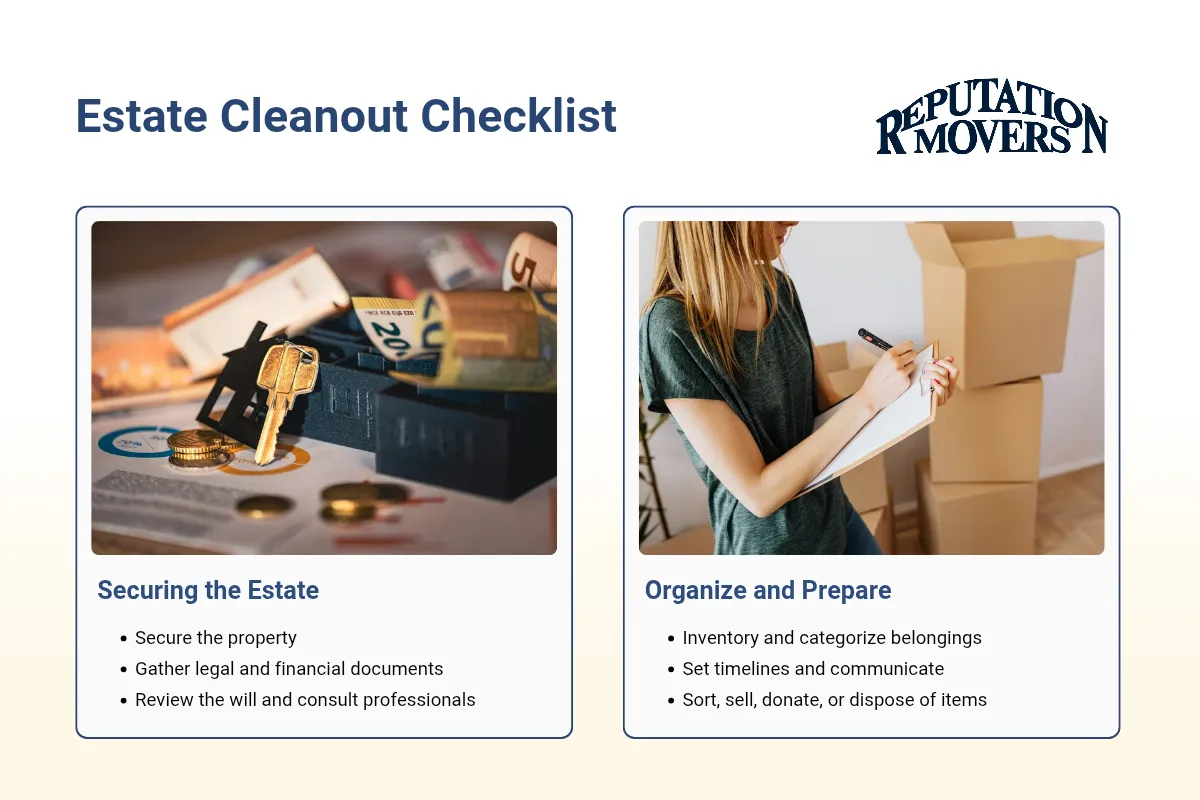
The initial phase of an estate cleanout should focus on security and documentation. This protects both the estate’s assets and the interests of all beneficiaries. Begin by securing the home to prevent unauthorized access and potential loss of valuables. Next, gather all critical documents, which may be needed for legal, financial, or tax purposes.
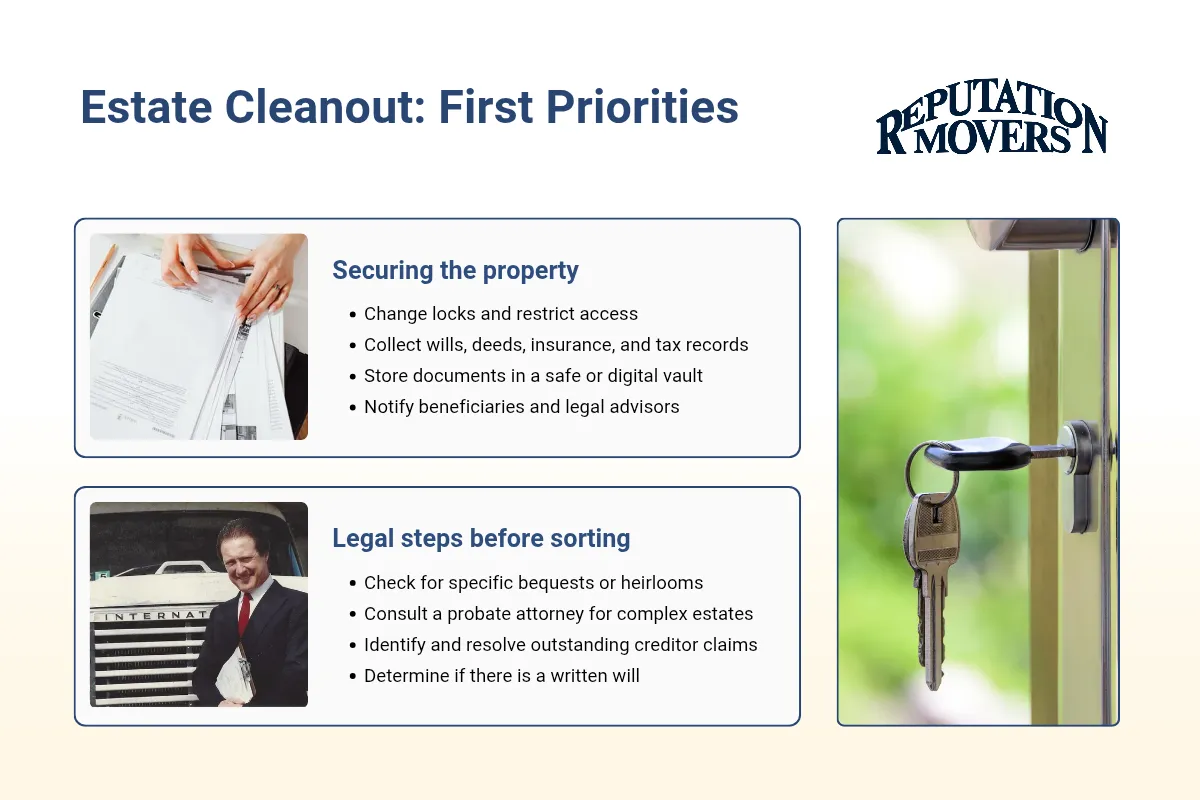
- Lock all doors and windows, and consider changing locks if necessary.
- Collect key documents such as wills, insurance policies, property deeds, tax returns, and financial account information. Store these in a safe or digital vault for easy access and protection.
- Notify beneficiaries and coordinate with attorneys or accountants as needed.
Understanding the Will and Legal Requirements
Before distributing or removing any items, carefully review the will for specific instructions regarding heirlooms, valuables, or property distribution. Some wills are complex and may require the guidance of a probate attorney. Executors should also identify and settle any outstanding debts or creditor claims before assets are distributed to beneficiaries.
Consulting Professionals for Legal and Financial Guidance
Consulting with legal and financial professionals ensures compliance with state laws and helps avoid costly mistakes. This is especially important when dealing with high-value items, tax implications, or potential disputes among heirs.
Creating an Inventory and Categorizing Belongings
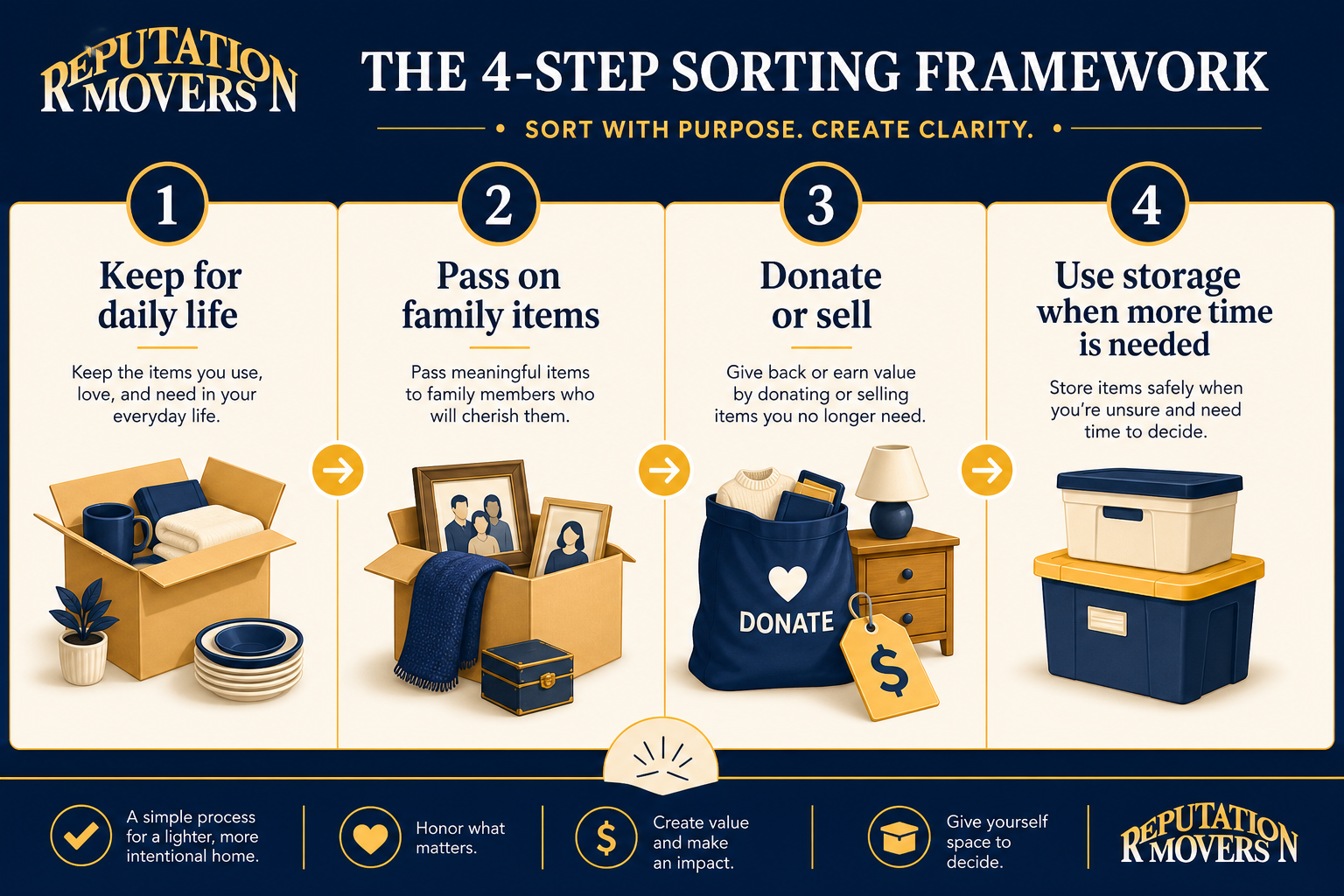
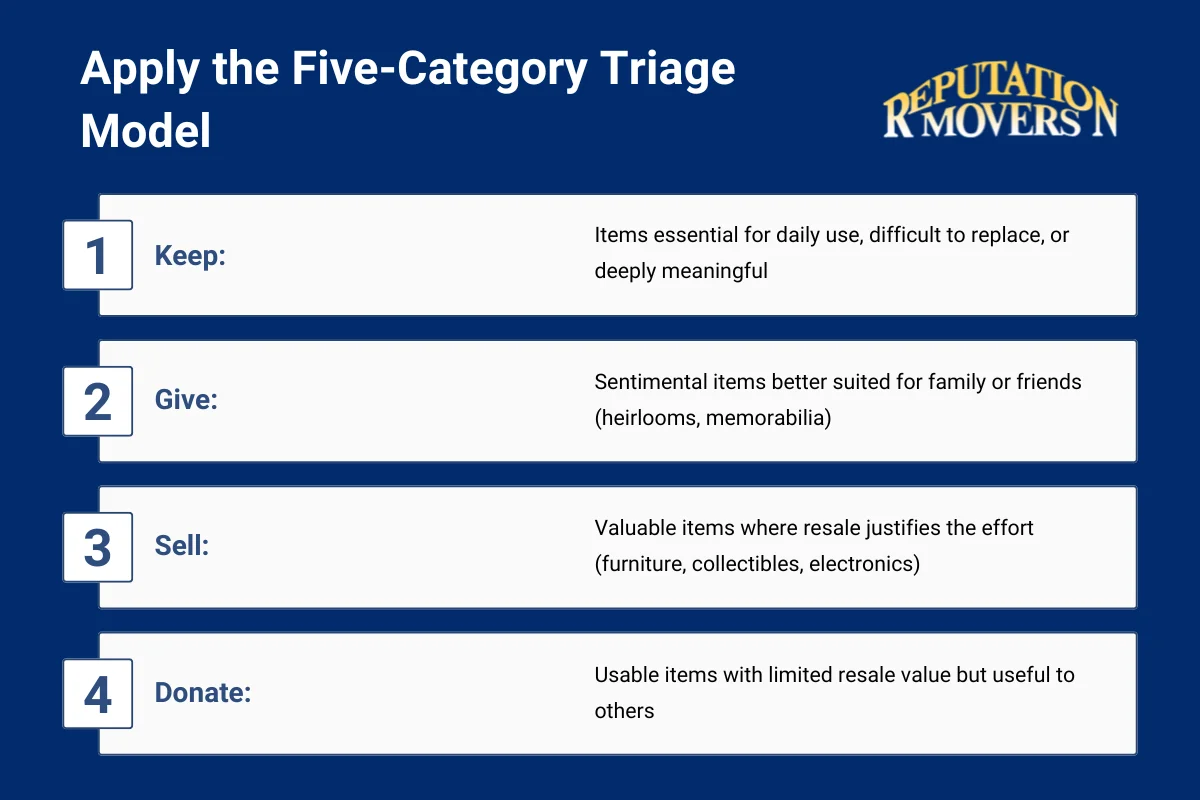
Once legal matters are addressed, the next step is to create a detailed inventory of the estate’s contents. This inventory serves as a roadmap for sorting and decision-making, and can help prevent misunderstandings among family members. Categorize items into clear groups to streamline the process and ensure nothing is overlooked.
- To Keep: Sentimental items and everyday belongings that family members wish to retain.
- To Sell: Items with market value in excellent condition, such as antiques, jewelry, or collectibles.
- To Donate: Usable items that can benefit charities, especially those aligned with the deceased’s values.
- To Dispose: Broken, damaged, or unwanted items that cannot be sold or donated.
- To Store: Important documents or heirlooms that require secure, long-term storage.
Setting Timelines and Managing Family Expectations
Estate cleanouts can be emotionally charged, especially when multiple family members are involved. Setting clear timelines and communicating expectations early helps prevent misunderstandings and ensures the process moves forward efficiently. Inform all stakeholders of key dates for removing bequeathed items or mementos, and allow time for everyone to participate in decision-making.
Open Communication Prevents Conflict
Regular updates and transparent sorting plans help keep everyone on the same page. If tensions arise, consider involving a neutral third party, such as a mediator or estate professional, to facilitate discussions and ensure fairness.
Sorting, Donating, Selling, and Disposing of Items
With an inventory and timeline in place, begin the process of sorting through belongings. Prioritize items with sentimental or significant value, and involve beneficiaries in decisions about keepsakes. For items to be sold, consider hiring an estate liquidator or appraiser, especially for high-value collections or antiques. Donating usable items to local charities can honor the deceased’s legacy and benefit the community.
- Hold an estate sale or use consignment shops for items with market value.
- Donate to organizations that reflect the loved one’s values, or give items to friends and family who will appreciate them.
- Dispose of broken or unsalvageable items responsibly, recycling when possible.
Appraisals and Professional Assistance
For valuable items, an appraisal may be necessary to determine fair market value and ensure compliance with IRS requirements. Appraisers can provide a visual inventory, catalog high-value pieces, and offer supporting research for accurate pricing. Estate liquidators are especially helpful when there are large numbers of valuables to sell, as they understand the market and proper selling methods.
Deep Cleaning and Preparing the Property for Sale or Transition
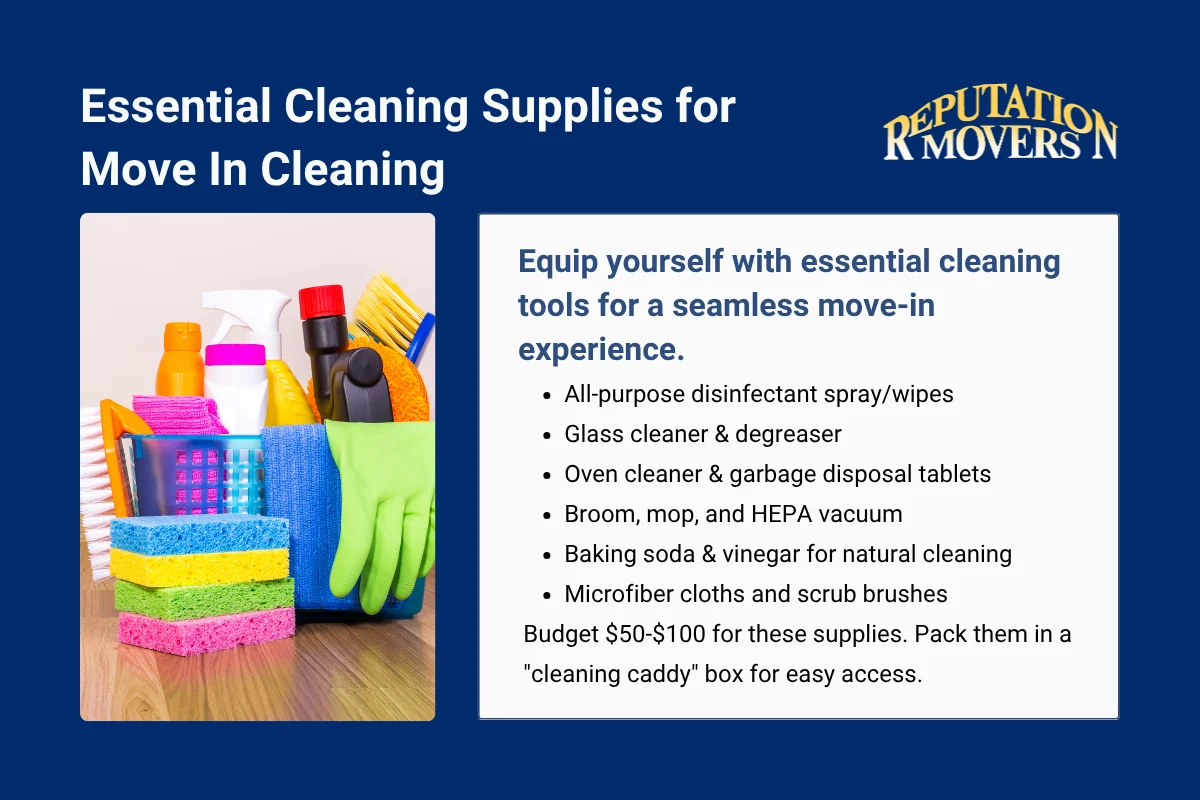
After sorting and removing belongings, the property will likely need a thorough cleaning. This step is essential for presenting the home in its best light, whether it will be sold, rented, or transferred to a new owner. Deep cleaning includes dusting, vacuuming, sanitizing surfaces, and making minor repairs or restorations as needed.
- Remove all debris and unwanted items before cleaning.
- Protect important documents and valuables during the cleaning process.
- Consider hiring professional cleaners for large or particularly challenging properties.
Emotional Considerations and Family Support
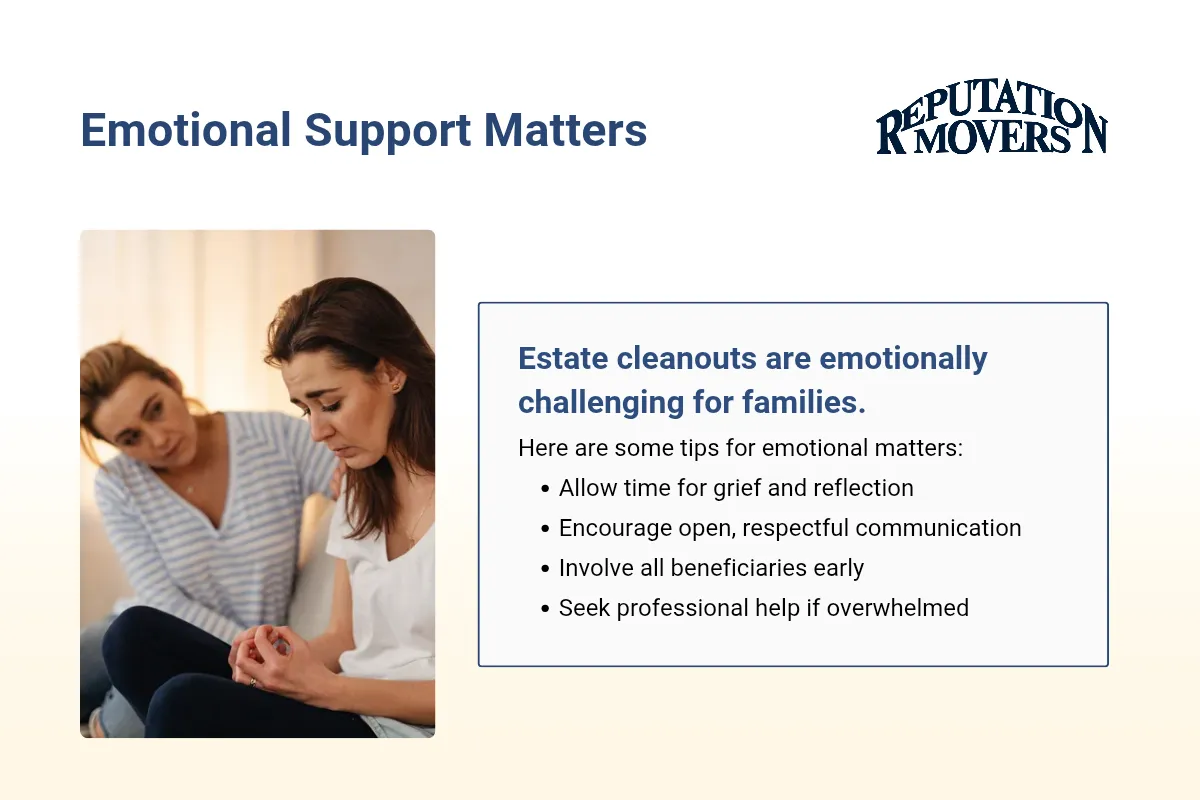
Estate cleanouts are often emotionally taxing, especially when dealing with a loved one’s personal effects. Allow time for grief, and encourage open communication among family members. Involving beneficiaries early and respecting everyone’s feelings can help prevent conflict and ensure a smoother process.
When to Seek Professional Help
If the process becomes overwhelming, don’t hesitate to enlist professional help. Estate cleanout specialists, movers, and cleaning services can handle the heavy lifting, deep cleaning, and logistics, allowing families to focus on what matters most, honoring their loved one’s memory.
How Reputation Movers Supports Estate Cleanouts in Alexandria, VA
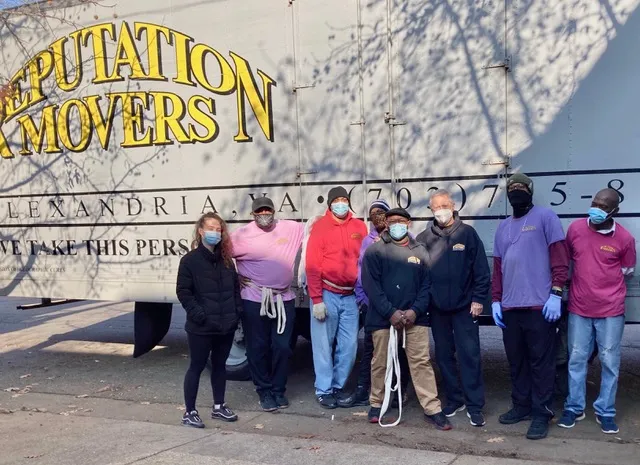
Reputation Movers understands the unique challenges of estate cleanouts. Our team provides sensitive, efficient moving and cleanout services tailored to the needs of families and executors. We handle everything from packing and transporting valuables to coordinating with estate professionals and ensuring the property is left in pristine condition. Our local expertise and commitment to respectful service make us the trusted choice for estate cleanouts in Alexandria, VA.
If you are facing an estate cleanout and need reliable, compassionate support, contact Reputation Movers today. We are here to help you navigate every step of the process with care and professionalism.

















.webp)

.webp)
.webp)
.webp)
.webp)
.webp)











.webp)

.webp)


.png)