.webp)
.svg)
Moving a couch is one of the most challenging parts of any relocation, especially for homeowners and renters in Alexandria, VA. Couches are bulky, heavy, and often need to fit through tight doorways, narrow hallways, or up and down stairs. Without the right preparation and techniques, you risk damaging your furniture, your home, or even injuring yourself. This guide will walk you through every step of how to move a couch safely and efficiently, using proven methods and expert tips.
Serving Alexandria, VA, Reputation Movers combine local expertise with long distance moving experience. If you have any questions at any point in this guide, do not hesitate to contact Reputation Movers.
Measure Everything Before You Move
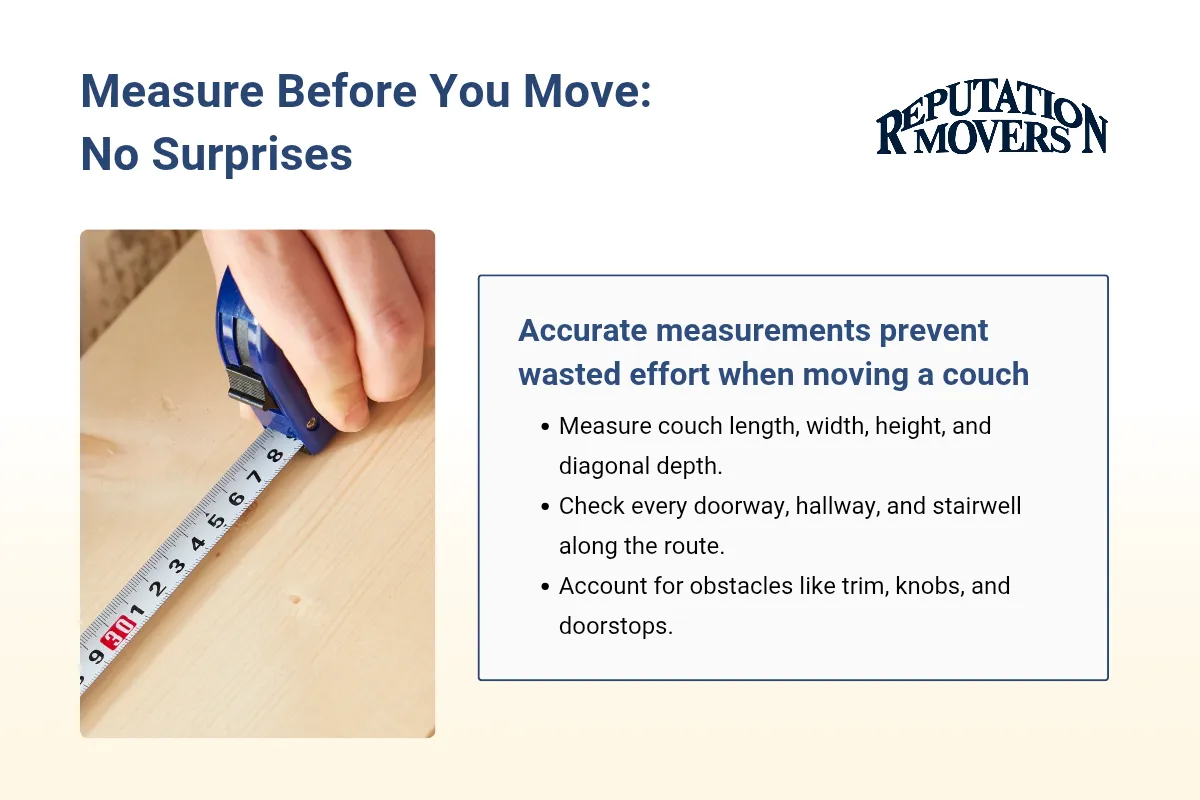
The most common mistake people make when moving a couch is underestimating the importance of measurements. Before you even think about lifting, you need to know if your couch will fit through every doorway, hallway, and stairwell along the path to its new location. This step is essential for preventing last-minute surprises and costly damage.
How to Measure Your Couch and Pathways
Start by gathering a steel tape measure (at least 25 feet), a notebook or your phone for notes, and painter’s tape to mark tight spots. Measure your couch’s length (armrest to armrest), width (back to front at the widest point), height (base to tallest point), and diagonal depth (from the bottom back corner to the top front corner). The diagonal measurement is especially important for tilting the couch through tight spaces.
Next, measure every doorway, hallway, and stairwell the couch will pass through. Open doors fully and measure the clear opening from the inside of the frame, not just the outer molding. Pay attention to the narrowest point between the hinges and the opposite side. Don’t forget to check for obstacles like doorstops, knobs, trim, or skirting boards that can reduce clearance.
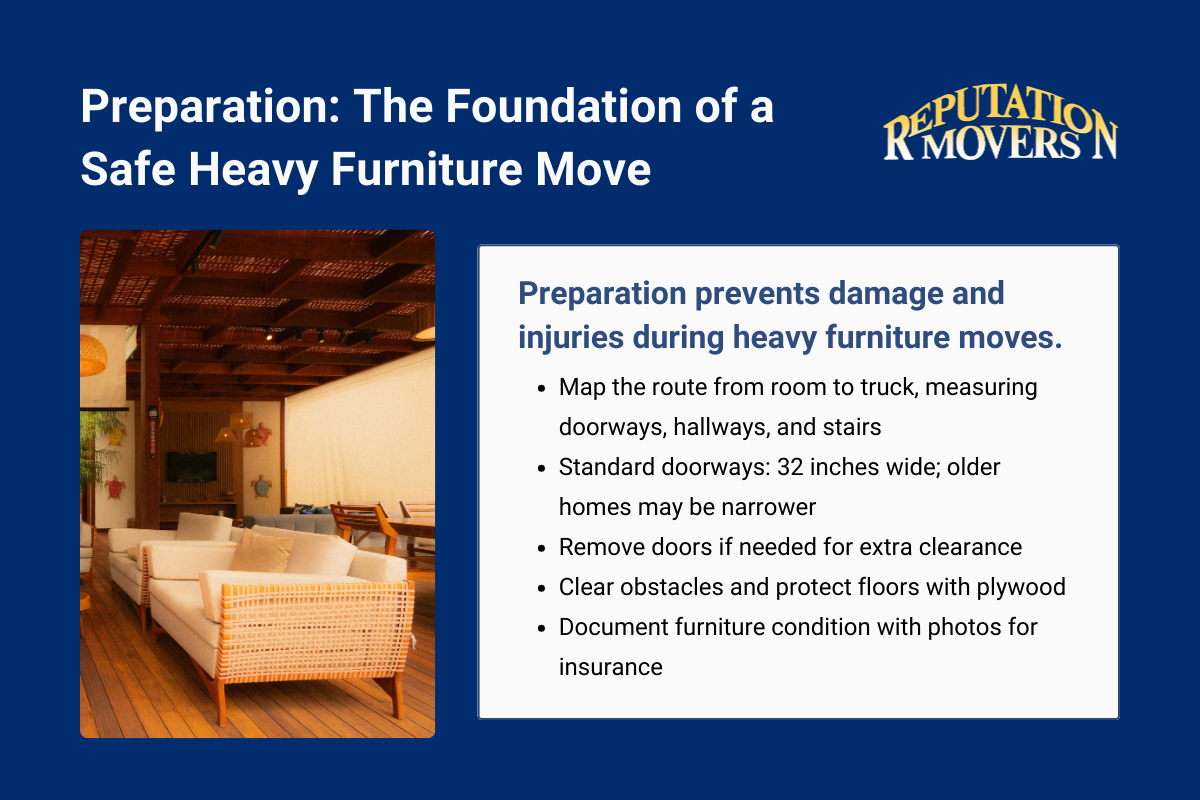
- Standard doorways are usually 30-36 inches wide, but older homes may have narrower openings.
- Measure hallway width at the narrowest point, ceiling height, and turning radius at corners.
- For stairs, check the width, ceiling height, and any railings or doors at the top and bottom.
- Document all measurements and label them by location for easy reference.
Pro tip: If your couch’s diagonal measurement is less than the width of your narrowest doorway, it should fit when tilted. If not, you may need to disassemble the couch or remove doors from their hinges for extra clearance.
Prepare Your Couch for Moving
Once you’ve confirmed your couch will fit, it’s time to prepare it for the move. Proper preparation protects both your furniture and your home from damage. It also makes the moving process smoother and safer for everyone involved.
Remove Removable Parts
Take off any detachable parts such as cushions, pillows, legs, or recliner sections. This reduces the weight and bulk of the couch, making it easier to maneuver. Store these parts in labeled bags or boxes so you can reassemble the couch quickly at your new location.
Wrap and Protect the Couch
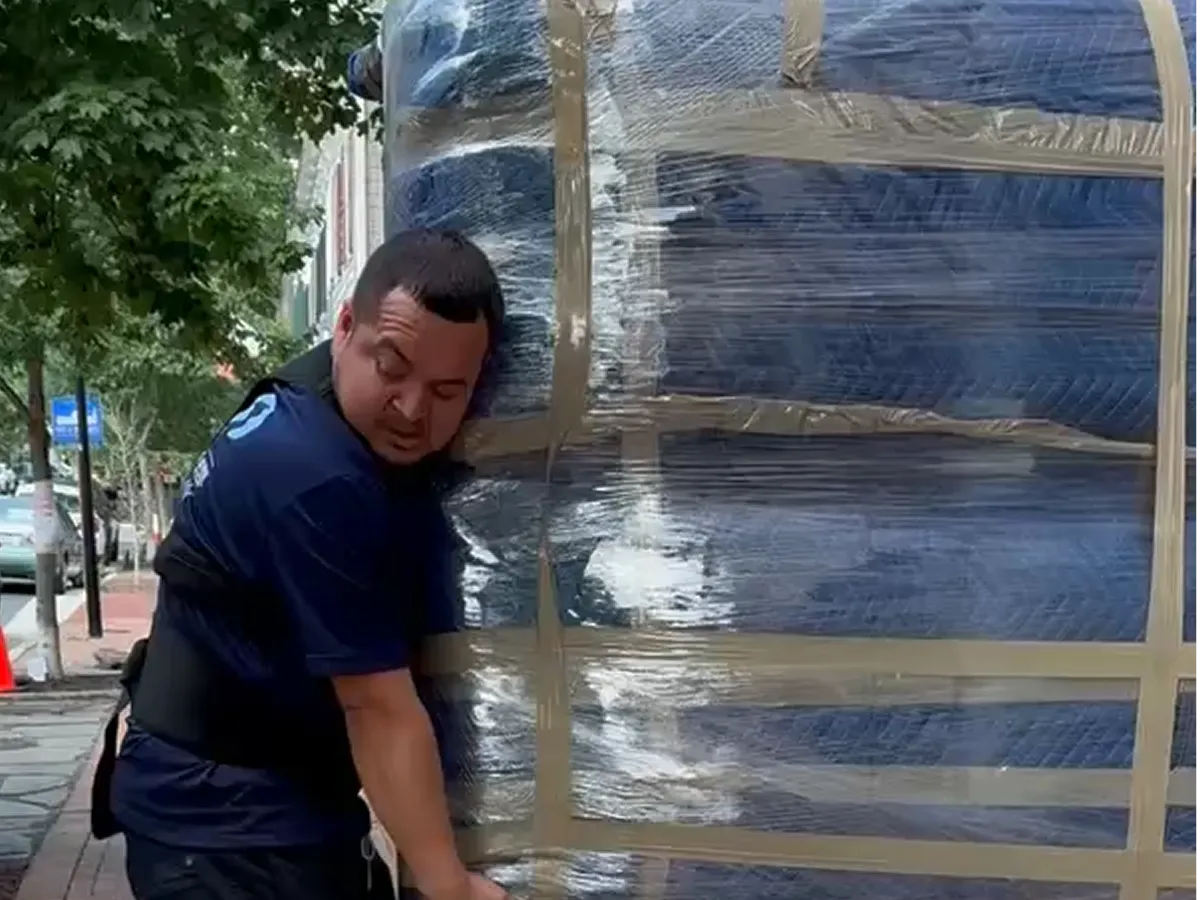
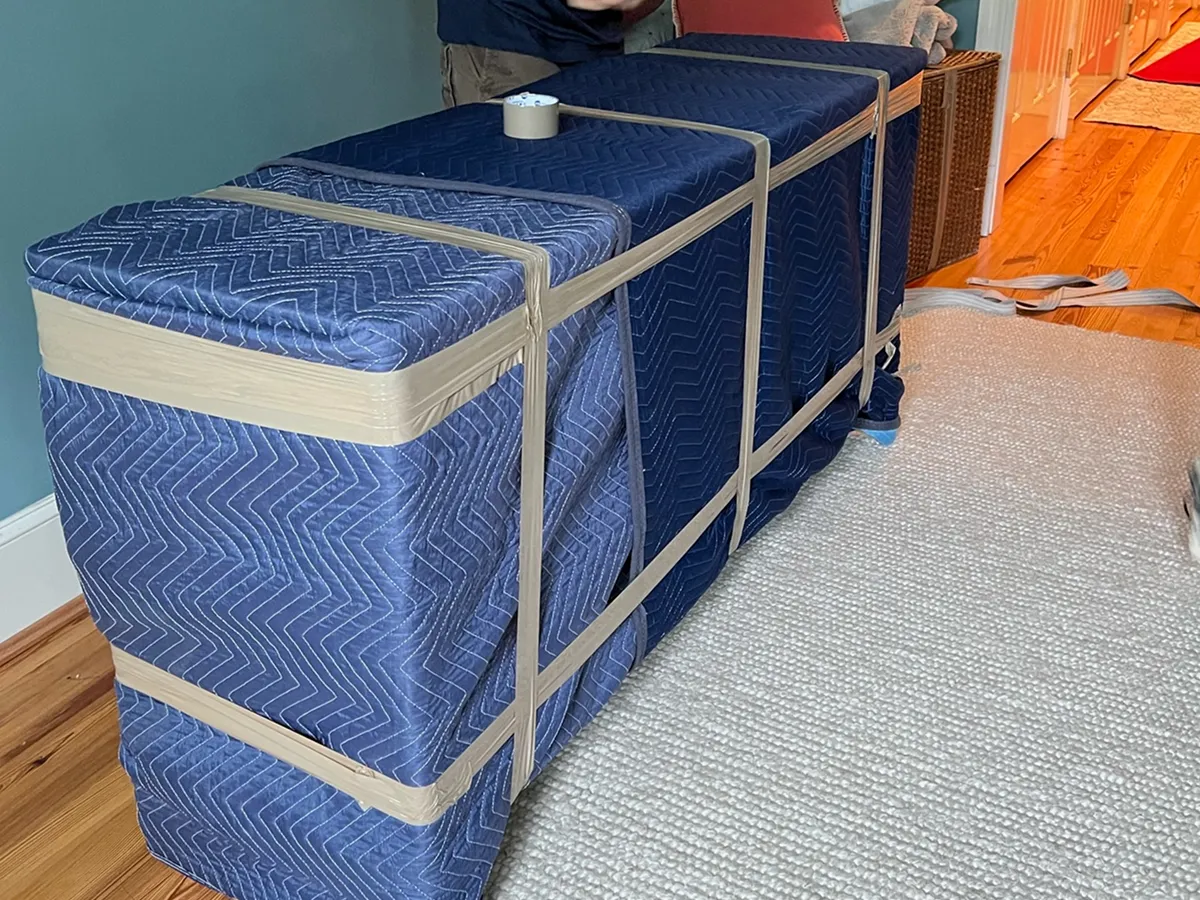
Wrap your couch in moving blankets or thick cloths to protect it from scratches, scuffs, and dirt. For leather couches, use moving blankets with batting for extra protection, and secure them with rubber pallet bands or stretch wrap. Avoid wrapping leather directly in plastic, as this can trap moisture and cause mildew or heat damage.
- Use extra padding on corners and arms, which are most vulnerable to bumps.
- Secure blankets with bands or tape, but leave handholds for a firm grip.
- For fabric couches, consider a light plastic wrap over the blanket for dust protection, but never wrap too tightly.
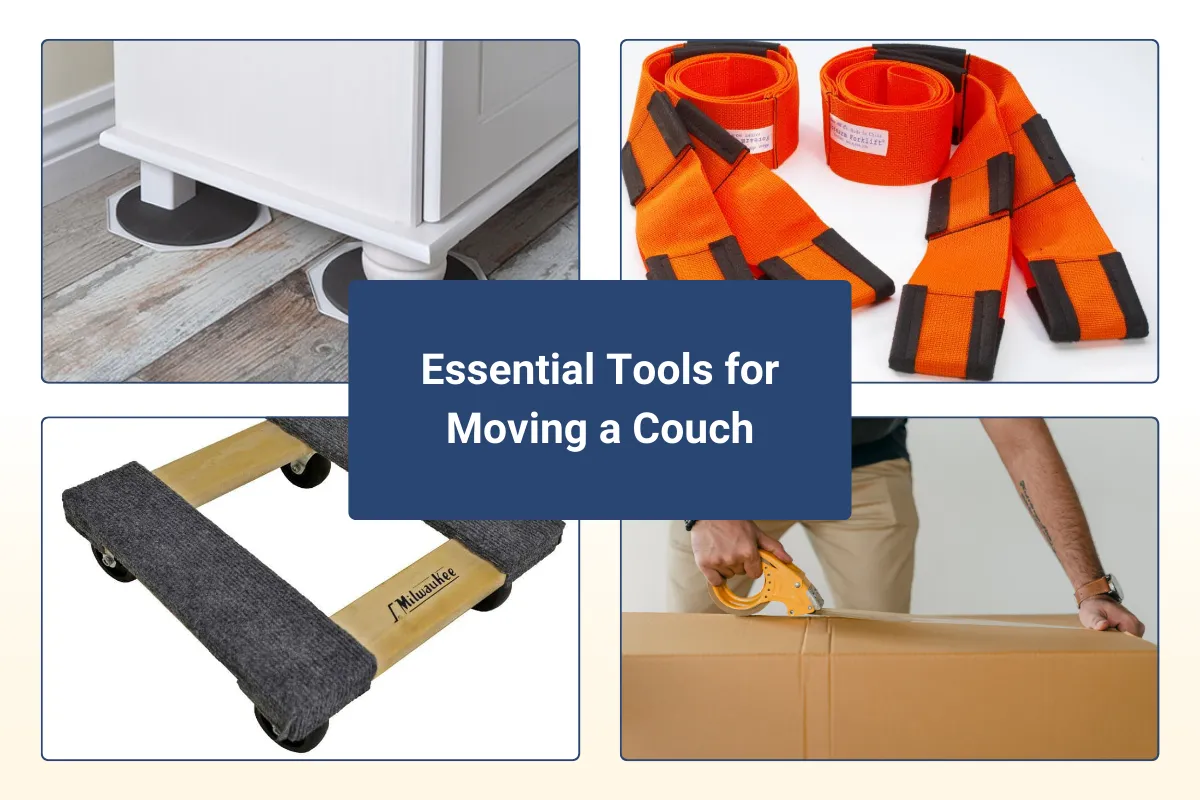
Use the Right Tools: Sliders, Straps, and Dollies
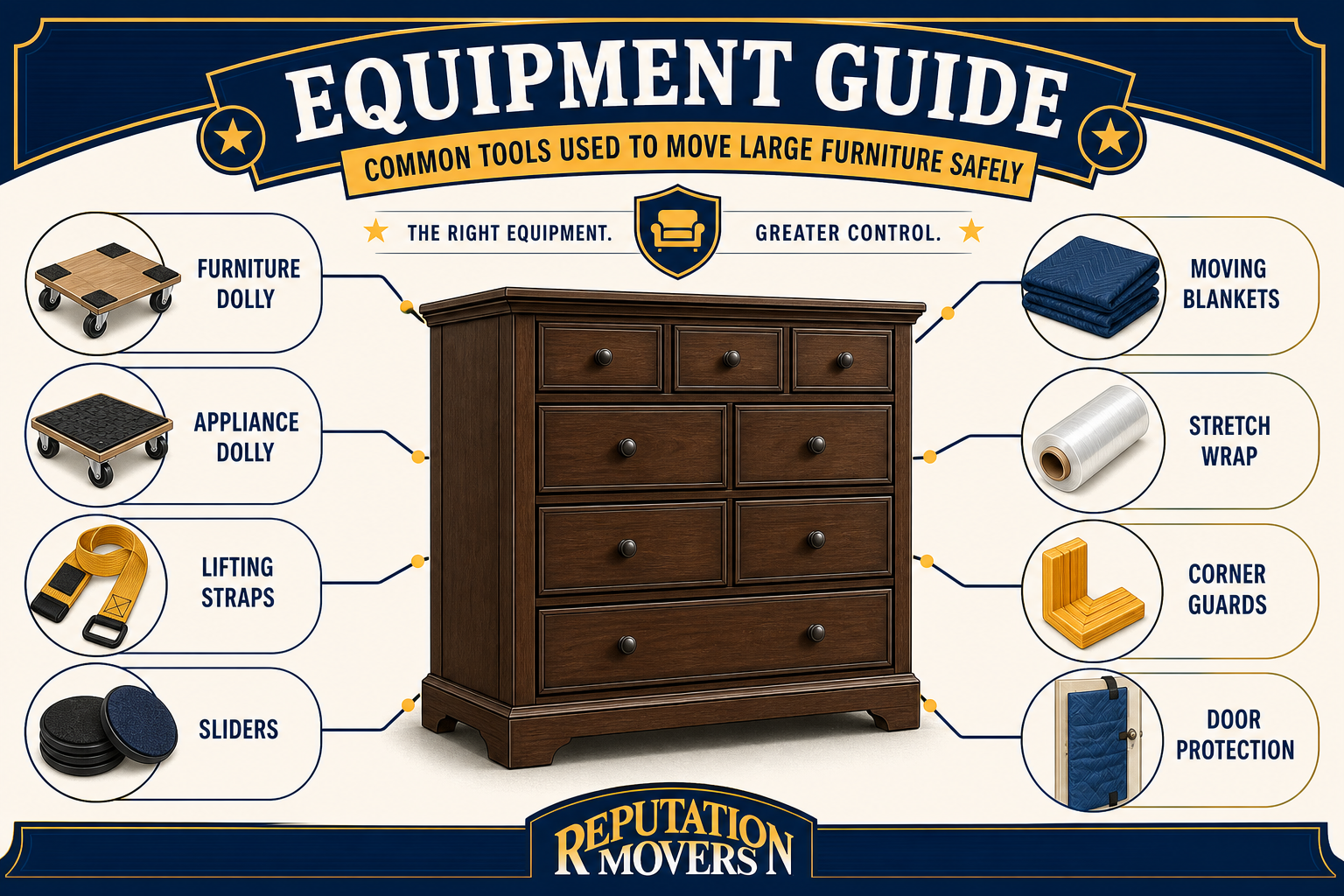
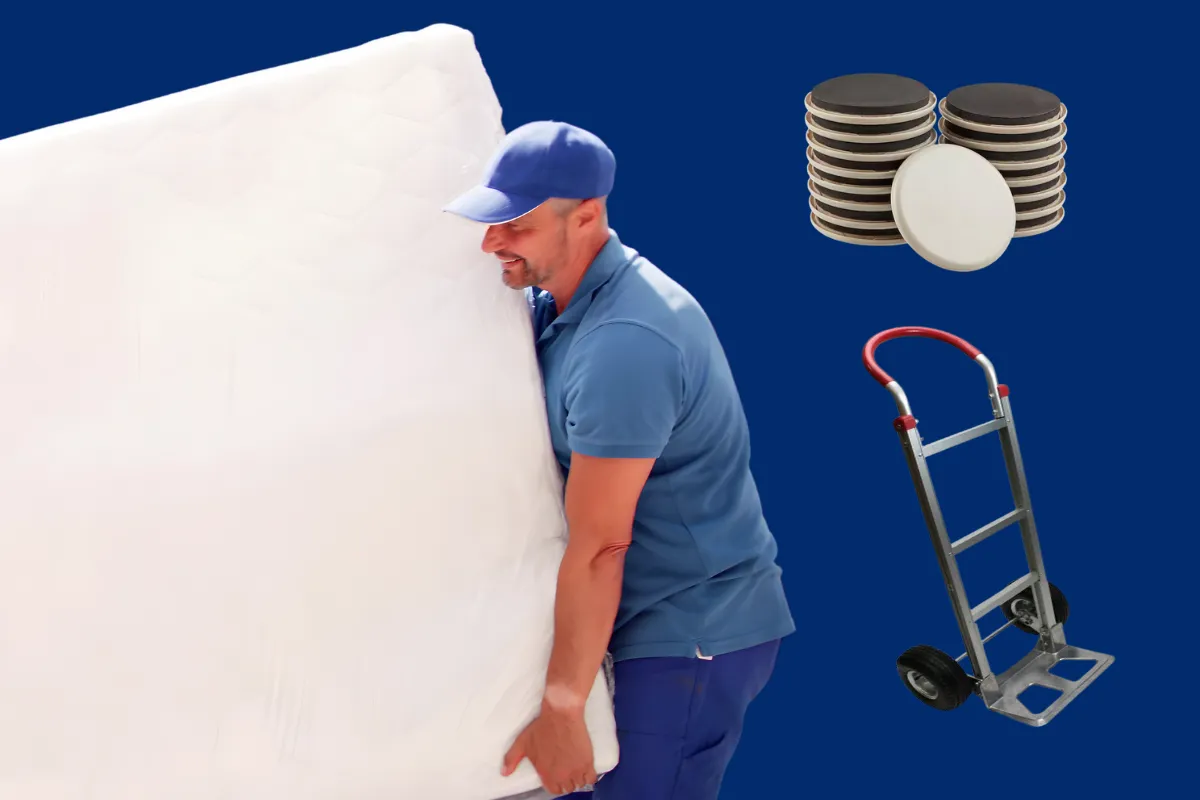
Moving a couch without the right equipment is a recipe for injury and property damage. The right tools make the job safer, faster, and much less stressful. Here’s what you need to know about using furniture sliders, moving straps, and dollies.
Furniture Sliders: Protect Your Floors and Your Back
Furniture sliders are small pads that go under the legs or corners of your couch, allowing you to slide it across the floor with minimal effort. They are especially useful for moving a couch across hardwood, tile, or carpeted floors without scratching or gouging the surface.
- Choose felt sliders for hardwood floors and plastic sliders for carpet.
- Lift one end of the couch slightly and slip a slider under each leg or corner, centering for stability.
- Push the couch slowly and steadily, avoid jerking or pulling, which can dislodge the sliders or strain your back.
- For very heavy couches, move in small increments and reposition sliders as needed.
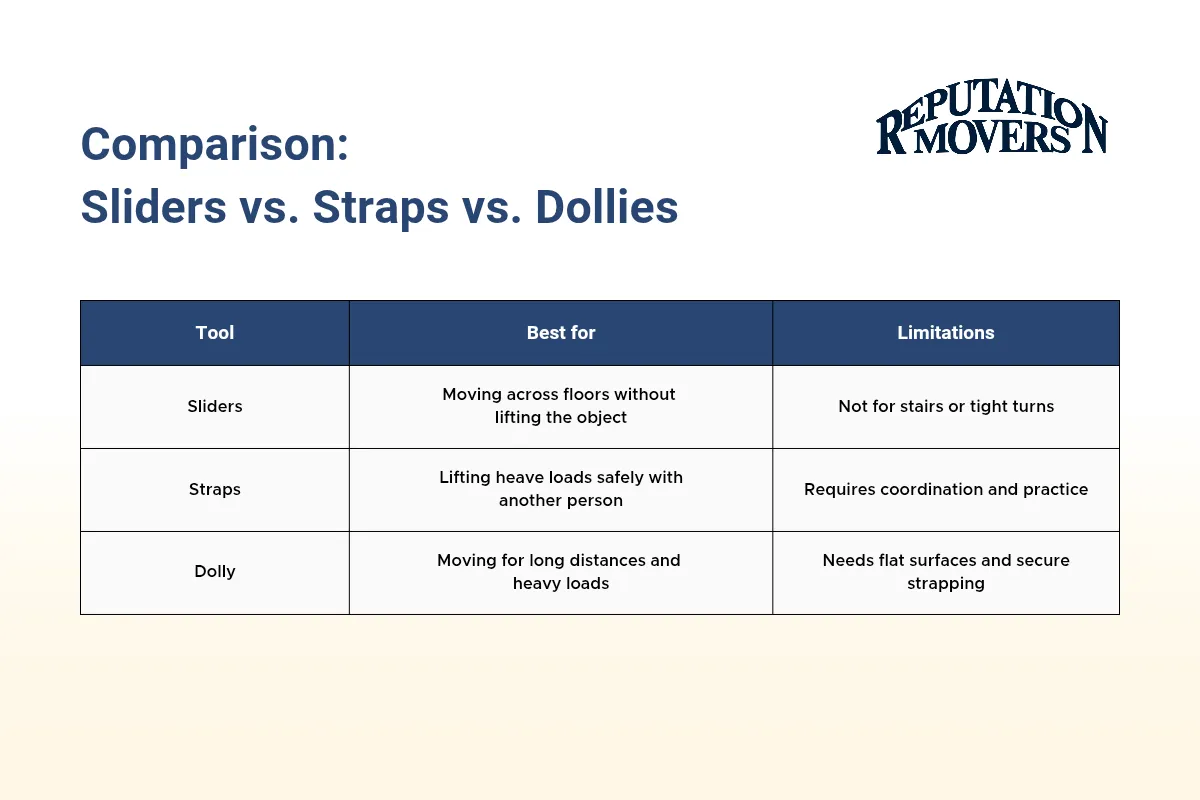
Sliders are not suitable for stairs or very tight turns, but they are perfect for moving a couch across a room or down a hallway.
Moving Straps: Safe Lifting for Heavy Couches
Moving straps (also called lifting straps or shoulder dollies) help distribute the weight of a heavy couch, making it easier and safer for two people to lift and carry. They reduce the risk of back injuries by shifting the load to your legs and shoulders.
- Lay the straps on the floor and position the couch on top, centered over the straps.
- Each person puts on a harness or loops the straps around their forearms, adjusting for height and comfort.
- Bend your knees, keep your back straight, and lift with your legs, not your back.
- Communicate with your partner and move slowly, especially when navigating stairs or tight spaces.
Practice lifting with the straps before moving the couch to ensure you both feel secure and balanced.
Dollies: For Long Distances and Heavy Loads
A furniture dolly is a flat platform with wheels that can support the full weight of a couch. It’s ideal for moving a couch over long distances, through elevators, or across parking lots. Secure the couch to the dolly with straps or rope to prevent it from shifting during transport.
Disassemble Sectional Couches for Easier Moving
Sectional couches are especially tricky to move in one piece. Fortunately, most sectionals are designed to come apart for easier handling. Disassembling your sectional can make it possible to fit through narrow doorways and around tight corners.
How to Disassemble a Sectional Couch
- Remove all cushions and pillows to access the frame and connection points.
- Locate the fasteners, these may be screws, bolts, clips, brackets, or Velcro strips.
- Start with the most accessible section and carefully disconnect it, using the appropriate tools (screwdriver, wrench, etc.).
- Bag and label all hardware for easy reassembly later.
- Work slowly and avoid forcing any parts to prevent damage to the frame or connectors.
If connectors are stuck, a small amount of penetrating lubricant can help. Always have a helper for stability and to manage heavy sections.
Techniques for Navigating Tight Spaces
Even with careful measurement and preparation, you may encounter tight spots where your couch barely fits. The right techniques can make the difference between a smooth move and a frustrating struggle.
Tilt and Pivot: The Diagonal Method
If your couch is too long or wide to fit straight through a doorway, try tilting it diagonally. Stand the couch on one end and angle it so the back and bottom form a “V” shape. This reduces the width and allows you to maneuver through narrow openings. Always move slowly and protect the corners with extra padding.
Remove Doors or Hinges for Extra Clearance
Sometimes, removing a door from its hinges can give you the extra inch or two you need to get the couch through. This is a simple process with a screwdriver and can save a lot of hassle. Just be sure to store the door and hardware safely until you’re ready to reattach them.
Protecting Your Couch and Home During the Move
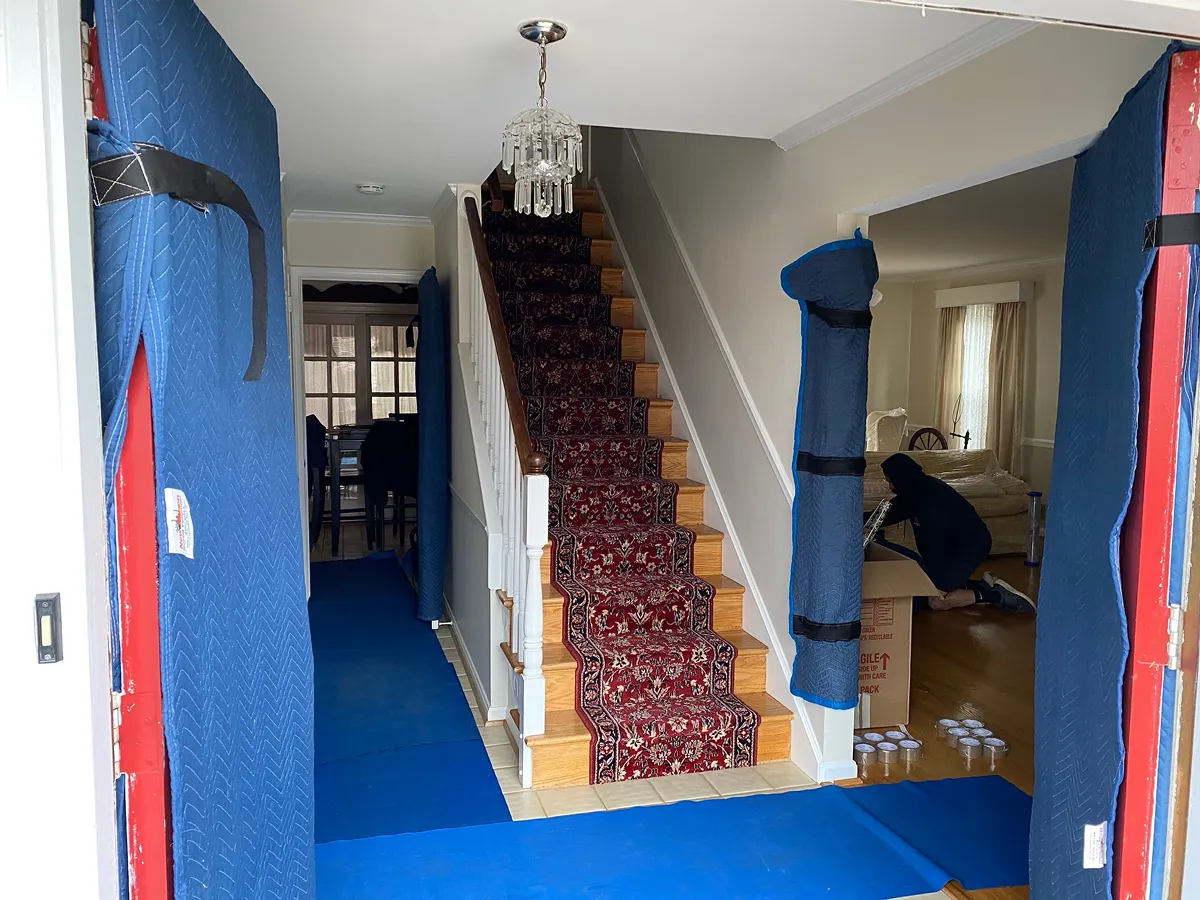
Protecting your couch isn’t just about wrapping it up. You also need to protect your floors, walls, and door frames from accidental bumps and scrapes. Here’s how to keep everything in top condition during your move.
- Lay down blankets or cardboard along the moving path to shield floors from scratches and dirt.
- Use corner protectors or extra padding on door frames and walls in tight spots.
- Keep the couch elevated on sliders or a dolly whenever possible to avoid dragging.
- For leather couches, avoid direct contact with plastic or tape, which can cause condensation and stains.
After the move, inspect your couch for any minor scuffs or marks. For leather, a microfiber cloth and leather cream can buff out small scratches. For fabric, a handheld steamer can help remove wrinkles or light stains.
When to Call the Professionals
Some couches are simply too large, heavy, or delicate to move safely without professional help. If you’re dealing with a multi-story building, tight stairwells, or valuable antique furniture, hiring experienced movers is the best way to protect your investment and your home.
Professional movers have the tools, training, and insurance to handle even the most challenging moves. They can disassemble and reassemble furniture, navigate complex layouts, and ensure your couch arrives in perfect condition.
Final Tips for a Stress-Free Couch Move
Moving a couch doesn’t have to be a nightmare. With careful planning, the right tools, and a little help, you can get your couch to its new home safely and efficiently. Remember to measure everything, protect your furniture and home, and don’t hesitate to ask for help when you need it.
- Always lift with your legs, not your back, and communicate with your moving partner.
- Take your time, rushing increases the risk of accidents and damage.
- Keep all hardware and tools organized for easy reassembly.
- If in doubt, call the professionals for peace of mind.
Move Your Couch with Confidence, Contact Reputation Movers Today
Whether you’re moving across town or just to a new room, Reputation Movers in Alexandria, VA, are your trusted specialists for local and long distance moves. Our team uses proven techniques and professional equipment to ensure your couch and other furniture arrive safely, without damage to your home or belongings. We offer careful planning, expert handling, and full-service solutions for every move. If you want a stress-free moving experience, contact Reputation Movers today for a free quote or to discuss your specific needs.














.webp)

.webp)
.webp)
.webp)

.webp)
.webp)









.webp)

.webp)


.png)