.webp)
.svg)
Alexandria offers no shortage of storage options, but the right choice depends less on the nearest facility and more on how your belongings need to move, how often you need access, and how much responsibility you want to manage yourself.
Reputation Movers has helped homeowners, renters, families, and downsizers throughout Alexandria and Northern Virginia plan moves with storage needs since 1988. Because we handle moving, packing, warehousing, and organizing support, we often help clients compare self storage with mover-managed storage before they commit to either path.

Storage Alexandria VA options fall into two main categories
The local storage landscape in Alexandria is dense. National-chain self storage facilities, local storage companies, portable storage options, and mover-run warehouses all serve the area. Many facilities cluster near major corridors such as Richmond Highway, Potomac Yard, and Seminary Road, giving residents a wide range of unit sizes and access options.
Self storage is the familiar model. You rent a unit, bring items in yourself, lock the unit, and return when needed. Facilities commonly offer electronic gate access with individual keypad codes, perimeter fencing, video surveillance, and, in some cases, resident managers or individually alarmed units.
Many Alexandria storage facilities also offer extended access hours, often around 6 a.m. to 10 p.m. That can be useful for renters, homeowners, and small households who want to add or retrieve items after work or on weekends.
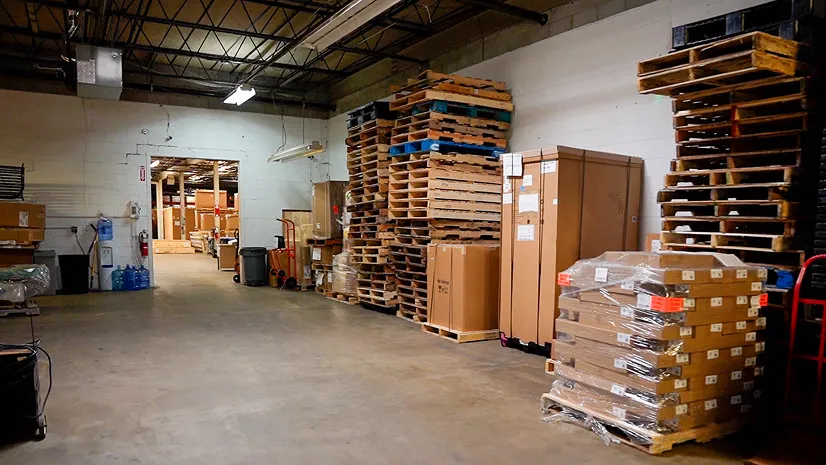
Full service storage works differently. In mover-managed storage, the moving company picks up your belongings, transports them to a warehouse, stores them, and redelivers them when you are ready. These warehouses usually are not open for public walk-in access. Instead, items are managed through work orders, inventories, and scheduled delivery.
The difference is not only where the items sit. It is who handles the labor, who tracks the inventory, how often items are moved, and how much access you expect during the storage period.
Self storage gives you access, while mover-managed storage gives you service
Self storage gives customers the most direct control. You choose the facility, rent the unit, pack your belongings, load the vehicle, unload the unit, and decide when to visit. For people who need frequent, unscheduled access, this flexibility can be the deciding factor.

This model suits renters and homeowners who are comfortable doing physical work or arranging their own help. It also works well when the items are not unusually fragile, valuable, or difficult to move.
Mover-managed storage is built around convenience and fewer touchpoints. Professional crews pack and wrap furniture, load items onto trucks, place them into warehouse storage, and return them to the next address on schedule. For many families, older adults, and people managing complex transitions, reducing the amount of lifting and coordination is worth the added structure.
The access trade-off is real. Self storage is better if you want to stop by often and pull a few items at a time. Mover storage is better when the priority is a smoother door-to-door transition, with less handling by non-professionals and less strain on the household.

The real cost of storage is more than the monthly unit price
Self storage prices in Alexandria can seem straightforward at first, but rates vary quite a bit based on unit size, location, and features. Climate-controlled units, for example, may start at about $40 to $60 per month for very small spaces and climb to $200 or more for larger units. One of the most popular choices for apartment-sized moves, a 10x10 unit, often starts around $69 per month and averages about $185 at storage facilities across the Alexandria area.
Smaller units like 5x5 or 5x10 spaces, often used for boxes and a few pieces of furniture, typically cost between $59 and $149 per month. Larger options, such as 10x20 units that can hold the contents of a three- or four-bedroom home, generally range from about $179 to more than $400 per month, depending on the facility and location.
Typical Storage Costs in Alexandria
Very small climate-controlled units: About $40 to $60 per month
5x5 or 5x10 units: About $59 to $149 per month
10x10 units: Starting near $69 per month, averaging around $185
10x20 units: About $179 to $400+ per month
Cost Comparison Table
Storage Type or SizeTypical Monthly CostCommon UseVery small climate-controlled unit$40 to $60Small personal items, a few boxes5x5 or 5x10 unit$59 to $149Boxes and a few furniture pieces10x10 unitStarts near $69, averages around $185Apartment-scale moves10x20 unit$179 to $400+Contents of a three- or four-bedroom home
Promotional pricing can make self storage especially appealing for short-term needs. Some national chains offer first-month discounts or lower online-only rates on select units. These deals can be useful during a move, but it is important to remember that the standard monthly rate may increase once the promotion ends.
Mover-managed warehouse storage is usually priced differently. Instead of paying based on a posted unit size, customers may receive quotes based on weight, by vault, or by the amount of warehouse space required. Pickup, handling, packing, and redelivery may also be included in the overall pricing structure.
This makes direct comparisons more difficult, but also more meaningful. A traditional self storage unit may offer a lower monthly rental rate, while full-service storage can help offset other expenses that are not reflected in the unit price alone.
When comparing total cost, include:
Truck rental or vehicle costs for trips to and from the unit
Fuel, mileage, and time spent loading and unloading
Packing materials, including boxes, padding, and wrap
Physical labor, whether DIY, family help, or hired assistance
The value of reducing damage risk for furniture, heirlooms, artwork, and electronics
The number of times items will need to be handled before final delivery
For short-term storage of simple household goods, self storage can be the more economical choice. For long-term storage of valuable furniture or sentimental items, the total-cost picture can shift. Professional packing, climate control, and reduced handling may offset a higher base storage cost over time.
Climate control matters in Alexandria’s humidity
Alexandria’s hot, humid summers and variable winters make climate control a serious factor, especially when belongings will be stored for more than a few weeks. Climate-controlled storage units in the area commonly maintain a moderated temperature range, such as roughly 55 to 80 degrees Fahrenheit year-round.
For wood furniture, leather pieces, and upholstered items, climate control helps reduce the risk of warping, cracking, mold growth, and fabric deterioration. Humidity swings can be hard on furniture, especially pieces that were made to live inside a conditioned home.
Mattresses, clothing, and paper documents also benefit from controlled conditions. Moisture can lead to mildew, musty odors, and deterioration, especially in garages, outdoor units, or spaces with wide temperature changes.
Electronics, musical instruments, and fine art are more sensitive. These items may require not only temperature moderation, but also stable humidity and careful packing. Corrosion, swelling, and finish damage can occur when sensitive belongings spend too long in inconsistent storage conditions.
Heirlooms deserve extra thought. Antique furniture, framed photographs, keepsake boxes, and long-kept family items may not have a high replacement value on paper, but they carry meaning that cannot be replaced. For these belongings, a professional environment with inventory tracking, controlled access, protected loading areas, and climate-controlled storage can offer more peace of mind than a standard unit.
A practical approach is to sort belongings by sensitivity. Durable outdoor gear, plastic bins, seasonal decorations, and basic household overflow may be fine in self storage if packed properly. Irreplaceable furniture, art, instruments, heirlooms, and electronics often belong in a climate-controlled environment with professional handling.

Short-term storage works best when it supports the next move
Short-term storage is common during a home sale, renovation, lease gap, or delayed closing. In these situations, the storage period may last only a few days, weeks, or months. Flexibility often matters as much as protection.
Self storage can be a good fit when the customer is comfortable packing and hauling. Month-to-month agreements and extended gate hours make it easier to adjust as move dates shift. A unit near home, work, or a major road can make quick trips less disruptive.
For short gaps, durable items may do well in a standard unit if packed correctly. Kitchenware, tightly packed books, kids’ toys, and basic furniture can often tolerate short-term storage, particularly when boxes are stacked carefully and items are elevated off the floor on pallets.
Location and access should guide the decision. Ground-floor or drive-up access is helpful for heavy furniture. Clear access hours matter if you expect to retrieve items after work. Climate control may be worth the added cost if the storage period overlaps with hot, humid weather or includes sensitive belongings.
Full service storage becomes more attractive when timing is tight or labor is limited. A family may need to vacate one home before the next one is ready. Downsizers may need to remove furniture for staging without managing repeated truck trips. In these cases, a mover can load items once, store them in warehouse vaults, and redeliver them directly to the next home.
Professional organizers can add structure during short-term storage. They can pre-sort belongings, label boxes, and create an inventory before anything goes into storage. When storage is part of a larger transition, that planning keeps the unit or warehouse from becoming a disorganized holding area.
Long-term storage needs a stronger protection plan
When storage is expected to last six months or longer, the decision changes. Small moisture and temperature fluctuations can add up over time. Mold, rust, adhesive failure, fabric deterioration, and wood damage become more likely the longer items sit in an unsuitable environment.
Self storage can still work for long-term needs if the unit is climate controlled, items are packed carefully, and someone is prepared to check on the space periodically. Interior climate-controlled units are often better protected from outdoor temperature swings than drive-up or exterior units.
For furniture, heirlooms, and household goods that will not need frequent access, mover-managed warehouse storage can be a stronger fit. Items may be stored on pallets or in vaults, with limited handling and inventory tracking. The controlled setting matters most when belongings are large, fragile, valuable, or emotionally significant.
Long-term storage also raises a planning issue. Downsizers and families in transition may not yet know which items will be kept, donated, sold, or passed to relatives. A professional inventory, and in some cases a photographic record, can make decisions easier without repeatedly opening boxes in a storage unit.
This is where our secure warehouse storage in Northern VA can fit into a larger plan. For some clients, the best answer is not all self storage or all mover storage, but a divided strategy: large heirloom pieces and fragile furniture in managed warehouse storage, with seasonal décor or everyday overflow in an accessible self storage unit.
Packing and handling often decide the risk level
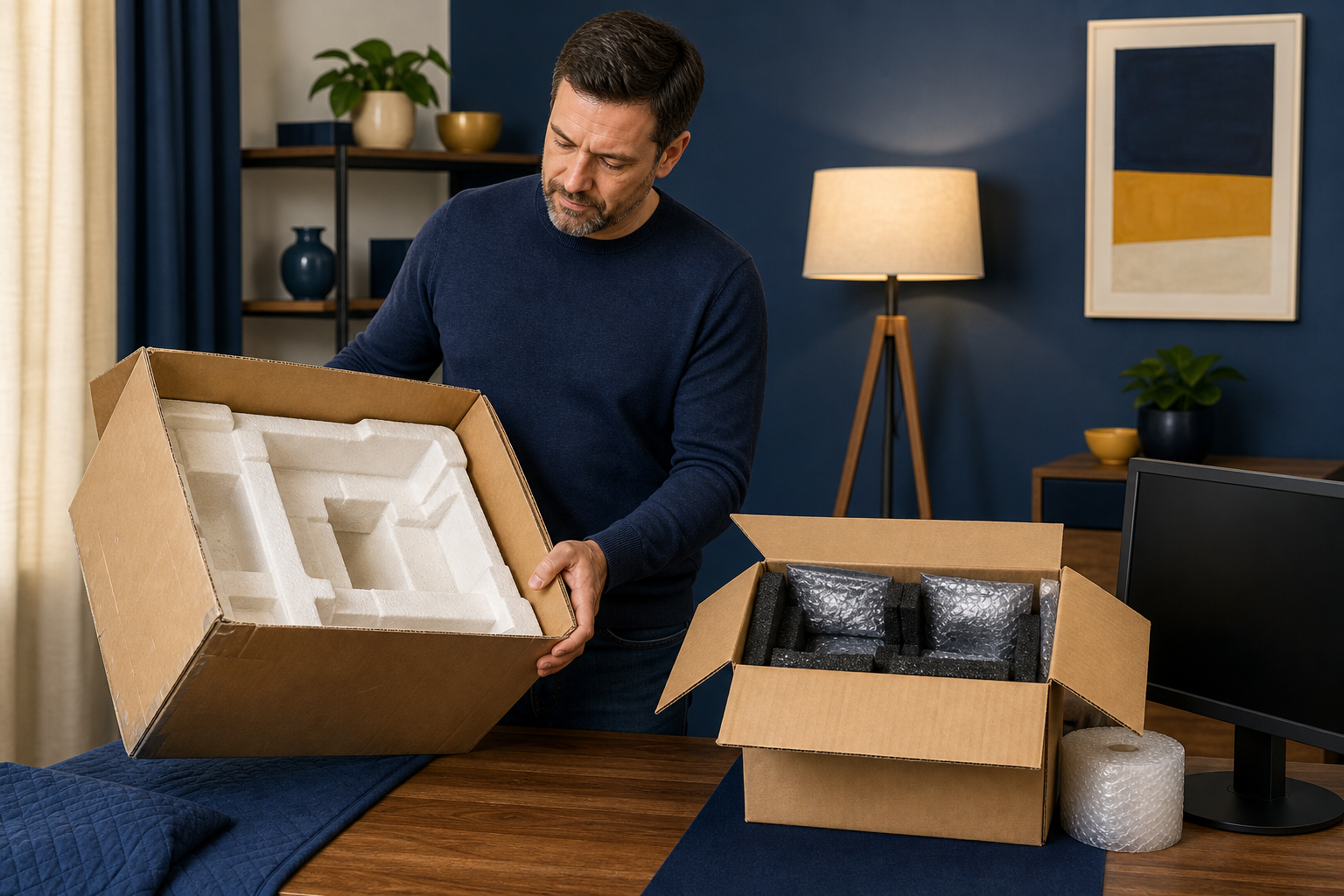
Storage damage often begins before items reach the unit or warehouse. Poor packing, rushed loading, overstacked boxes, and unprotected furniture corners can create problems that only become visible later.
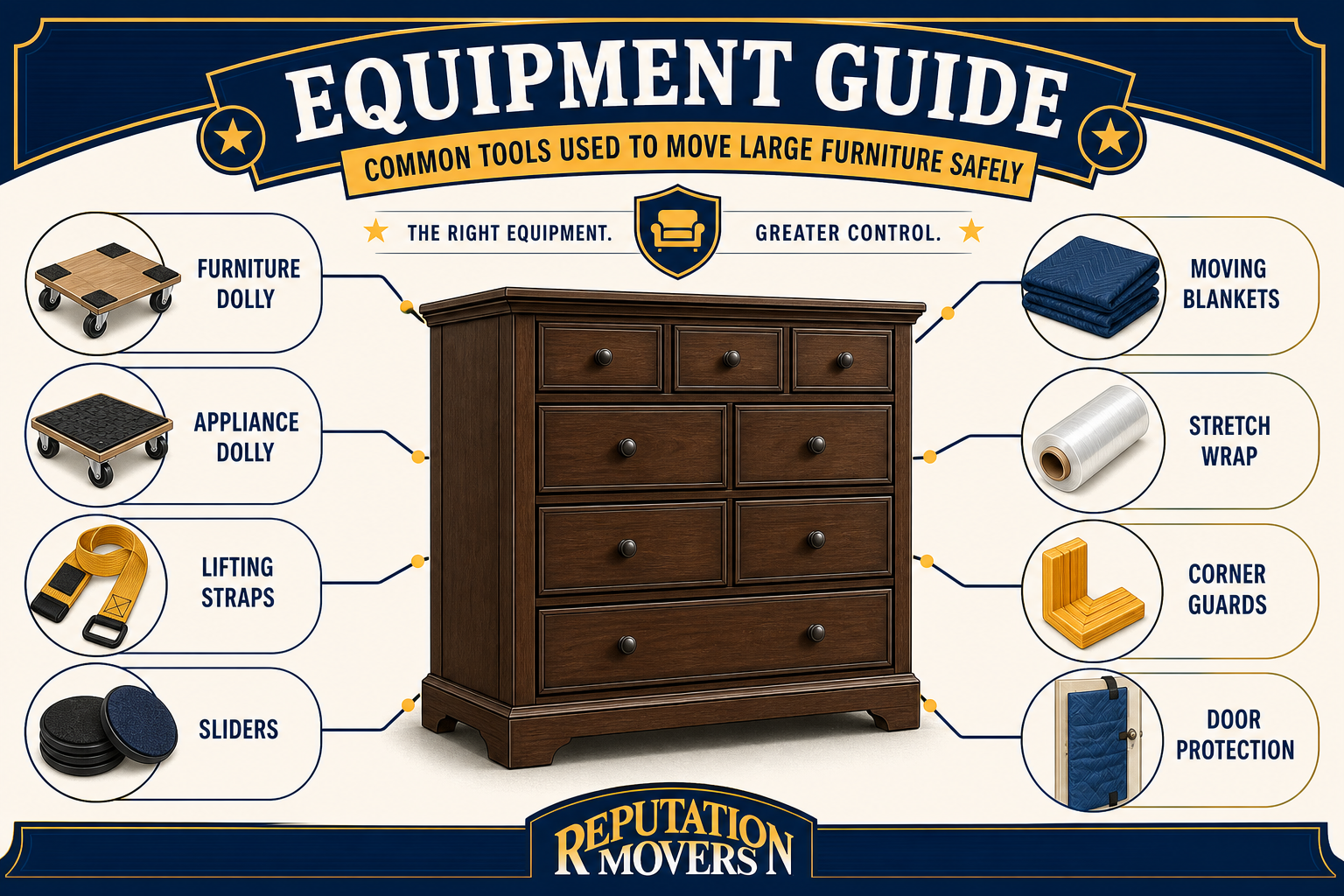
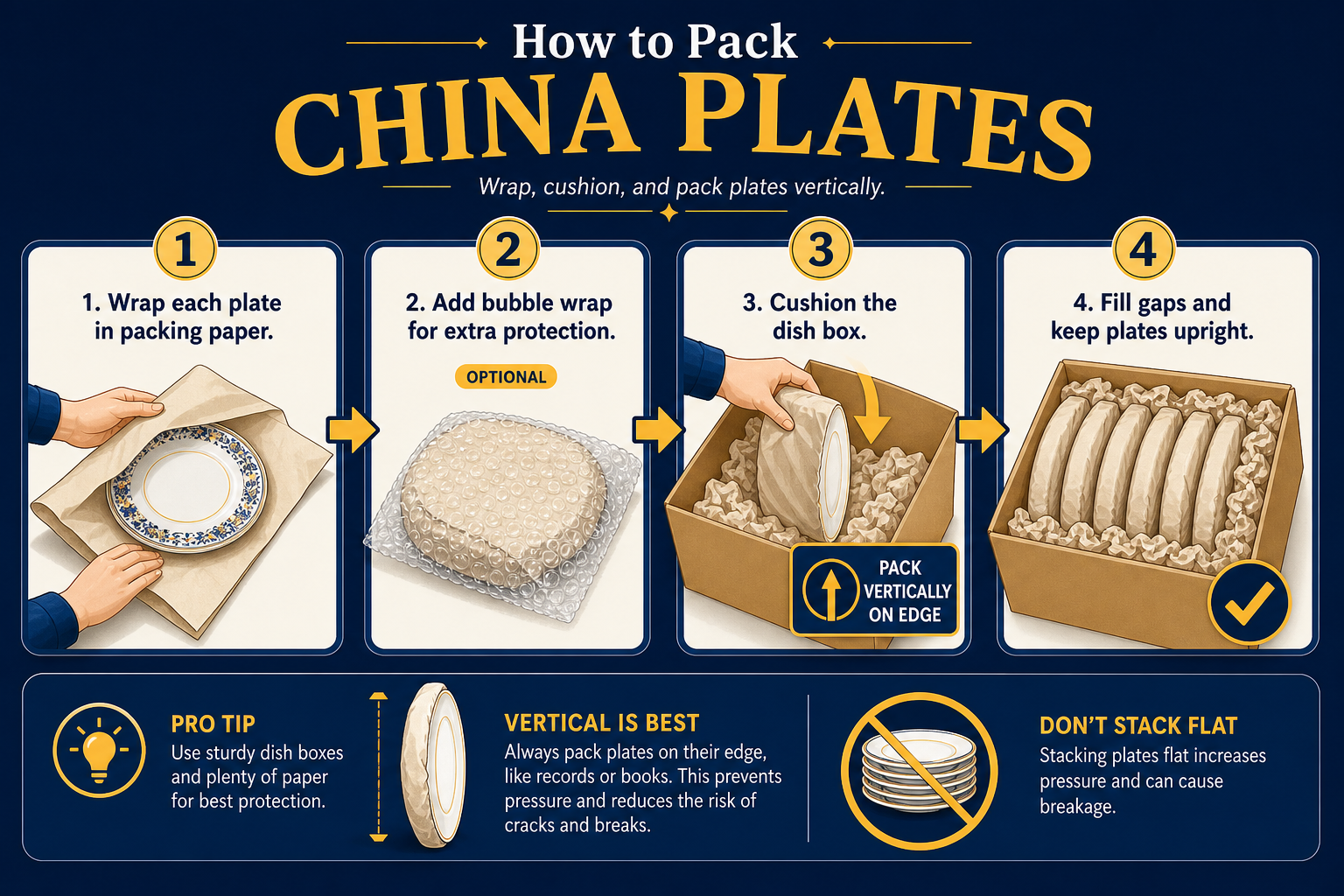
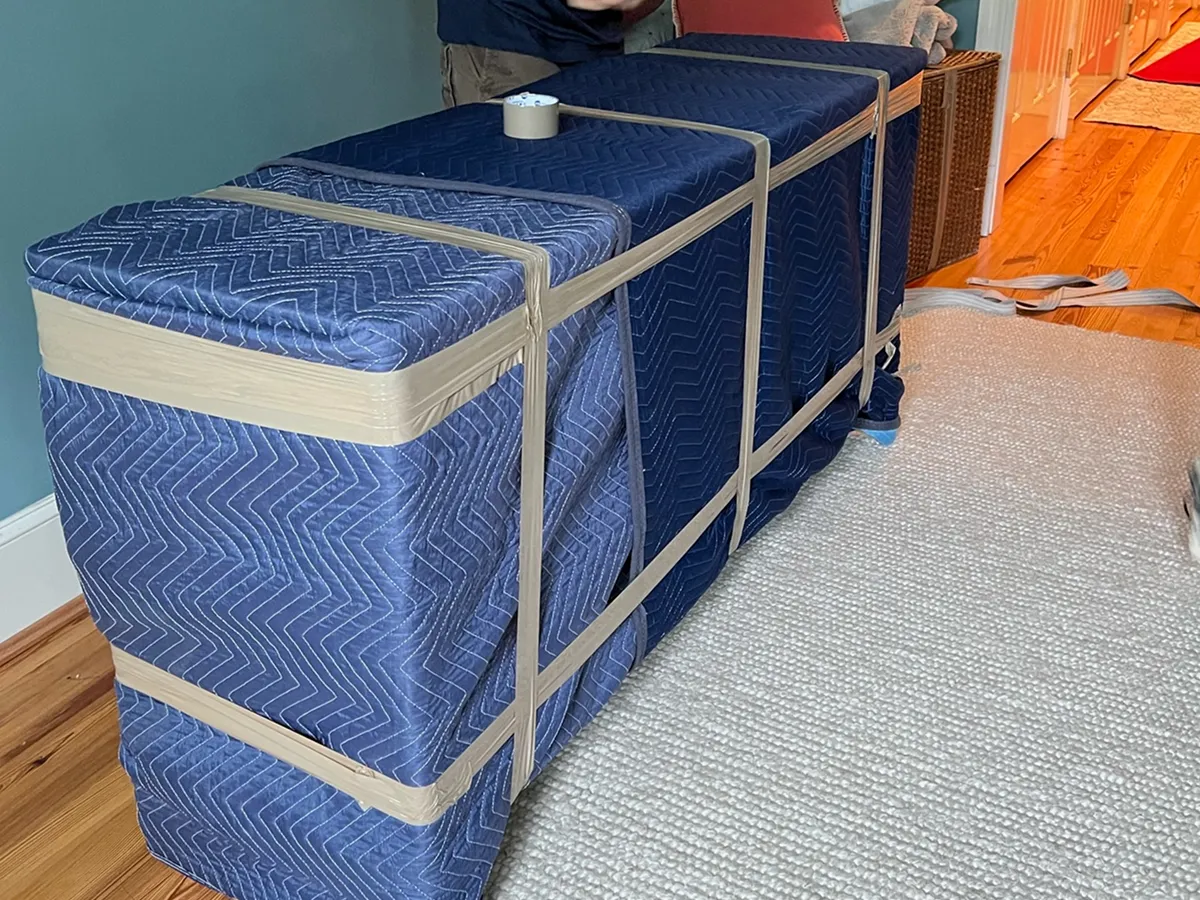
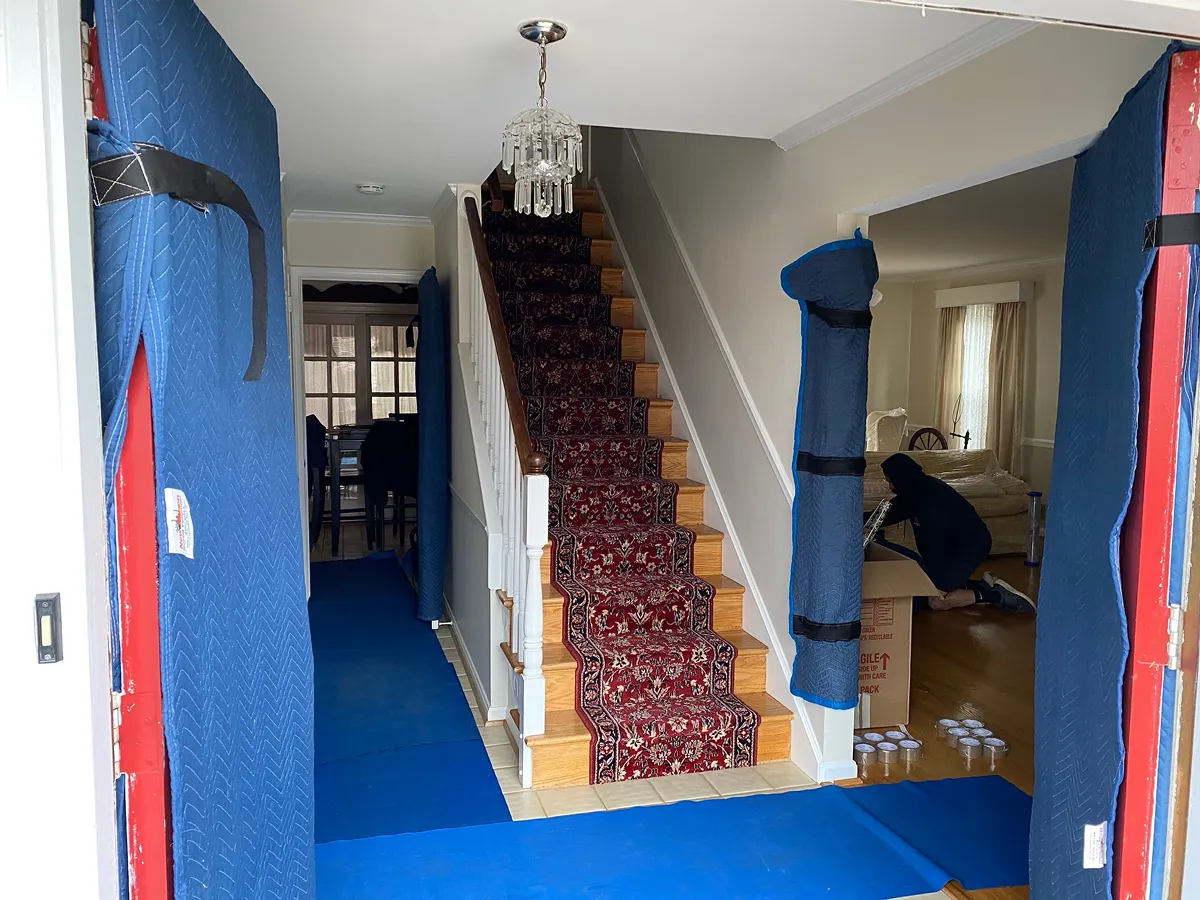
Professional packing is one of the biggest differences between DIY self storage and full service storage. Movers use materials such as moving blankets, shrink wrap, double-walled boxes, and padding designed for transport and storage. They also understand how vibration, humidity, and long storage periods affect different items.
Furniture needs special attention. Beds and tables may need proper disassembly. Corners should be padded. Wood surfaces should be protected from scratches and pressure. Upholstered pieces should be wrapped in a way that protects them without trapping moisture improperly.
Stacking matters too. Heavy boxes should not crush lighter ones. Fragile items should not bear weight. Furniture should be placed so stress does not sit on weak joints or delicate legs. In warehouse storage, crews can place items in vaults or designated spaces with these risks in mind.
For self storage, customers can reduce risk by labeling clearly, keeping aisles for access, elevating boxes off the floor, and placing sensitive items away from exterior walls when possible. Good packing does not make every unit suitable for every item, but it can make a meaningful difference.
Different storage needs call for different Alexandria storage strategies
No single storage model works for every household. The best storage choice depends on budget, access, item sensitivity, physical ability, move timing, and how much uncertainty surrounds the next step.
Homeowners often need a total-cost comparison
A full-house move can easily require more than one self storage unit, especially when furniture, garage contents, seasonal items, and household goods are all involved. Comparing one monthly unit rate to a warehouse quote may not reveal the full picture.
Homeowners should estimate the number of units required, the number of truck trips, the labor needed, and whether climate control is necessary for wood furniture, artwork, electronics, and other sensitive items. For larger homes, full service storage may simplify the move even when the monthly cost appears higher.
Renters and young professionals may value budget and access
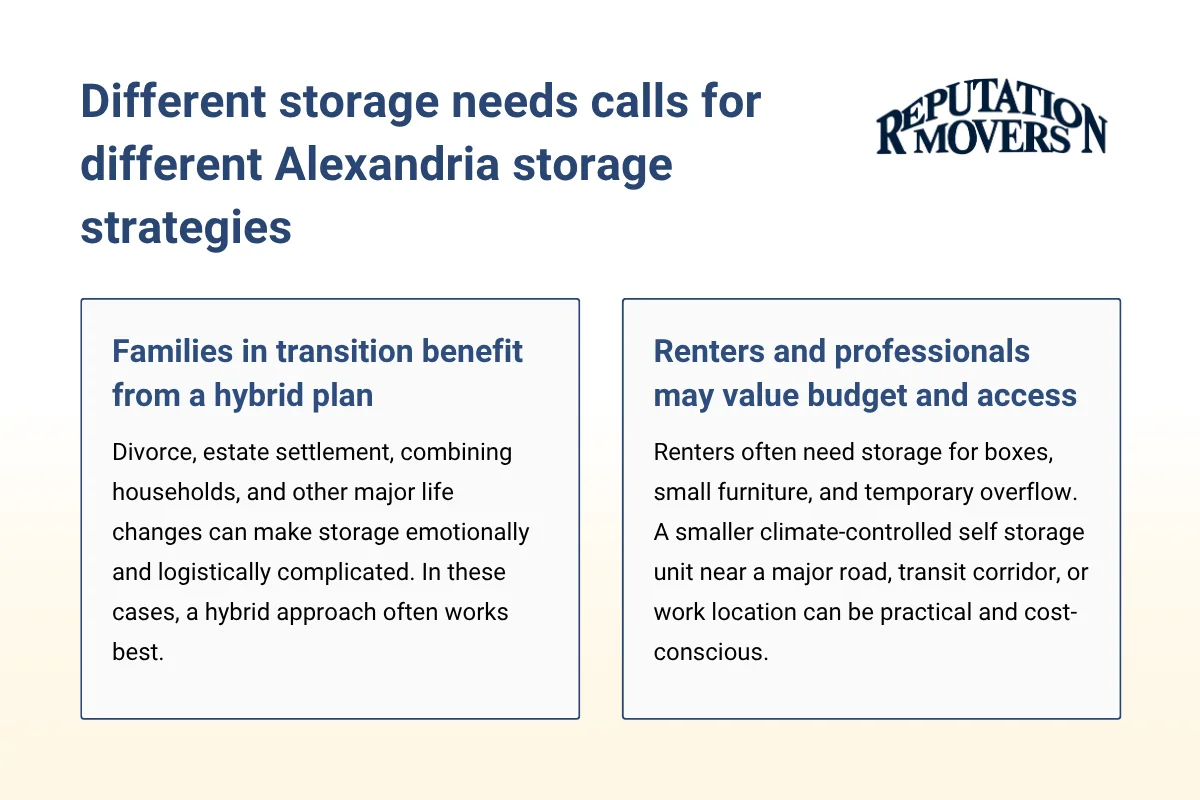
Renters often need storage for boxes, small furniture, and temporary overflow. A smaller climate-controlled self storage unit near a major road, transit corridor, or work location can be practical and cost-conscious.
Limited professional help may still make sense for the heaviest items. Even when most of the move is DIY, having movers handle a sofa, mattress, dresser, or table can reduce injury risk and prevent damage during loading.
Families in transition benefit from a hybrid plan
Divorce, estate settlement, combining households, and other major life changes can make storage emotionally and logistically complicated. In these cases, a hybrid approach often works best.
High-value or emotionally important items can go into managed warehouse storage with professional packing. Everyday overflow can go into a more economical self storage unit chosen for convenience and access. Professional organizers can help sort, label, and inventory belongings before storage decisions become permanent.
Downsizers need storage that does not become a black hole
Older adults leaving a long-time home often face a different challenge. The issue is not only where to store belongings, but how to decide what should remain in the family, what should be donated, and what should be discarded before it ever enters storage.
Long-term climate-controlled warehouse storage can protect heirlooms that may eventually be distributed to family members. Clear inventories and timelines help prevent storage from becoming an indefinite expense with no plan attached.
A practical decision framework for choosing storage in Alexandria
The clearest storage decision starts with use, not price. Before choosing a unit or warehouse option, define what the storage is meant to accomplish. A two-week renovation gap is different from a year-long downsizing transition. A unit for seasonal bins is different from storage for antique furniture and framed family photos.
Use these questions to narrow the choice:
Will you need frequent access to individual boxes or items?
Can you safely pack, lift, transport, and unload everything yourself?
Are the most important items sensitive to humidity, heat, cold, or pressure?
Is the storage period likely to be a few weeks, several months, or longer than six months?
Would multiple truck trips, fuel, packing materials, and labor change the real cost?
Do you need an inventory because decisions will be made later?
If frequent access is the priority, self storage usually wins. If protection, convenience, and coordinated delivery matter more, mover-managed storage is often the better fit. If both needs exist, a split plan may be the most practical option.
The goal is not to choose the most expensive solution or the cheapest unit. The goal is to match each category of belongings with the level of access and protection it actually needs.
Get storage advice before you commit to a unit or warehouse
Storage decisions are easier when they are made before the move is in motion. Once boxes are packed, trucks are loaded, and deadlines are close, it becomes harder to separate durable overflow from sensitive furniture, heirlooms, electronics, and items that need careful handling.
For storage in Alexandria, VA, the strongest plan may be self storage, full service mover storage, or a hybrid of both. If you are preparing for a local move, downsizing, staging a home, or managing a transition, we can help you compare options clearly and choose the right level of service.
Contact Reputation Movers at Get a Quote or call (703) 660-6683 to talk through your storage and moving needs.















.webp)

.webp)
.webp)
.webp)

.webp)
.webp)












.webp)
.webp)


.png)