.webp)
.svg)
Moving heavy furniture such as couches, pianos, safes, and treadmills can be one of the most daunting aspects of any relocation. These items are not only bulky and awkward but also pose significant risks to your property and personal safety if not handled correctly. Whether you’re preparing for a local move in Alexandria, VA, or tackling a long-distance relocation, understanding the right techniques and equipment is essential to avoid costly damage and injuries.
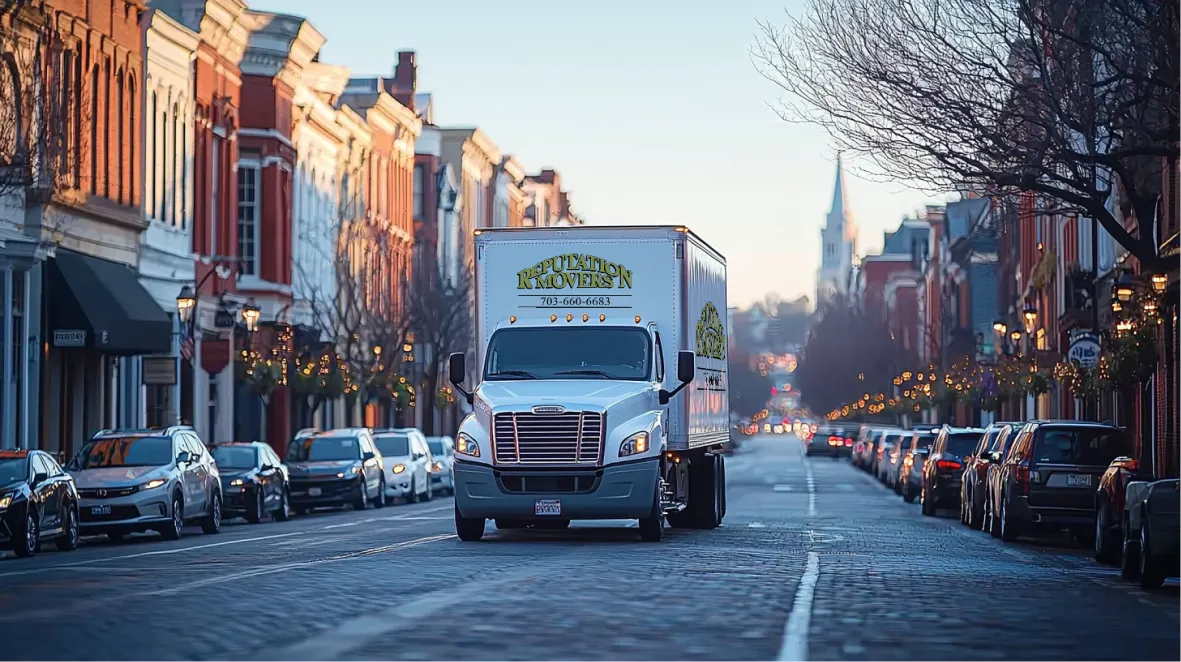
Here in Alexandria, VA, Reputation Movers are known for dependable local and long distance moving. If you need clarification on anything in this guide, please get in touch.
Preparation: The Foundation of a Safe Heavy Furniture Move
Before you lift a single item, thorough preparation is crucial. Start by mapping out the entire route from the current location to the moving truck or new room. Measure all doorways, hallways, staircases, and ceiling heights, comparing them to your furniture’s dimensions. Standard doorways are about 32 inches wide, but older homes may have narrower passages, sometimes requiring door removal for extra clearance.
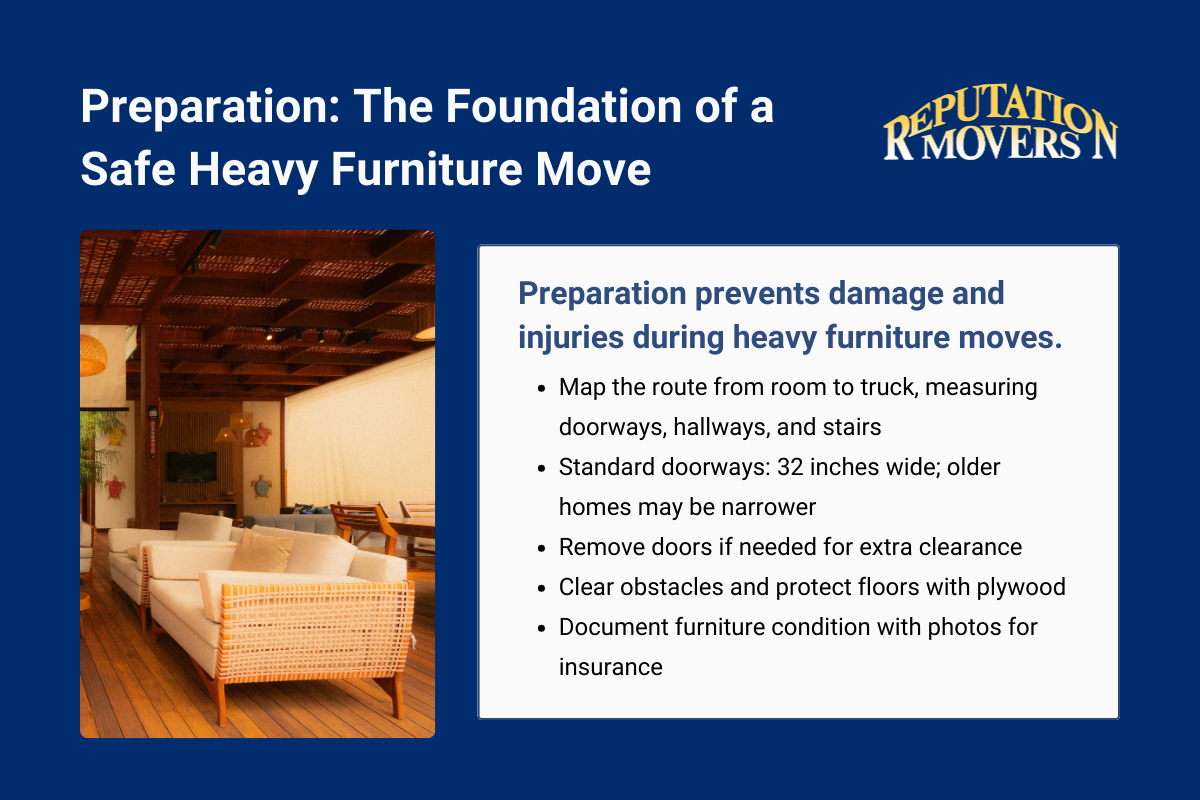
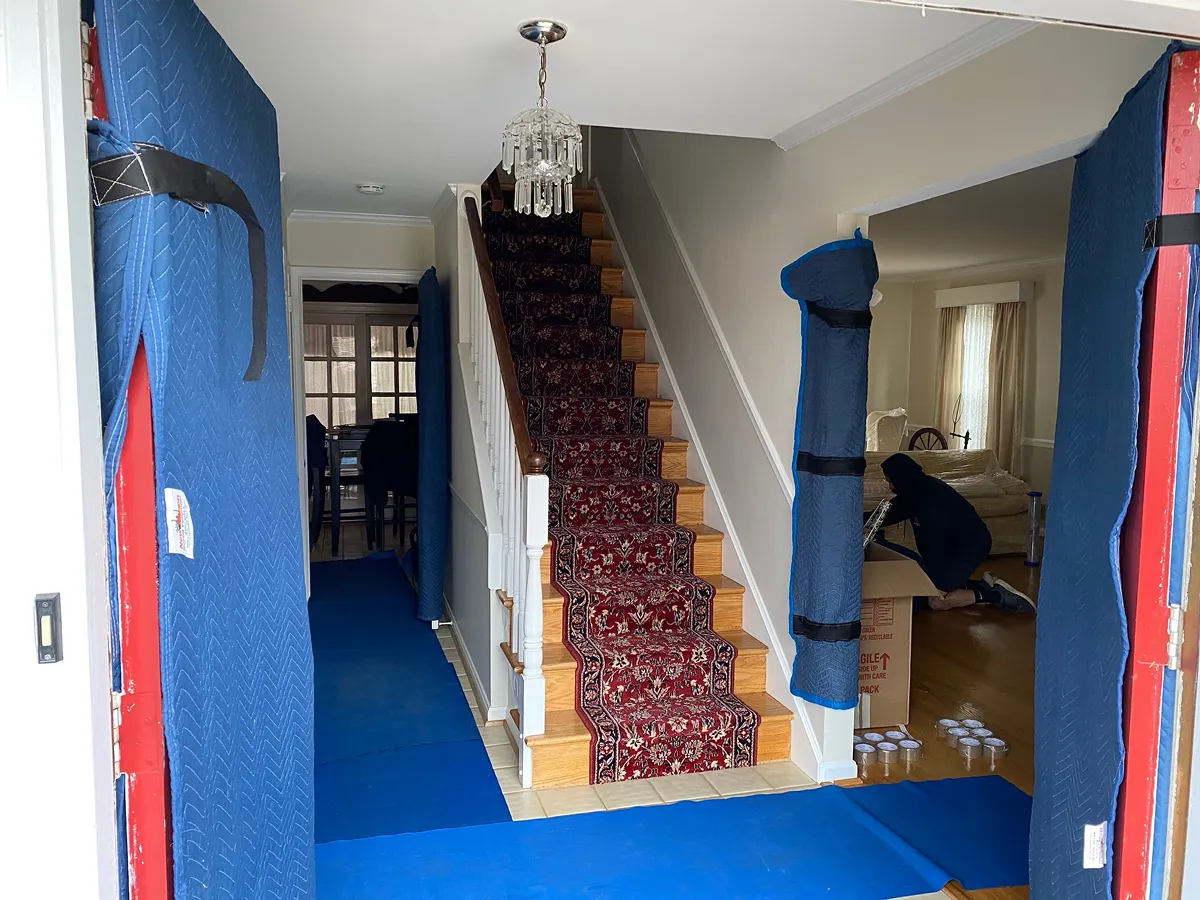
Clear all obstacles—rugs, toys, artwork—and protect your floors with plywood sheets or hardboard. This distributes weight and prevents scratches or cracks on hardwood, tile, or carpet. Document the pre-move condition of your furniture with photos for insurance purposes, and empty items like safes or dressers to reduce weight and risk.
Essential Equipment Checklist
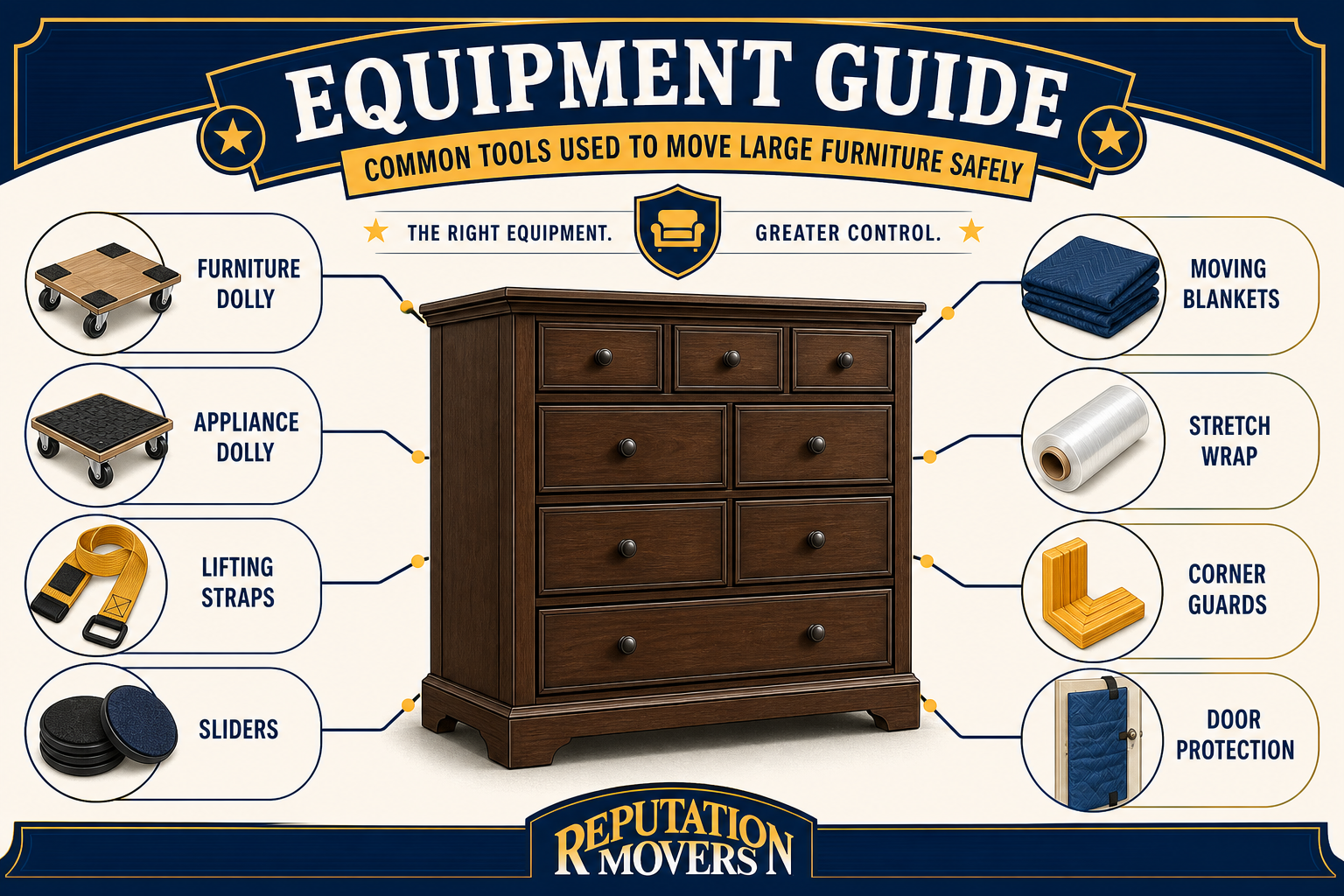
Having the right tools makes all the difference. Equip yourself with:
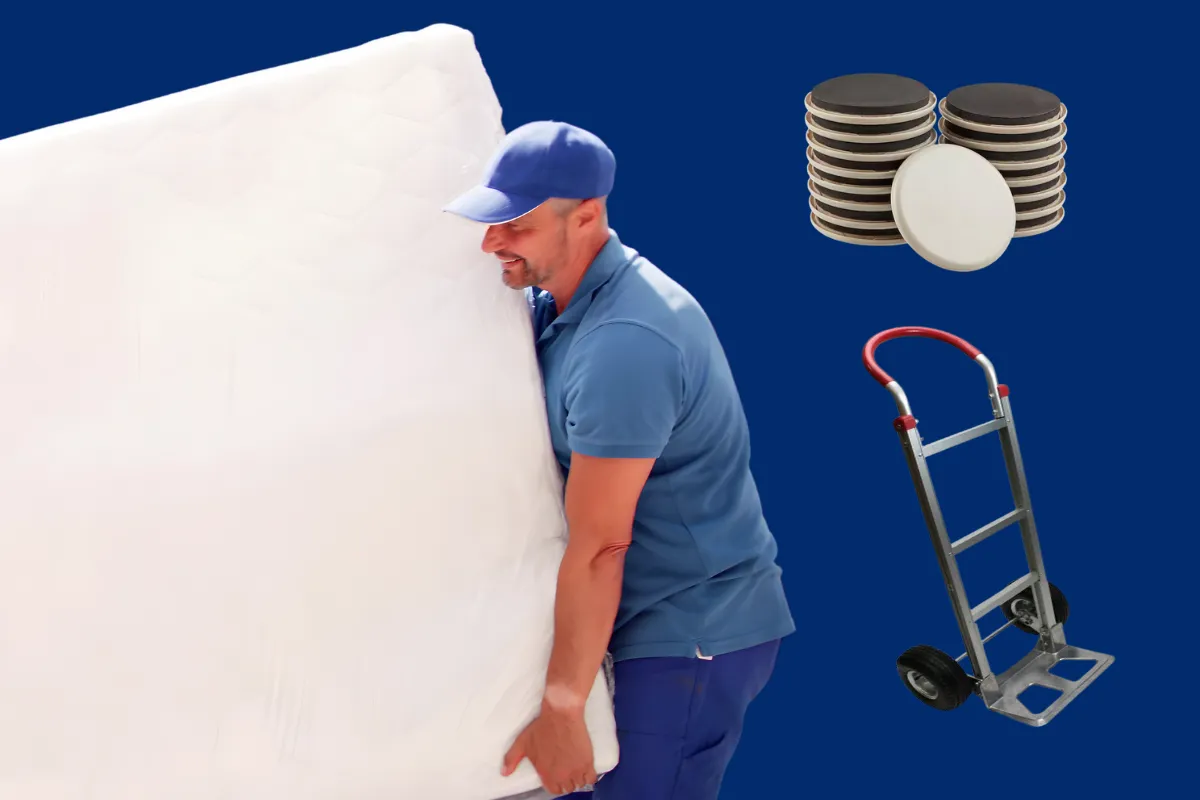
Heavy-duty dollies rated for 800+ pounds
Furniture sliders for smooth movement across floors
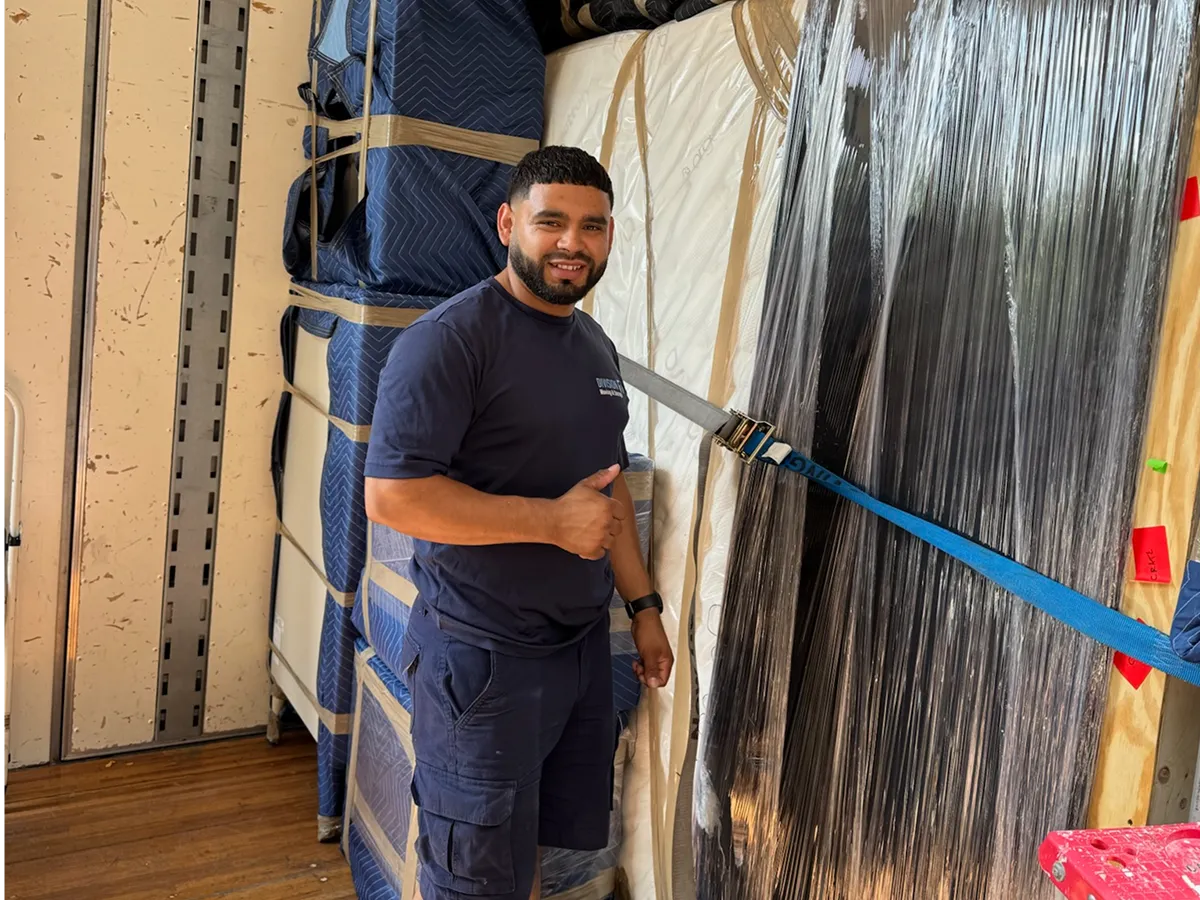
Ratchet straps (1,000+ pound capacity) for securing items
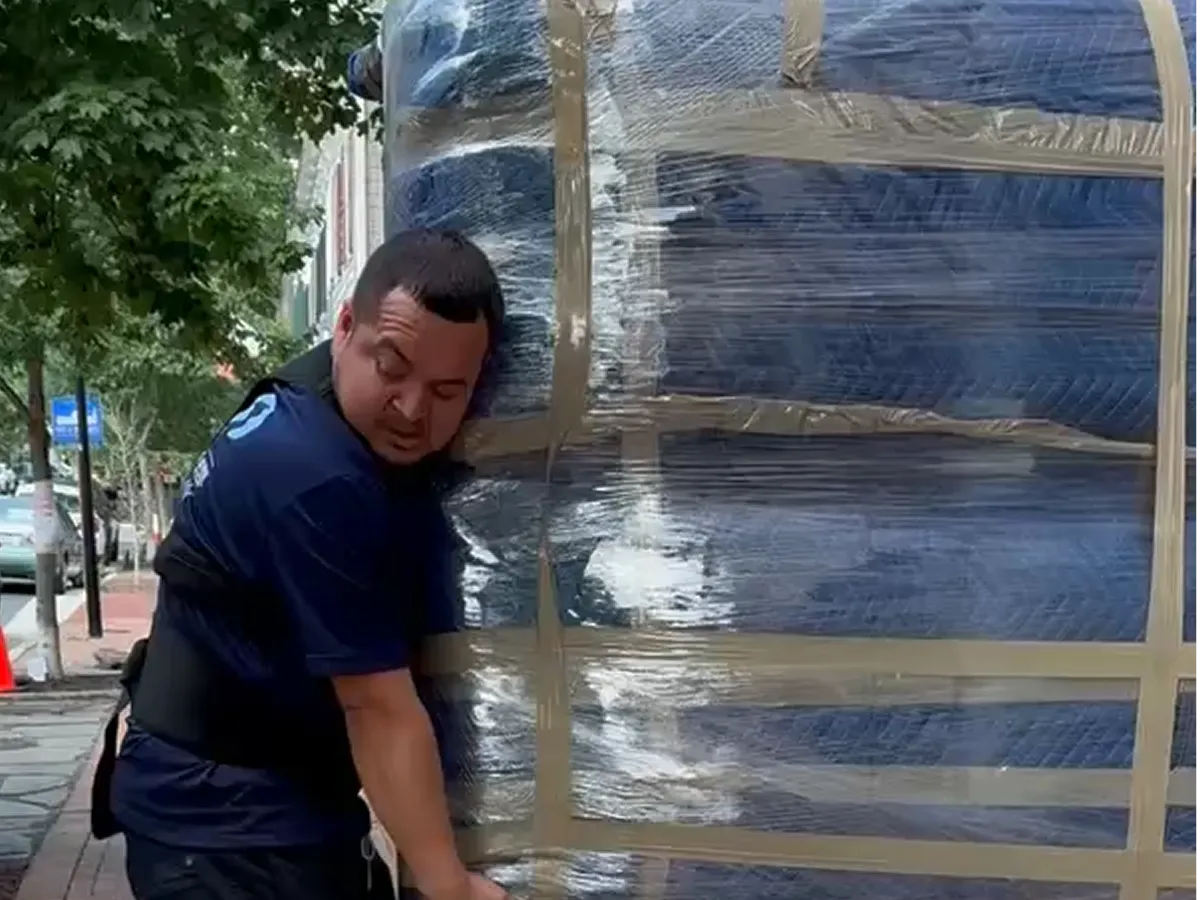
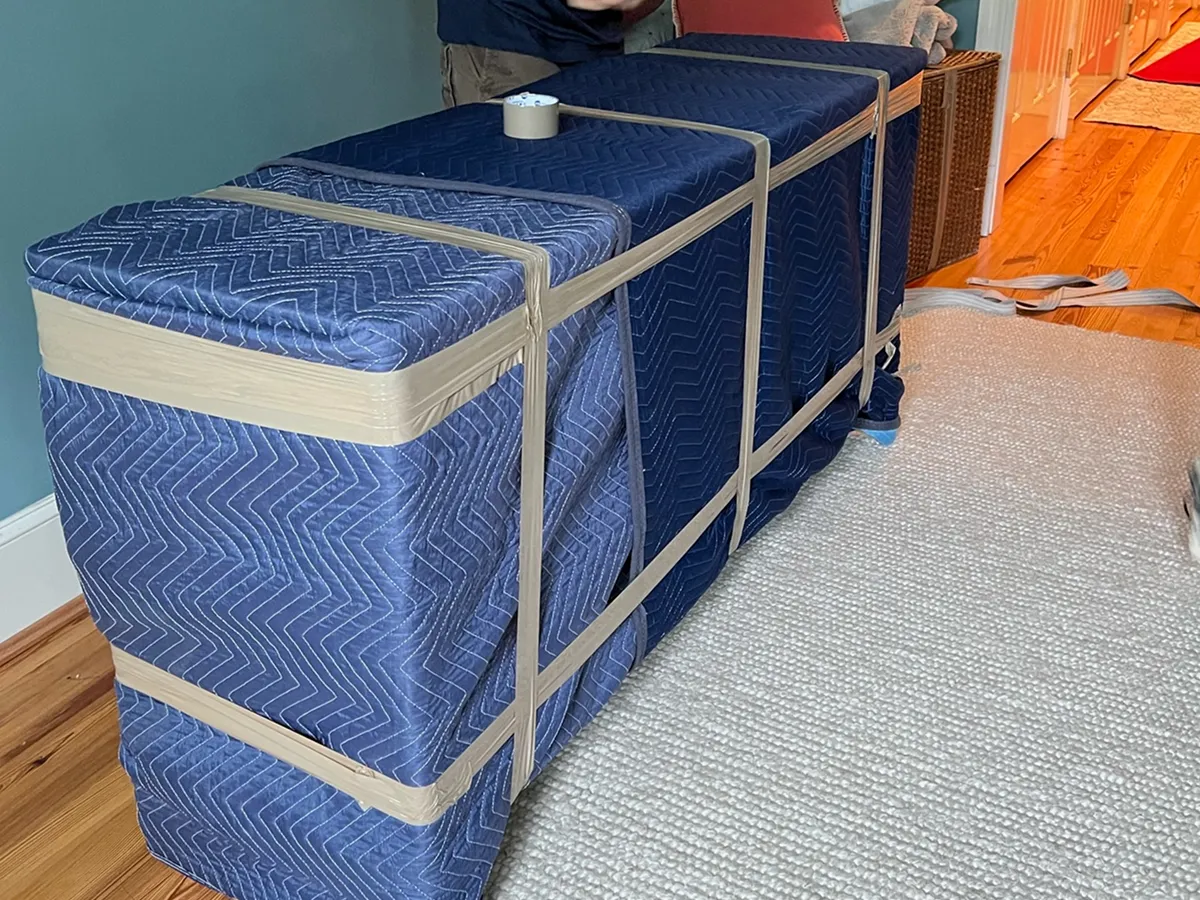
Moving blankets and plastic wrap for protection
Work gloves for grip and safety
Basic tools for disassembly (screwdrivers, wrenches)
Assemble a team of at least four strong adults, designating one person as the “caller” to coordinate commands like “lift,” “hold,” or “down.” Proper lifting technique—bending knees, keeping your back straight, and lifting with your legs—prevents back injuries, which are common in DIY moves gone wrong.
Moving Couches: Disassembly and Maneuvering
Couches, weighing between 150 and 300 pounds, are often the largest items in a living room. Begin by measuring the width (arm-to-arm), height, and depth of the couch, as well as all passageways. Remove legs, cushions, and any recliner mechanisms to reduce size and weight. Wrap the couch in moving blankets and plastic wrap to protect upholstery and prevent dings.
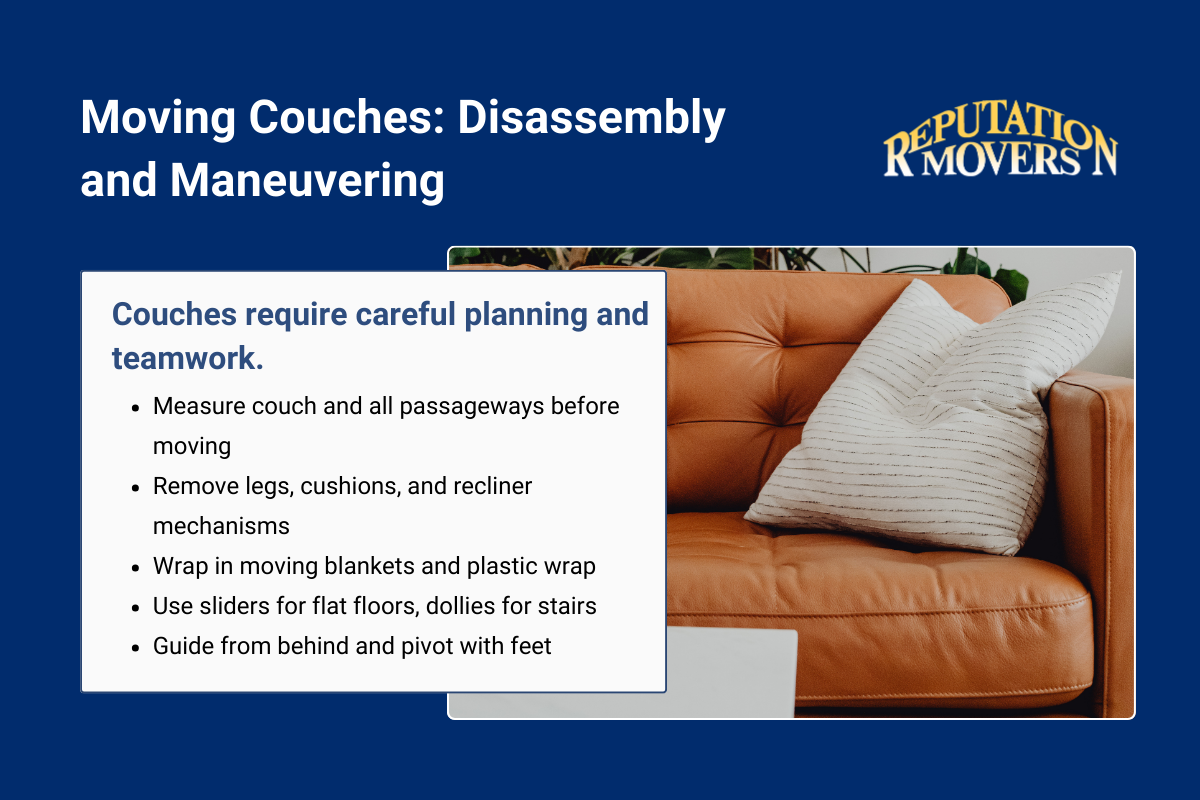
For tight spaces, position the couch vertically if it’s taller than it is wide, or tilt it sideways using the shallower back. In narrow hallways, form an L-shape by standing one end and sliding the base first. Use sliders for flat floors and dollies for stairs. Team coordination is vital—one person should guide from behind while others support the sides, pivoting feet instead of twisting torsos.
Common Pitfalls to Avoid
Skipping measurements, leading to stuck furniture or wall damage
Rushing around corners, causing dings or scratches
Using tape directly on upholstery, which can leave residue or cause tears
Piano Relocation: Precision and Teamwork
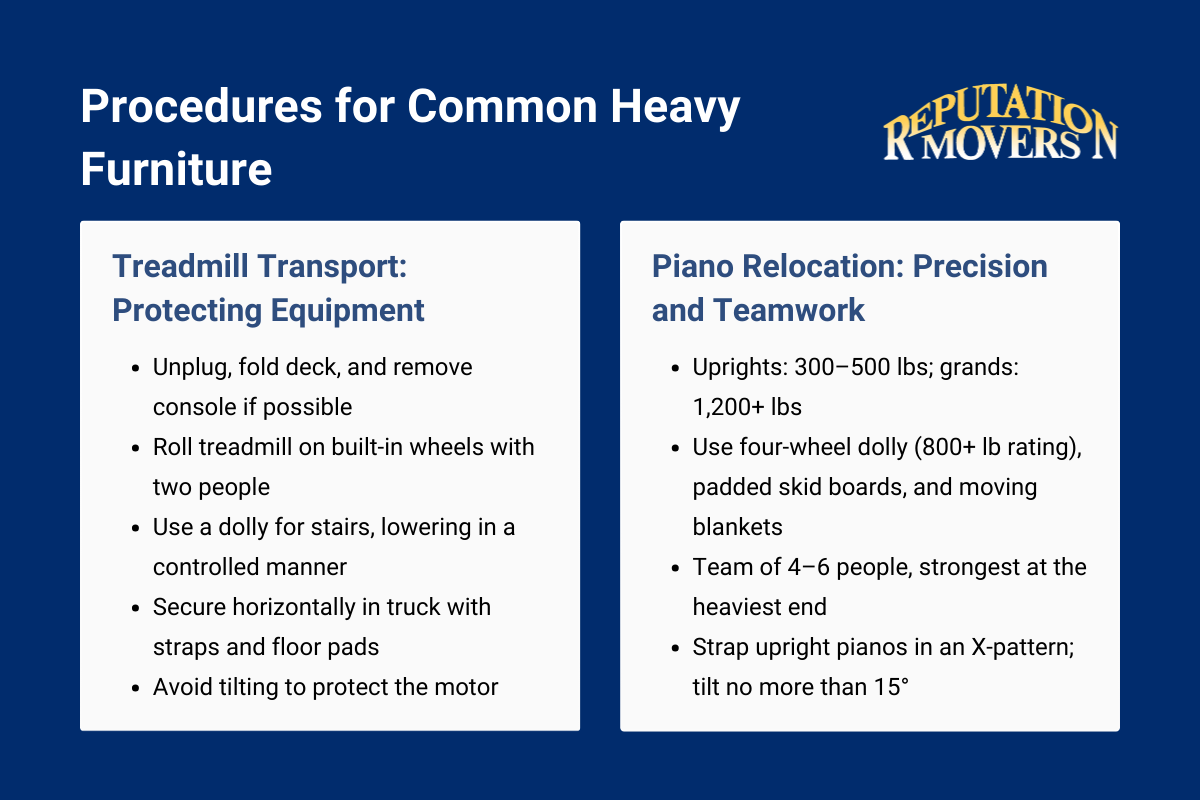
Pianos are among the most challenging items to move, with uprights weighing 300-500 pounds and grand pianos exceeding 1,200 pounds. Their delicate internal mechanisms and high value demand careful handling. Always use a four-wheel dolly rated for at least 800 pounds, padded skid boards, and multiple moving blankets. Assemble a team of 4-6 people, with the strongest at the heaviest end (keyboard side for uprights).
For upright pianos, slide the dolly under the center of gravity (about one-third from the keyboard), strap the piano in an X-pattern, and tilt it no more than 15 degrees. Never use the built-in casters for moving long distances—they’re only for minor shifts and can gouge floors. For grand pianos, remove the lyre and legs, support the body with at least three people, and lay it on a padded skid board with the keyboard facing up. Secure with multiple straps and avoid stairs unless you have professional stair-climbing equipment.
After moving, allow the piano to acclimate to the new environment for 2-4 weeks before tuning, as rapid humidity changes can cause warping.
Safely Moving Heavy Safes
Gun safes and similar items can weigh anywhere from 500 to 1,500 pounds, making them extremely tip-prone and difficult to maneuver. Always empty the safe completely before moving. Use an appliance dolly with industrial ratchet straps placed high and low to prevent sliding or wobbling. Center the weight evenly on the dolly wheels, and use sliders or plywood on tile floors to avoid cracks.
Approach doorways gradually, tilting the dolly back slightly for clearance and angling for tight turns. For loading, use a truck with a liftgate or a sturdy ramp, and communicate constantly with your team to avoid slips or sudden shifts. Secure the safe in the truck with multiple straps to prevent movement during transit.
Treadmill Transport: Protecting Equipment and Floors
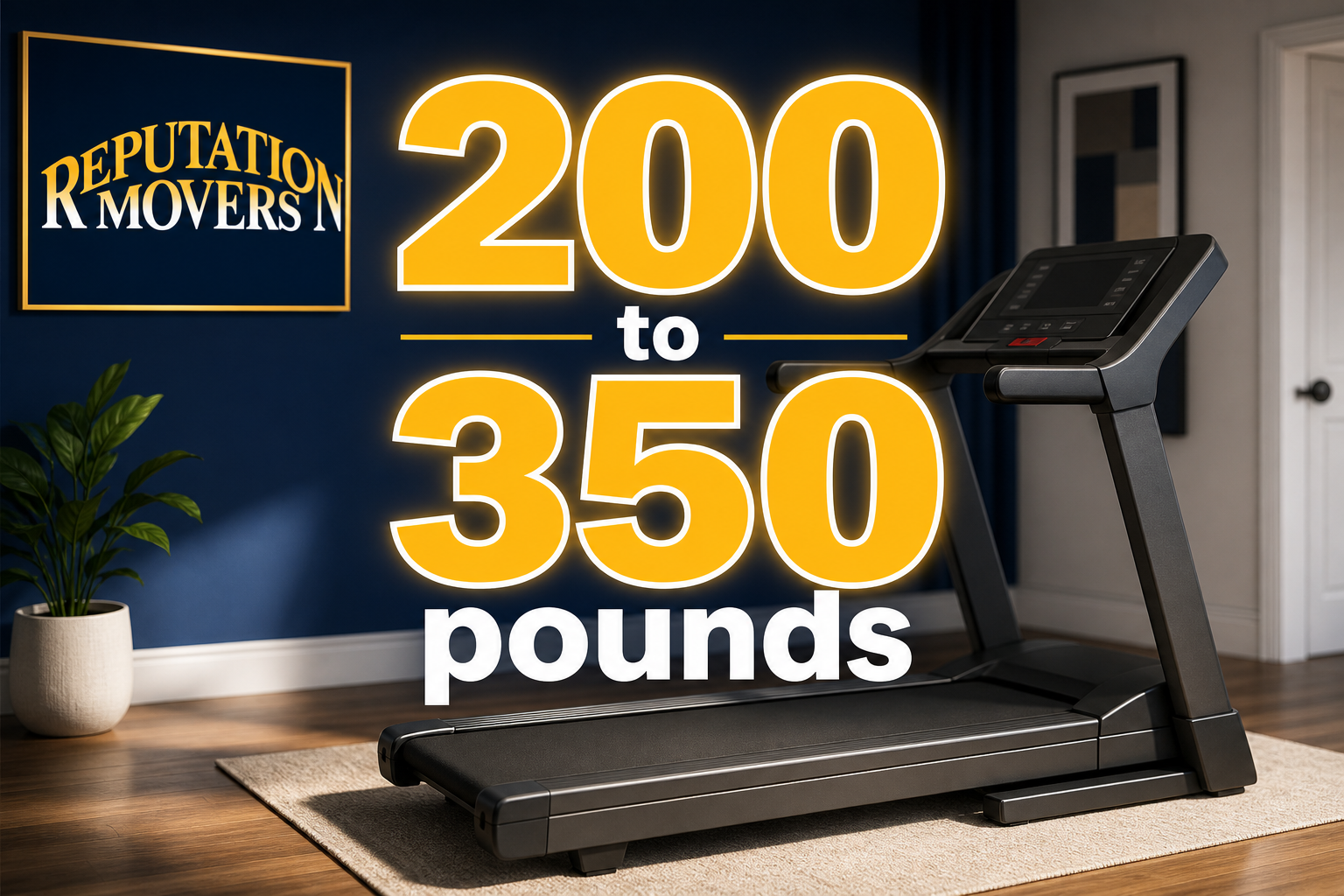
Treadmills, typically weighing 200-400 pounds, concentrate most of their weight in the front motor. Begin by unplugging the cord, folding the deck if possible, and removing the console for protection. With two people, grip the upright bars and belt ends, rolling the treadmill on its built-in wheels to the truck. For stairs, tip the treadmill back and use a dolly if needed, lowering it in a controlled manner.
In the truck, secure the treadmill horizontally with straps at the front, back, and sides, and use pads on the floor to prevent sliding. Avoid tilting the treadmill during transport, as this can stress the motor. After the move, reassemble and test the treadmill before use.
DIY vs. Professional Movers: Weighing the Risks and Rewards
While a DIY approach can save $200-600, it comes with significant risks. Improper handling of heavy furniture can result in injuries, floor damage, or costly repairs—moving a piano incorrectly, for example, can lead to $1,000+ in soundboard repairs. Professional movers bring experience, specialized equipment, and insurance coverage, making them the safer choice for stairs, antiques, or especially valuable items.
For those seeking a middle ground, hybrid labor-only services can handle the heaviest items while you manage the rest, offering a balance of affordability and safety.
Injury Prevention: Myths and Best Practices
One common myth is that “two strong people are enough” for heavy moves. In reality, a minimum of four adults is recommended for large items. Always lift with your legs, not your back, and use sliders instead of dragging furniture. Take frequent breaks to avoid fatigue, which can compromise precision and safety.
Wear personal protective equipment (PPE) like gloves to prevent hand and back injuries
Disassemble furniture whenever possible to lighten the load
Keep heavy items close to your body for better control
Pivot with your feet rather than twisting your torso
Use slow, small steps to maintain balance and control
Protecting Your Home: Floors, Walls, and Doorways
Heavy furniture can easily damage floors, walls, and doorways if not handled with care. Use furniture sliders to move items across hardwood or tile without scratching. Lay down plywood or hardboard sheets to distribute weight and prevent cracks, especially for safes and pianos. Wrap corners with foam or blankets to guard against accidental bumps.
When navigating stairs, ensure ceiling clearance and move slowly to avoid drops that can crack frames or floors. Always communicate with your team, using clear commands and maintaining visual contact whenever possible.
After the Move: Reassembly and Acclimation
Once your heavy furniture is in its new location, remove protective coverings and reassemble any disassembled parts. For pianos and wooden furniture, allow time to acclimate to the new environment—ideally 40-45% humidity—before heavy use. This prevents warping and ensures long-term durability.
Why Homeowners in Alexandria, VA Trust Reputation Movers for Heavy Furniture Moves
Moving heavy furniture is a complex, high-stakes task that demands expertise, teamwork, and the right equipment. Reputation Movers offers:
Experienced crews trained in safe handling of pianos, safes, treadmills, and more
Specialized equipment including dollies, sliders, and protective materials
Comprehensive insurance coverage for peace of mind
Flexible scheduling and transparent pricing
Local knowledge of Alexandria, VA homes and neighborhoods
Don’t risk injury or property damage—let our professionals handle your heaviest, most valuable items with care. To discuss your upcoming move or request a quote, contact Reputation Movers today.
















.webp)

.webp)
.webp)
.webp)

.webp)
.webp)







.webp)
.webp)


.png)