.webp)
.svg)
Packing clothes for a move is often underestimated in its complexity. For many, it’s not just about getting garments from point A to point B, it’s about protecting investments, staying organized, and making the unpacking process as smooth as possible. Whether you’re relocating across Alexandria, VA, or embarking on a long-distance move, the right approach to packing your wardrobe can save time, money, and frustration. This guide delivers actionable strategies, professional tips, and practical solutions to help you pack clothes efficiently, protect your garments, and start fresh in your new home.
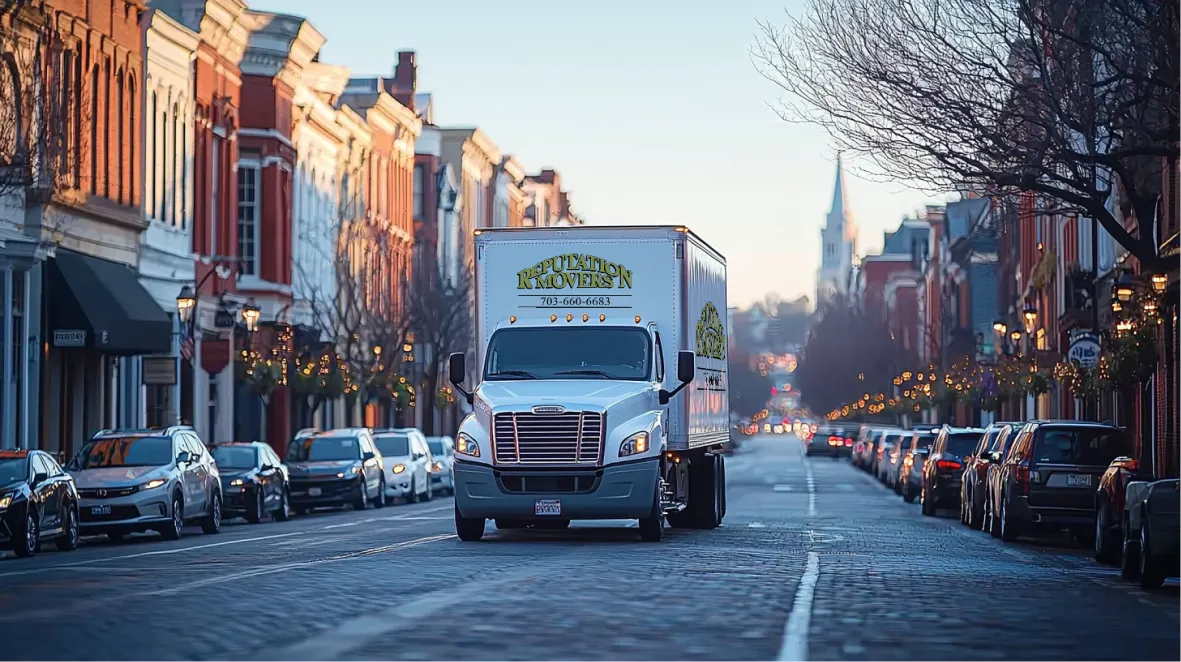
Serving Alexandria, VA, Reputation Movers combine local expertise with long distance moving experience. If you have any questions at any point in this guide, do not hesitate to contact Reputation Movers.
Decluttering: The Essential First Step Before Packing Clothes
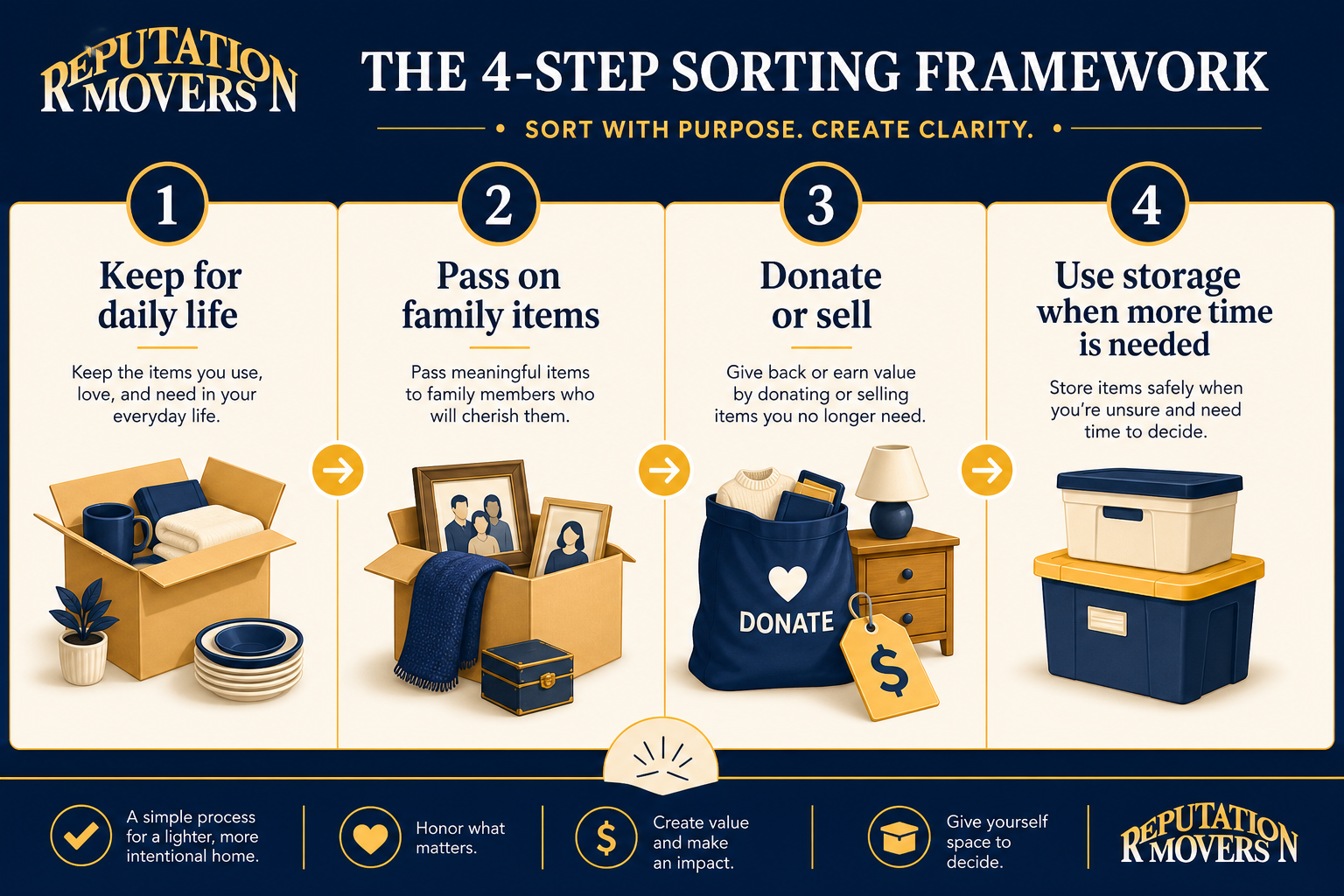
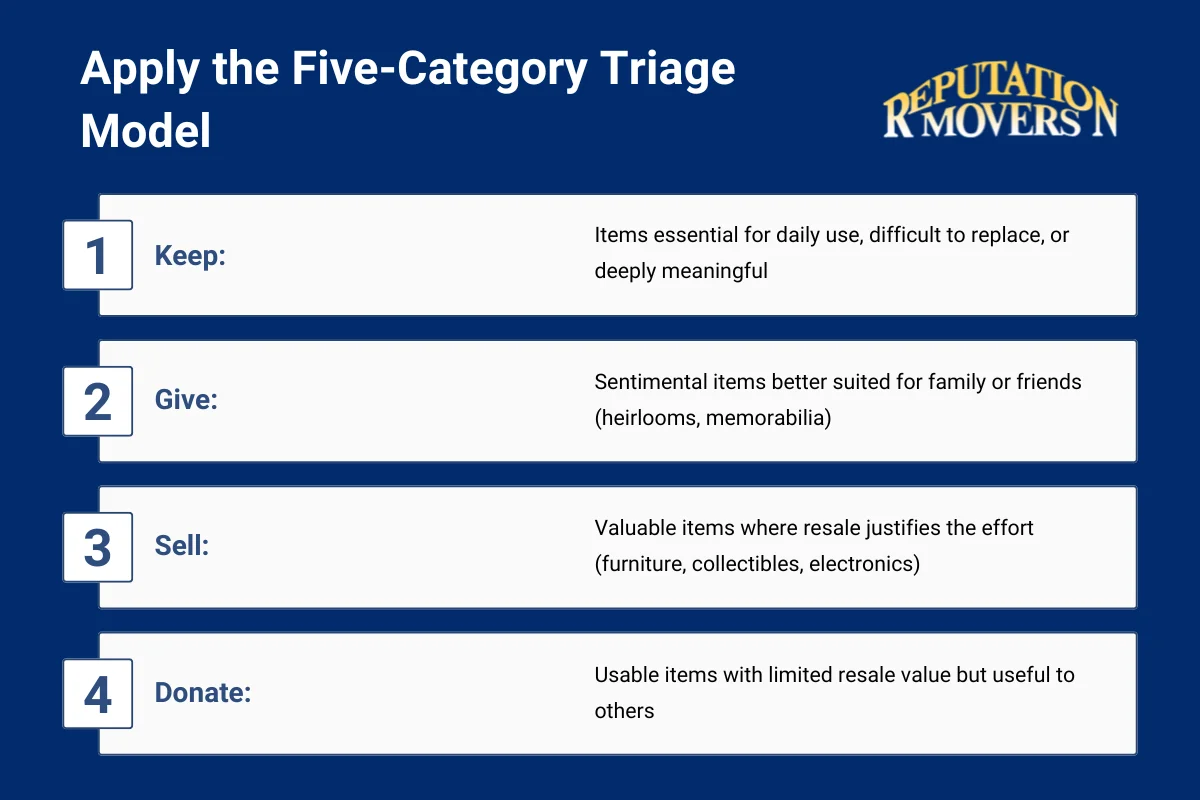
Before you even reach for a box or bag, take the time to declutter your wardrobe. This step is crucial for reducing moving costs, streamlining your packing process, and ensuring your new closet only contains items you truly want and need. Decluttering is more than just tossing out old t-shirts, it’s a strategic audit of your entire wardrobe.
.webp)
How to Decide What to Keep, Donate, or Discard
Ask yourself these questions for every item:
- Have I worn this in the last year?
- Does it fit my current lifestyle and body?
- Is it worth the cost and effort to move this item?
- Will I need this in the climate I’m moving to?
This process not only reduces the volume of items to pack but also helps you avoid the regret of moving unnecessary clothing. For example, one client moved from New York to Phoenix with several heavy coats, only to donate them after realizing they were no longer needed in a warmer climate.
Donation and Responsible Disposal
Donating gently used clothing benefits both your move and your community. Organizations like Goodwill and the Salvation Army accept clothing donations and use proceeds to fund vital community services. For items that are not suitable for donation, research local textile recycling options or use services like Trashie or Retold Recycling for responsible disposal.
Sorting and Organizing: The Foundation of Efficient Packing
.webp)
Once you’ve decluttered, sorting your clothes is the next critical step. This organization makes packing more efficient and unpacking far less stressful. There are several effective ways to sort your wardrobe:
- By storage type: Separate hanging clothes from folded items for better protection and space use.
- By season: Box up off-season items first, as you won’t need them immediately.
- By family member or room: Essential for multi-person households to keep everyone’s items organized.
- By function: Group casual, formal, workwear, gym, and sleepwear for easy access later.
This level of organization allows you to select the best packing method for each category and ensures that boxes can be placed directly in the correct rooms at your new home.
Choosing the Right Packing Method: Hang, Fold, or Roll?
The way you pack your clothes depends on their type and your priorities for protection, space, and convenience. Each method has its own advantages and best-use scenarios.
Wardrobe Boxes: The Gold Standard for Hanging Clothes
Wardrobe boxes are tall, sturdy containers with built-in hanging rods. They allow you to move clothes directly on their hangers, keeping items like suits, dresses, and coats wrinkle-free and upright. This is the professional’s choice for protecting structured garments and minimizing post-move ironing. Some moving companies offer reusable wardrobe box rentals, which are picked up after your move for a sustainable, clutter-free solution.
DIY Alternatives for Hanging Clothes
If you’re looking for a budget-friendly option, the heavy-duty garbage bag method is a practical alternative. Group 10–15 hanging garments, slide a bag up from the bottom, and secure it around the hanger necks. Poke the hooks through the top and tie with a twist tie or rubber band. This method is best for short moves and everyday items, but offers less protection than wardrobe boxes.
Folding and Rolling: Best Practices for Folded Clothes
Structured pieces like jeans, sweaters, and button-downs should be folded flat and stacked neatly. For casual items such as t-shirts, leggings, and cotton basics, rolling is ideal. Rolling saves space, reduces wrinkles, and allows you to see everything at a glance. When packing boxes, place heavier items at the bottom and lighter ones on top. Use rolled items to fill gaps along the sides, ensuring the box is full but not overstuffed.
Box Selection and Packing Techniques for Maximum Protection
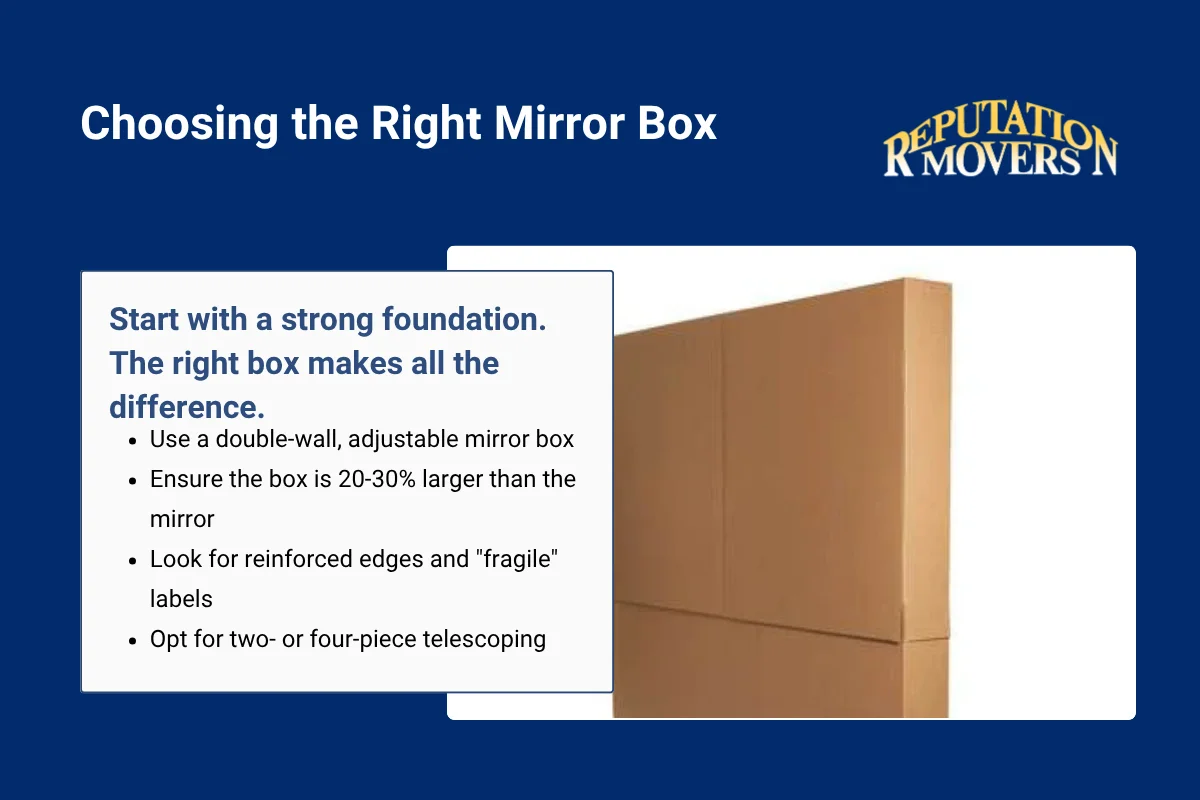
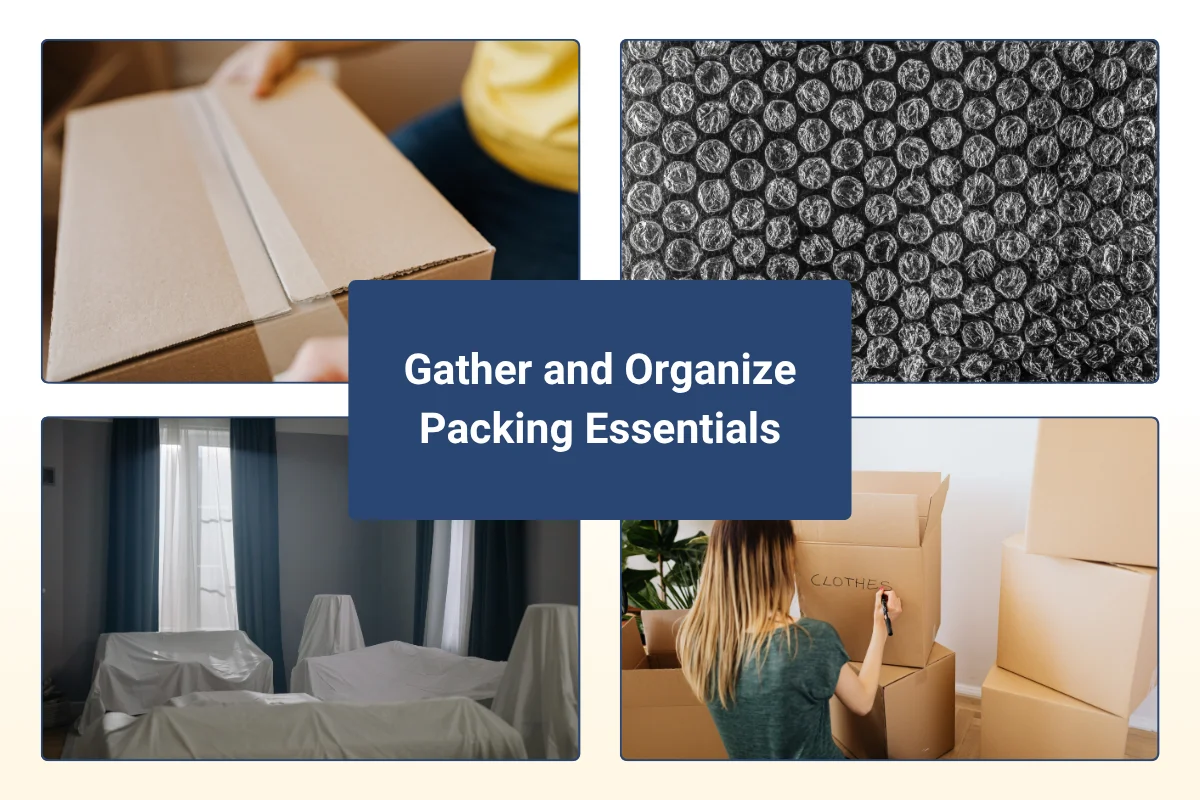
The right box size and packing technique are essential for both garment protection and moving safety. Small to medium-sized boxes are preferable, as large boxes can become too heavy and risk collapsing or crushing contents. Fill boxes efficiently, but leave a little wiggle room to prevent crushing clothes. Lining boxes with plastic bags or clean paper can protect against dust and moisture, especially for long-distance moves.
.webp)
Vacuum-Sealed Bags for Bulky Items
Vacuum-sealed bags are perfect for compressing bulky items like winter coats, hoodies, and bedding. They save space and protect against moisture and dust. However, only use them for clean, dry items and label them clearly, as the sealed environment is not breathable. This method is ideal for off-season clothing that won’t be needed immediately.
Special Considerations: Shoes, Accessories, and High-Value Items
Shoes, accessories, and valuables require special attention during packing. Each shoe pair should be wrapped individually to prevent scuffs, with heavier shoes at the bottom of bins. Stuff shoes with socks or paper to help them retain their shape. Accessories like belts, scarves, and hats should be organized in small bags or pouches. Jewelry and watches need padded containers or their original boxes, and should be transported personally rather than in the moving truck to avoid loss or damage.
Labeling and Organization: Streamlining Unpacking
Clear labeling is key to an efficient unpacking process. Every box or bin should be labeled with the destination room, a description of contents, and any priority notes. Color-coded labels or reusable bins with built-in labeling areas can further streamline this process. Grouping clothing by room or family member prevents mix-ups and saves time when settling into your new home.
.webp)
Essentials Suitcase: Your First-Night Lifesaver
Pack a separate suitcase or duffel bag with a few days’ worth of clothing, sleepwear, undergarments, work or school outfits, toiletries, medications, chargers, and comfort items. Keep this bag with you during the move, not in the moving truck, to ensure immediate access to necessities without digging through boxes late at night.
Preparing Clothes for Packing: Cleanliness and Protection
Always launder clothing before packing. Sealed containers can trap odors or allow stains to set during transit, especially on long-distance moves. Clean clothes ensure you arrive at your new home with a fresh, ready-to-wear wardrobe. Delicate or high-value pieces benefit from garment bags or custom packing plans, and vintage or sentimental items may require professional garment care.
Professional Packing Services: When to Call in the Experts
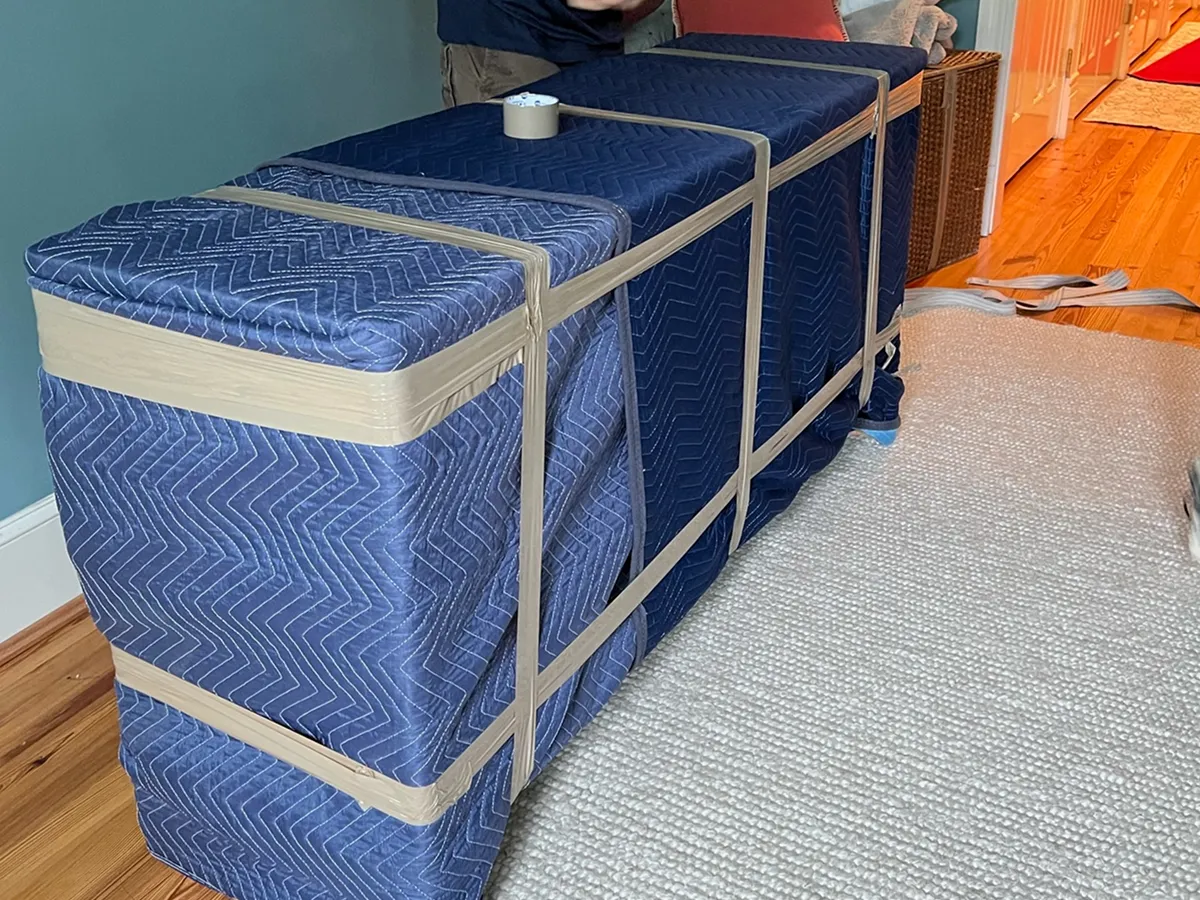
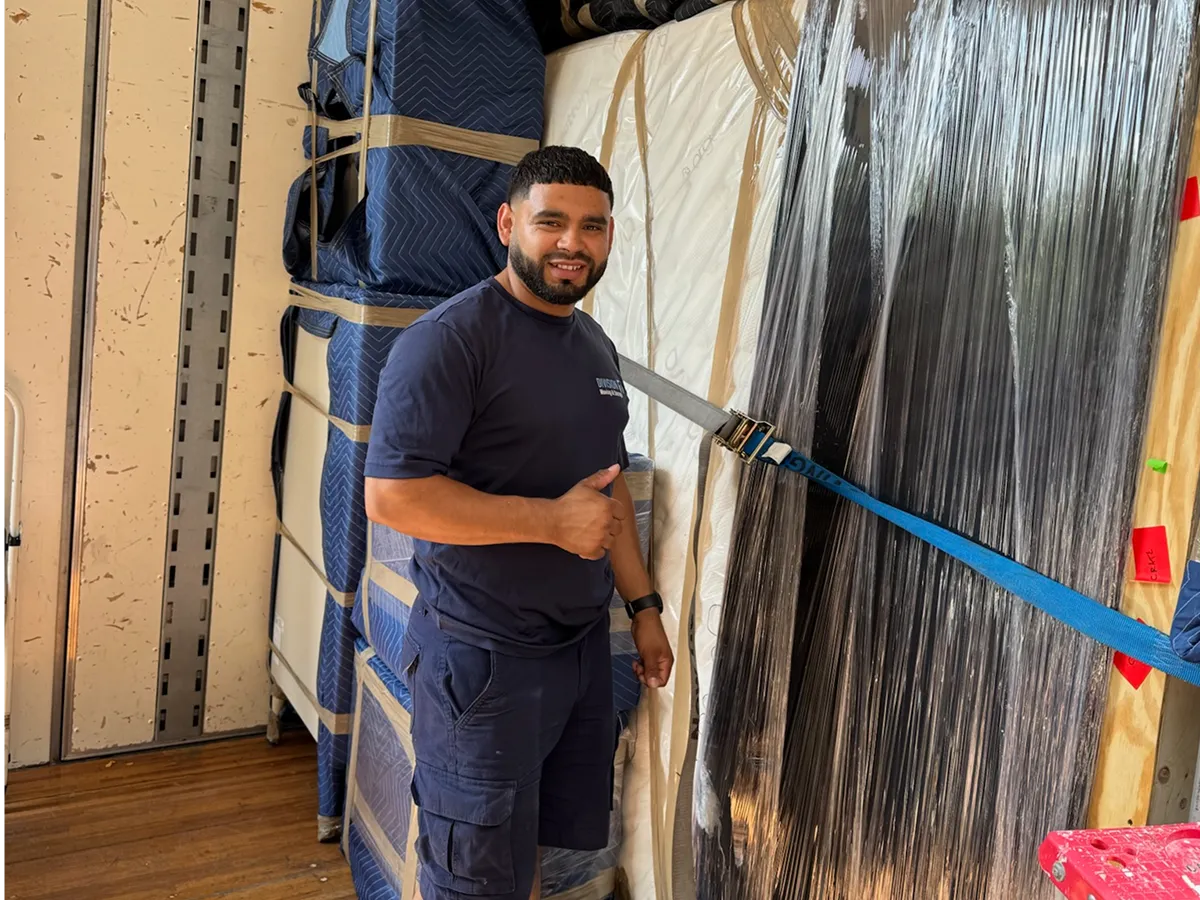
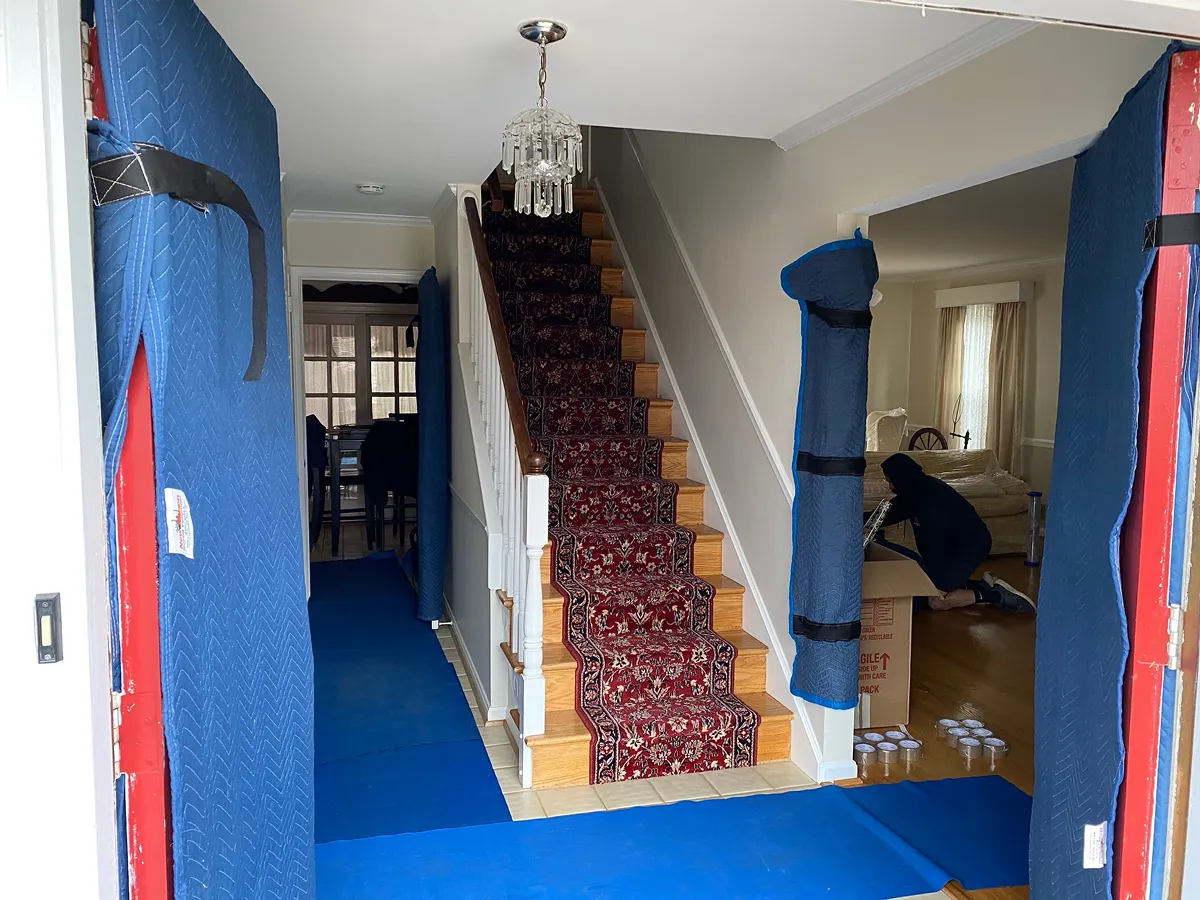
For those seeking a truly stress-free experience, professional packing services offer significant advantages. Movers are trained to pack clothing safely and efficiently, often using quilt-wrapped blankets and reusable wardrobe boxes for maximum protection. Many companies offer full-service packing, handling everything from sorting and folding to garment protection, so you can focus on other aspects of your move.
Storage and Seasonal Strategy: Planning for the Future
Think strategically about off-season and rarely used clothing. Box these items separately and label them clearly, keeping them accessible for future seasonal switches. This approach prevents the need to unpack and repack your entire wardrobe when the weather changes. Consider climate differences at your new location and adjust your packing accordingly.
Final Tips for a Smooth Wardrobe Move
To recap, successful clothing packing for a move involves:
- Decluttering and donating unwanted items to reduce volume and support your community.
- Sorting clothes by type, season, family member, or function for efficient packing and unpacking.
- Using wardrobe boxes for hanging clothes and rolling or folding for folded items.
- Choosing the right box sizes and packing techniques to protect garments and ensure safety.
- Labeling every box clearly and packing an essentials suitcase for immediate needs.
- Considering professional packing services for maximum protection and convenience.
By following these steps, you’ll ensure your wardrobe arrives at your new home organized, protected, and ready to support your fresh start.
.webp)
Why Choose Reputation Movers for Your Next Move?
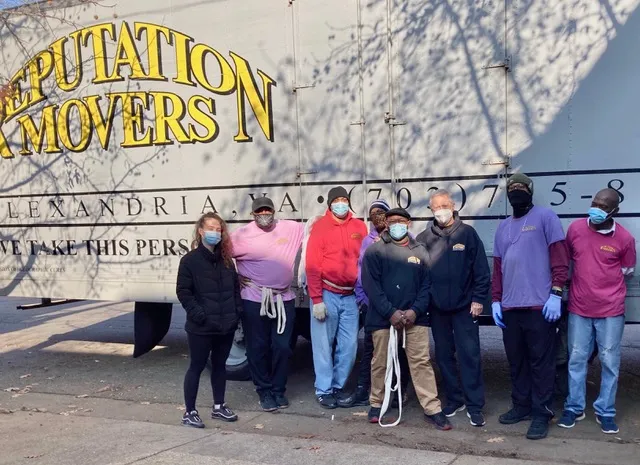
Packing clothes for a move doesn’t have to be overwhelming. With the right strategy and support, you can protect your wardrobe, save time, and reduce stress. Reputation Movers offers professional packing services, reusable wardrobe boxes, and expert guidance to make your move seamless. Our team is dedicated to careful handling, efficient organization, and personalized service, whether you’re moving locally in Alexandria, VA, or across the country. For a smooth, organized, and worry-free move, contact Reputation Movers today and let us help you transition to your new home with confidence.










.webp)
.webp)
.webp)
.webp)
.webp)








.webp)
.webp)


.png)